

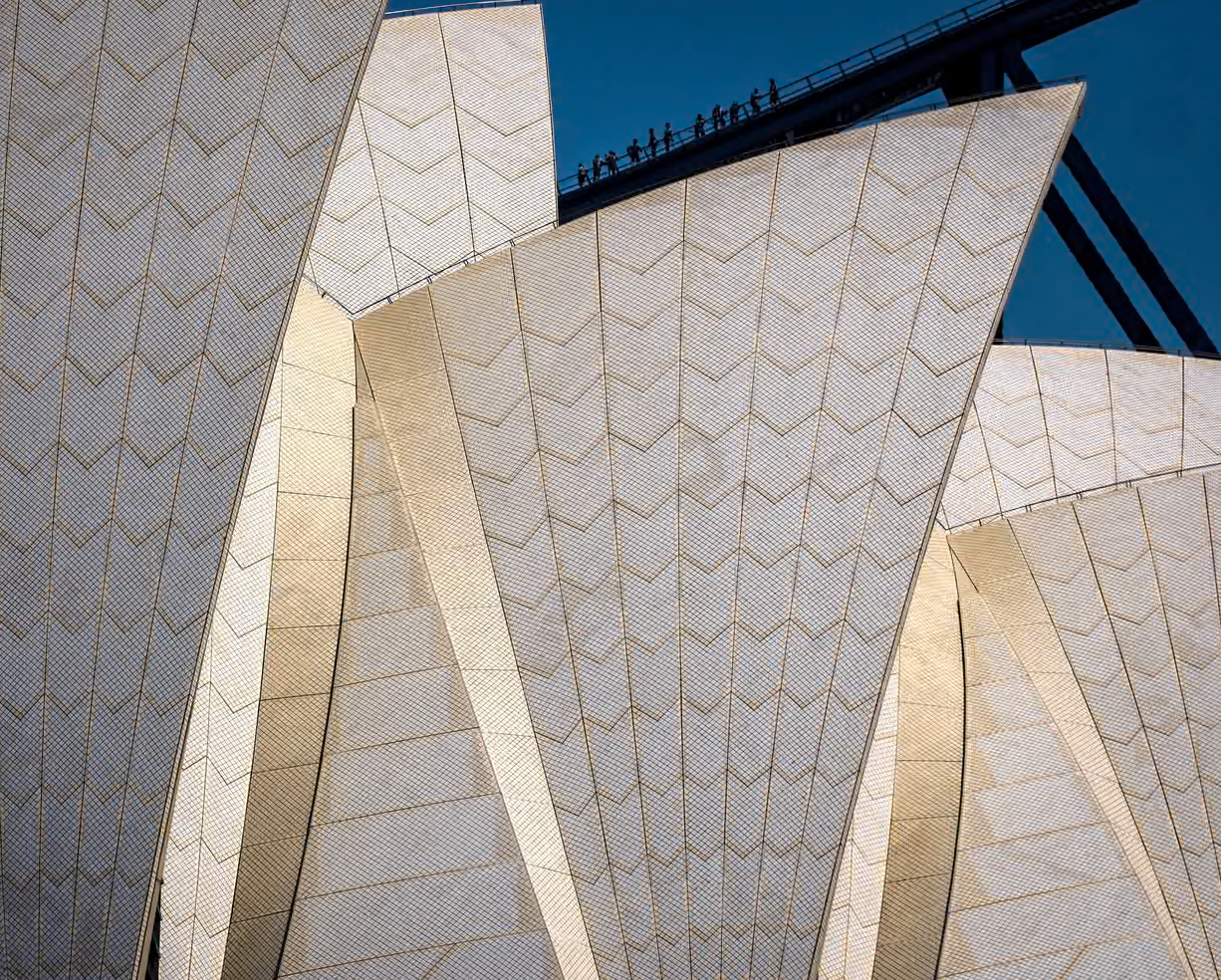
A teenager who admitted preparing for a terrorist act in Sydney has told a court he was radicalised online and used ChatGPT while researching a potential attack involving the Sydney Opera House.
The 16-year-old, identified in court by the pseudonym RK because of his age, pleaded guilty to acts in preparation for, or planning, a terrorist act. In a sentencing decision on Monday, the NSW Supreme Court imposed a three-year community corrections order, meaning he will not serve a jail sentence.
RK was 14 when the offending occurred in 2024. He told the court he was first exposed to extremist material on TikTok, initially watching historical videos before moving towards increasingly violent content.
Justice Stephen Campbell said the teenager had progressed from videos about the Crusades and the September 11 attacks to religious-themed material that led him to more violent content. He then began discussing those subjects with people online.
RK told the court he wanted to impress those people and became fixated on the Sydney Opera House as a possible location for an act of violence. He said he had been radicalised and influenced by propaganda.
The court heard that he later used Telegram and YouTube to look for information related to making explosives. However, Justice Campbell said RK had no concrete plan to carry out a terrorist act and had not obtained materials to make a bomb.
The teenager also used ChatGPT to seek information about Dzhokhar Tsarnaev, the surviving perpetrator of the 2013 Boston Marathon bombing, and asked the chatbot whether prisoners could access news. He attempted to contact Tsarnaev by emailing the prison, but never made contact with him.
RK also asked ChatGPT about security arrangements at the Sydney Opera House and other matters connected to the case. The court heard he watched videos about the landmark and researched venues where he believed people he described as “infidels” gathered.
On Telegram, he shared Islamic State videos with other users in an effort to gain their approval, the judge said. OpenAI, Telegram and YouTube were approached for comment, while TikTok declined to comment.
The court heard RK had since expressed remorse and completed six sessions of religious and ethical instruction with a Muslim cleric.
Justice Campbell said he was satisfied the teenager had genuinely rejected violent extremism, describing his earlier involvement as limited and hesitant. The judge accepted that RK had been radicalised to a degree, but said the process of disengagement was well advanced.
The case comes amid concerns from Australian security officials about the challenges of identifying and interrupting online radicalisation among young people.
Claire McGuinness, the Australian Security Intelligence Organisation’s deputy director general for intelligence service delivery, told a parliamentary inquiry last month that radicalisation could begin with seemingly marginal content on mainstream social media platforms.
She said recommendation algorithms could expose young users to increasingly extreme material, with some later moving to platforms such as Discord or Telegram. McGuinness told the inquiry that passive viewing could develop into active research into methods of violence.
The three-year community corrections order was made by the NSW Supreme Court on Monday. The teenager will remain subject to the conditions of that order.