

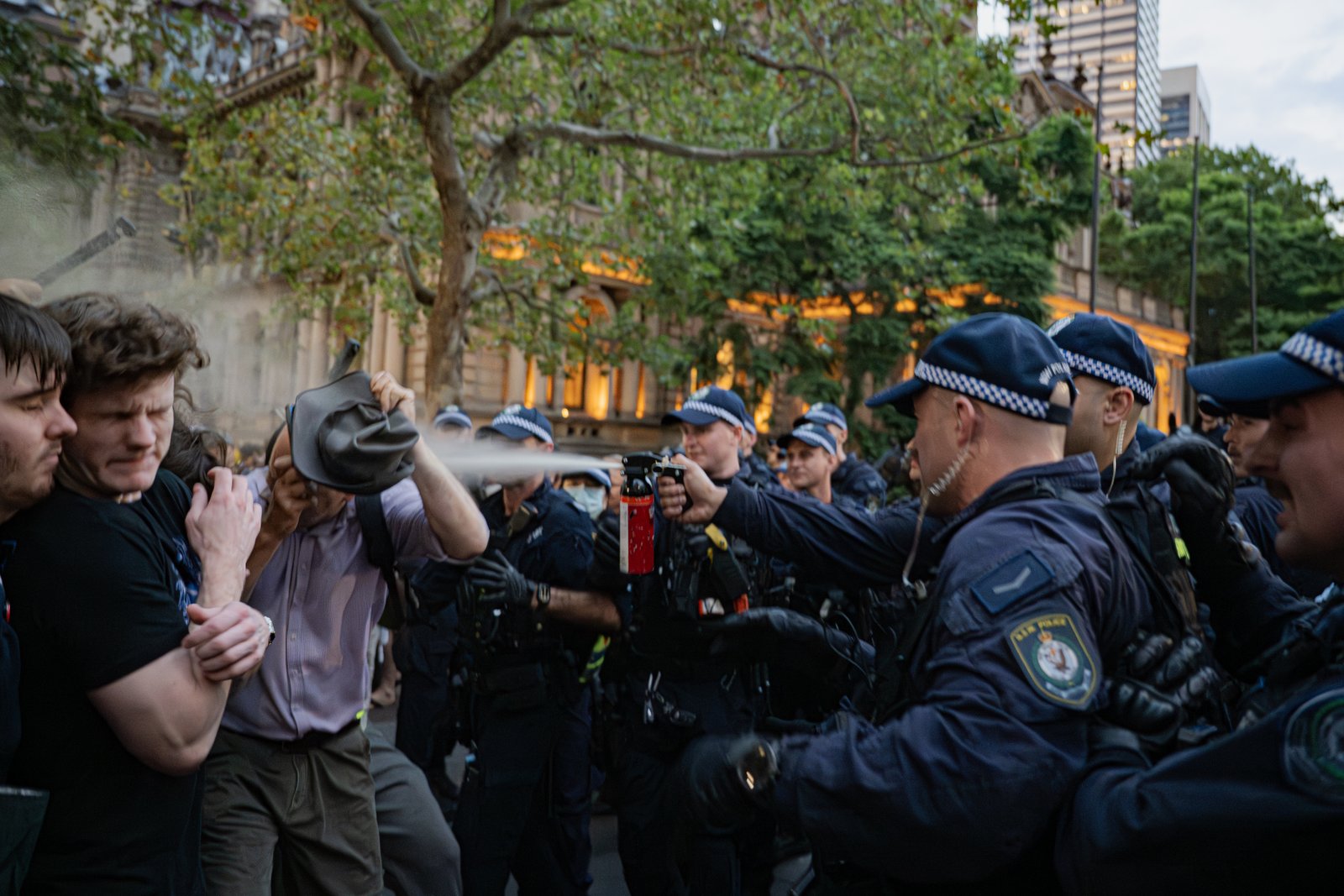
New South Wales Premier Chris Minns and two senior ministers have been subpoenaed to give evidence about the planning of the police operation at a February rally against Israeli President Isaac Herzog’s visit to Sydney.
Minns, Police Minister Yasmin Catley and Tourism Minister Steve Kamper have been served with subpoenas by defence lawyers in the criminal case involving 17 protesters. They are scheduled to appear before the local court in March 2027, the week before the state election.
The protesters face charges including resisting arrest, failing to comply with a police direction and assaulting police. A joint hearing is due to take place in July 2027, while a pre-trial hearing is scheduled for March.
Defence questions government role in police operation
Defence lawyer Nick Hanna said Minns had been subpoenaed because the defence intends to argue that the police operation in February 2026 was unlawful. Hanna said the premier had publicly acknowledged that his government was involved in operational police decisions about the protest.
Hanna said the defence wanted to establish whether police were carrying out government decisions and, if so, what those decisions were, who made them and why.
Catley and Kamper have also been subpoenaed. Other senior police figures, including NSW Police Commissioner Mal Lanyon, have been ordered to appear. The premier and ministers can apply to have the subpoenas set aside if they argue their evidence is irrelevant or the requests are oppressive.
Legal challenge over protest restrictions
Hanna said lawyers would examine the use of the Public Assembly Restriction Declaration, known as PARD, which prevented protesters from marching. The declaration was later found unconstitutional by the state’s highest court.
Police were also given expanded powers ahead of Herzog’s visit under the Major Events Act, legislation typically used for major sporting events. The Palestine Action Group failed to overturn the use of those powers on the day of the protest. The unusual application of the act to the visit was approved by Kamper.
In the days after the rally, Minns defended the police response, saying officers had been carrying out instructions from the government to keep people safe and protect mourners attending an event at the International Convention Centre.
Minns, Kamper and Catley declined to comment on the subpoenas, saying the matter was before the courts.
Inquiry hears early stages of rally were largely peaceful
Twenty-five protesters were initially expected to face court, but charges against many have since been withdrawn. One of those whose charges were withdrawn was Eyad Shadid, who is now suing over his detention.
Last month, the police commissioner failed in an application to have a subpoena for internal police documents set aside. During that hearing, the defence presented a 32-minute video compilation that Hanna said showed a concerning pattern of conduct, including alleged unlawful arrests and the use of force and capsicum spray.
The Law Enforcement Conduct Commission began an inquiry into allegations of police brutality in October. After a last-minute application by Lanyon, five weeks of hearings were held in private.
In her opening address, counsel assisting the commission, Kirsten Edwards SC, said the evidence was not complete but had so far shown “limited evidence of physical violence on the part of the protesters”. She said the rally appeared to have been largely peaceful in its early stages, while later conduct described by police as aggressive was mostly verbal and connected to protesters’ desire to march.
The court proceedings will examine the decisions behind the police operation, while the commission’s inquiry continues to consider allegations about police conduct at the rally.
Source: Jordyn Beazley, The Guardian, 12 November 2026.
