

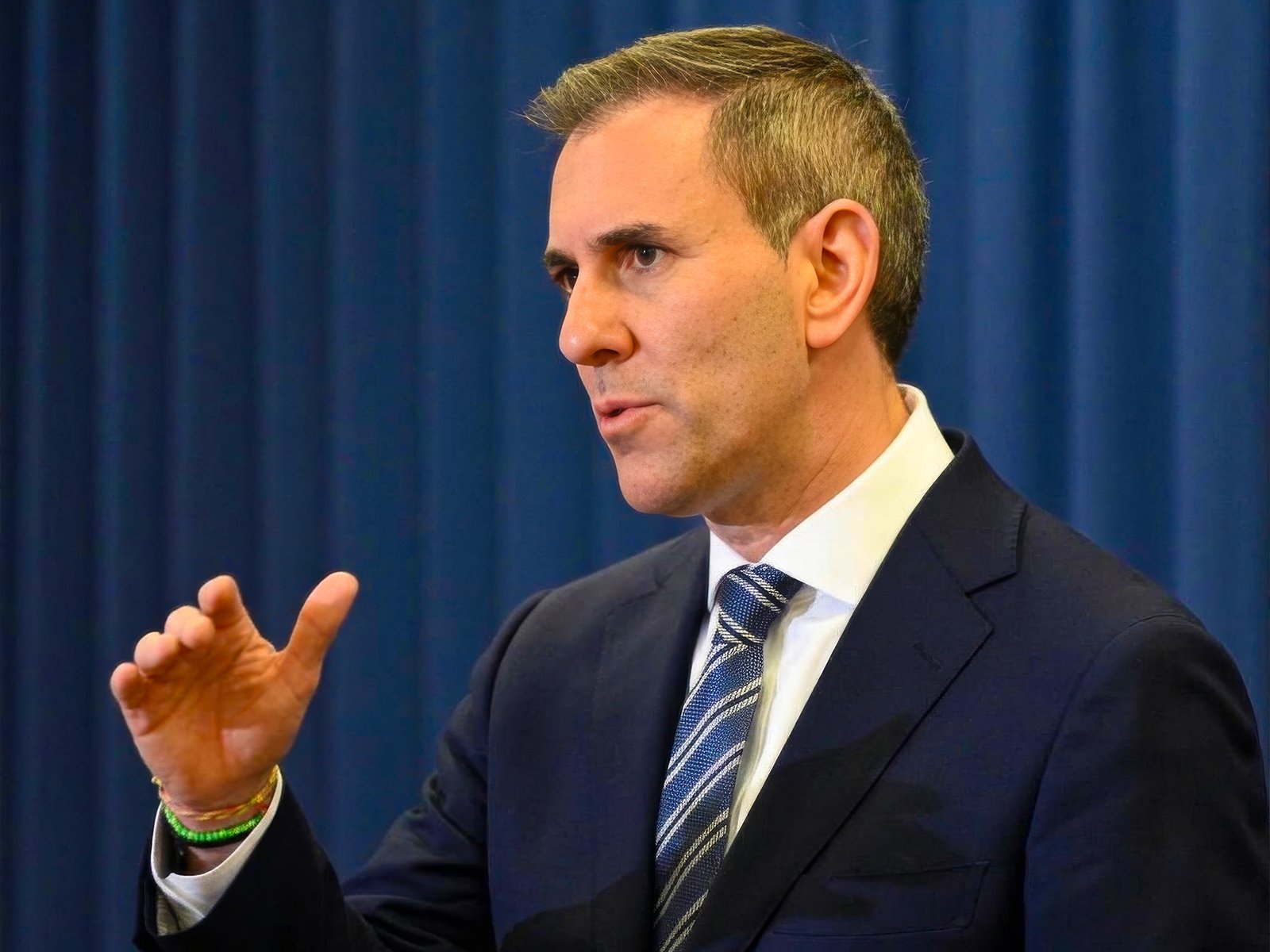
Australian Treasurer Jim Chalmers says the economy is likely to grow more slowly and unemployment is expected to rise as persistent inflation and higher interest rates put pressure on households and businesses. Treasury is revising its forecasts for the government’s mid-year budget update, due in December.
In extracts of a speech scheduled for Friday, 23 October, Chalmers said higher inflation was putting people under pressure and tighter monetary policy was weighing on domestic activity. He said those pressures were becoming visible in a softer labour market. The forecasts are still being updated, so the final figures have not yet been released.
The warning follows new labour force figures from the Australian Bureau of Statistics. The seasonally adjusted unemployment rate reached 4.7 per cent in September, up from 4.6 per cent in August. The number of unemployed people rose by 8,900 to 732,000, while employment fell by 39,300 over the month. The ABS said the trend unemployment rate remained at 4.6 per cent, and cautioned that changes to survey methods may have had a small residual effect on the September seasonally adjusted data.
The Reserve Bank of Australia has raised its cash rate four times this year, taking it to 4.6 per cent, according to Reuters. Inflation has remained stubborn, and financial markets have been weighing the possibility of another increase. A further rate rise would make borrowing more expensive for households and businesses, while also potentially helping to slow demand and ease price pressures.
Economists cited by Guardian Australia said the effects of earlier rate rises had not yet fully worked through the economy. Challenger chief economist Jonathan Kearns warned that unemployment could rise further and reach 5 per cent, a level he said would be difficult for the government. NAB chief economist Sally Auld also expected the next six to nine months to be challenging as the Reserve Bank tries to bring inflation under control.
The outlook presents a difficult choice for the Albanese government. Additional cost-of-living support could help households manage higher bills, but extra government spending may also add to inflation. Pulling back spending could reduce that pressure, while risking weaker demand and more job losses. Chalmers has not yet released the revised economic forecasts, and the December budget update will provide a clearer picture of the Treasury’s expectations for growth, unemployment and the public finances.