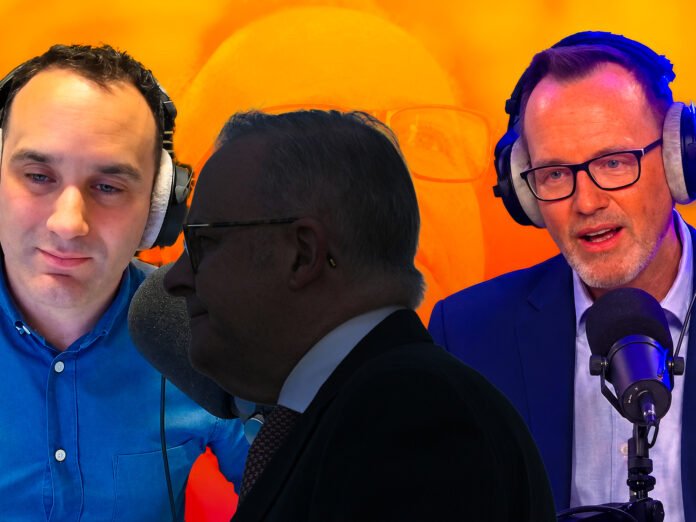
Australia’s latest interest rate increase is intensifying debate about inflation, household finances and the economic choices facing the federal government ahead of the next election.
The Reserve Bank of Australia raised the cash rate target by 25 basis points to 4.60 per cent on 29 September, with the new rate taking effect on 30 September. The RBA said inflation remained elevated and that higher energy prices, domestic capacity pressures and stronger-than-expected inflation outcomes were contributing to the decision.
The move came as official data showed annual consumer price inflation had risen to 4.0 per cent in the year to August, from 3.5 per cent in July. Trimmed mean inflation, a measure of underlying price pressures, remained at 3.6 per cent. The Australian Bureau of Statistics said higher housing and transport costs were among the major contributors, with automotive fuel prices rising sharply in August.
The economic pressure is also feeding into the political debate. The federal government has argued that the recent rise in headline inflation has been heavily influenced by higher global oil prices and the unwinding of energy rebates. Treasurer Jim Chalmers has also acknowledged that Australia continues to face domestic inflation pressures.
The RBA, however, has said the inflation problem is not solely external. Governor Michele Bullock said domestic capacity pressures and stronger domestic spending and investment were also contributing, while the impact of higher energy prices from the Middle East conflict was an additional source of pressure.
That distinction matters because monetary policy and government policy operate differently. The RBA sets interest rates independently, while the federal government controls taxation, spending and other economic policies. The central bank says higher interest rates work by slowing overall spending and economic activity, helping to reduce inflation over time.
RBA research published in July found a significant gap in public understanding of that process. Only 25 per cent of respondents correctly identified that higher interest rates would ultimately reduce inflation, while more than half expected higher rates to increase inflation. The survey covered about 9,000 Australians across three waves beginning in early 2025.
The latest rate decision is also occurring alongside a weaker labour market. ABS data showed the unemployment rate rose to 4.6 per cent in August, while the participation rate increased to 67.1 per cent.
Housing has become another part of the economic picture. Recent market data showed Australian home prices falling for a sixth consecutive month in September, adding another pressure point for households, buyers and property investors as borrowing costs remain elevated.
For households already dealing with higher everyday expenses, the effect of rates can be direct. Mortgage repayments can rise when loans are repriced, while renters may face indirect pressure as higher financing costs affect landlords and housing supply. Australia By Aussie recently reported on the broader pressure facing households from interest rates, fuel costs, housing stress and food insecurity.
Australian households face renewed pressure as interest rates and living costs rise.
The political response is likely to remain focused on competing explanations for the inflation problem and on which policies should be used to reduce pressure on households without adding to demand.
For the opposition, the combination of higher interest rates, elevated inflation, unemployment and weaker housing conditions provides a major focus for economic debate. Coalition leader Angus Taylor has argued for spending reductions in areas including some government programs and has identified changes to net-zero policies and other spending as possible sources of savings.
Those proposals are political positions rather than established outcomes, and the government disputes the argument that its spending is the main cause of the current inflation problem. The government has instead highlighted global energy shocks while also pointing to measures intended to improve productivity and the budget position.
The RBA’s latest decision therefore sits at the intersection of monetary policy, household finances and political debate. The central bank’s immediate task is to bring inflation back towards its 2–3 per cent target, while governments and opposition parties face competing choices over spending, taxes, productivity and cost-of-living measures.
With inflation still above target and interest rates at 4.60 per cent, economic conditions are likely to remain a major issue in Australian public debate as the next federal election approaches.