


Seven of the nine planetary boundaries used by scientists to assess the safe operating space for humanity are now being breached at their highest recorded levels, according to the latest planetary health assessment.
The annual assessment, conducted by a coalition of 60 scientists under the auspices of the Potsdam Institute for Climate Impact Research, examines key Earth systems that support human life, including the climate, freshwater, land and oceans.
The seven boundaries currently in the danger zone are climate change, biosphere integrity, land-system change, freshwater change, biogeochemical flows, novel entities such as synthetic pollutants, and ocean acidification.
Ocean acidification crossed the planetary boundary for the first time in last year’s assessment and remains among the areas outside the identified safe operating space.
Only two of the nine assessed boundaries — stratospheric ozone depletion and atmospheric aerosol loading — have shown improvement over the past decade. Researchers stress that aerosols still contribute to serious air pollution in some regions.
The scientists say the growing pressure on multiple planetary boundaries increases the risk of large-scale and potentially irreversible environmental changes. Lead author Boris Sakschewski said the margin for responding to the pressures was shrinking.
The assessment examines the conditions that have allowed human civilisation to develop during the past 10,000 years, when climate and natural systems were relatively stable.
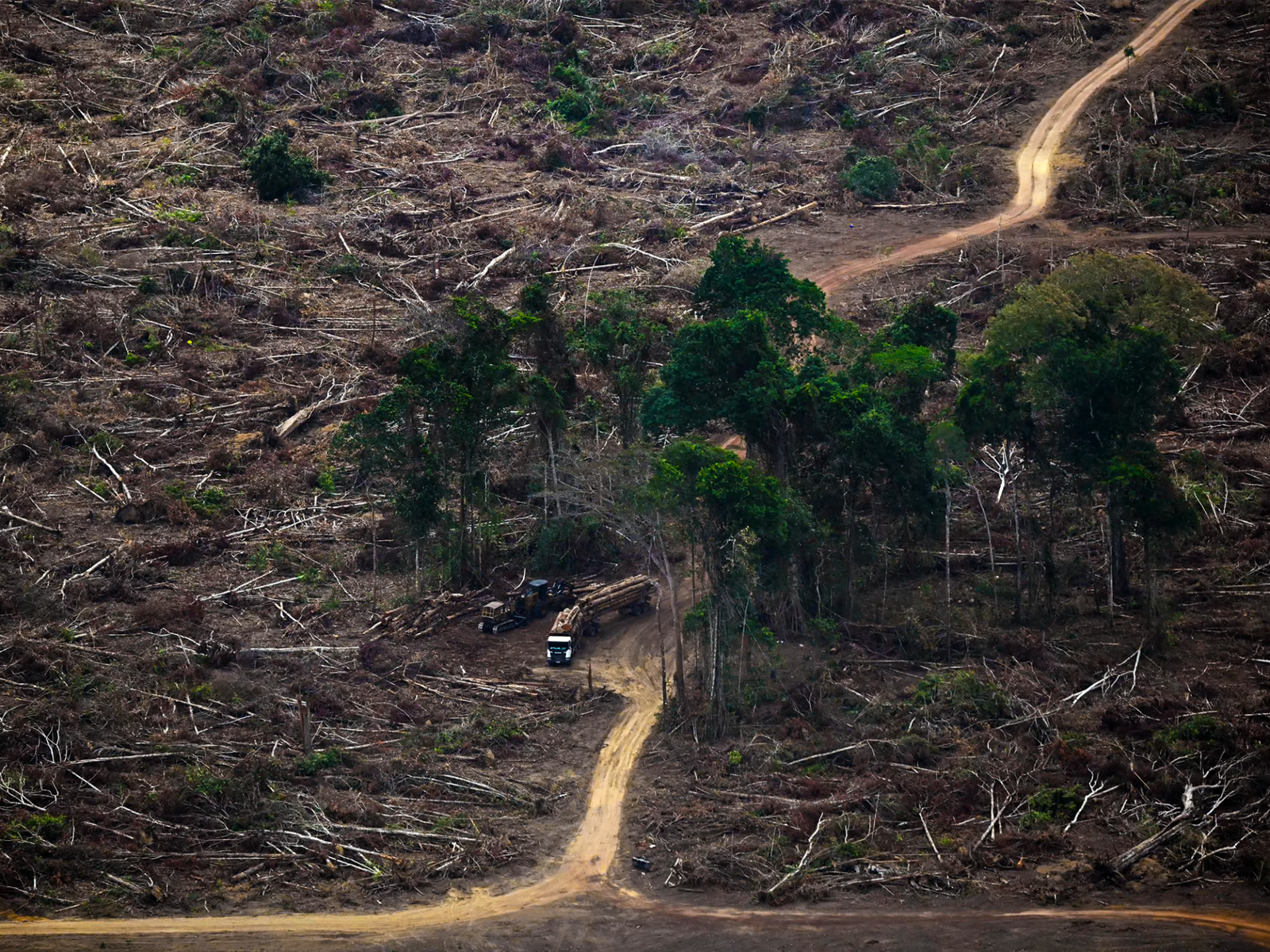
Researchers warn that pollution, deforestation, habitat destruction and the continued release of greenhouse gases are putting increasing pressure on forests, wetlands, oceans and other natural systems.
The report also highlights concerns about the ability of forests and oceans to continue absorbing carbon dioxide at the levels seen in the past. Researchers say the Amazon rainforest could potentially reach a tipping point at which large areas shift towards savannah, with consequences for climate stability, food and water security and human health.
The assessment comes after a year of severe climate and environmental events, including major floods, extreme heat and wildfires in different regions. Scientists say such events are occurring against a backdrop of increasing pressure on Earth’s natural systems.
The report was released as Climate Week began in New York, ahead of the United Nations General Assembly. Scientists and environmental leaders used the launch to call for faster action to reduce pressure on planetary systems.
Source: The Guardian
