

Qantas plans to cut 850 jobs in Australia and transfer some work offshore as part of a major technology overhaul involving artificial intelligence and a new agreement with consulting firm Accenture.
The airline announced the multi-year agreement on Tuesday, saying it would modernise back-end systems, processes and data while increasing its investment in technology and AI. Some services are expected to move to Accenture teams based in India.
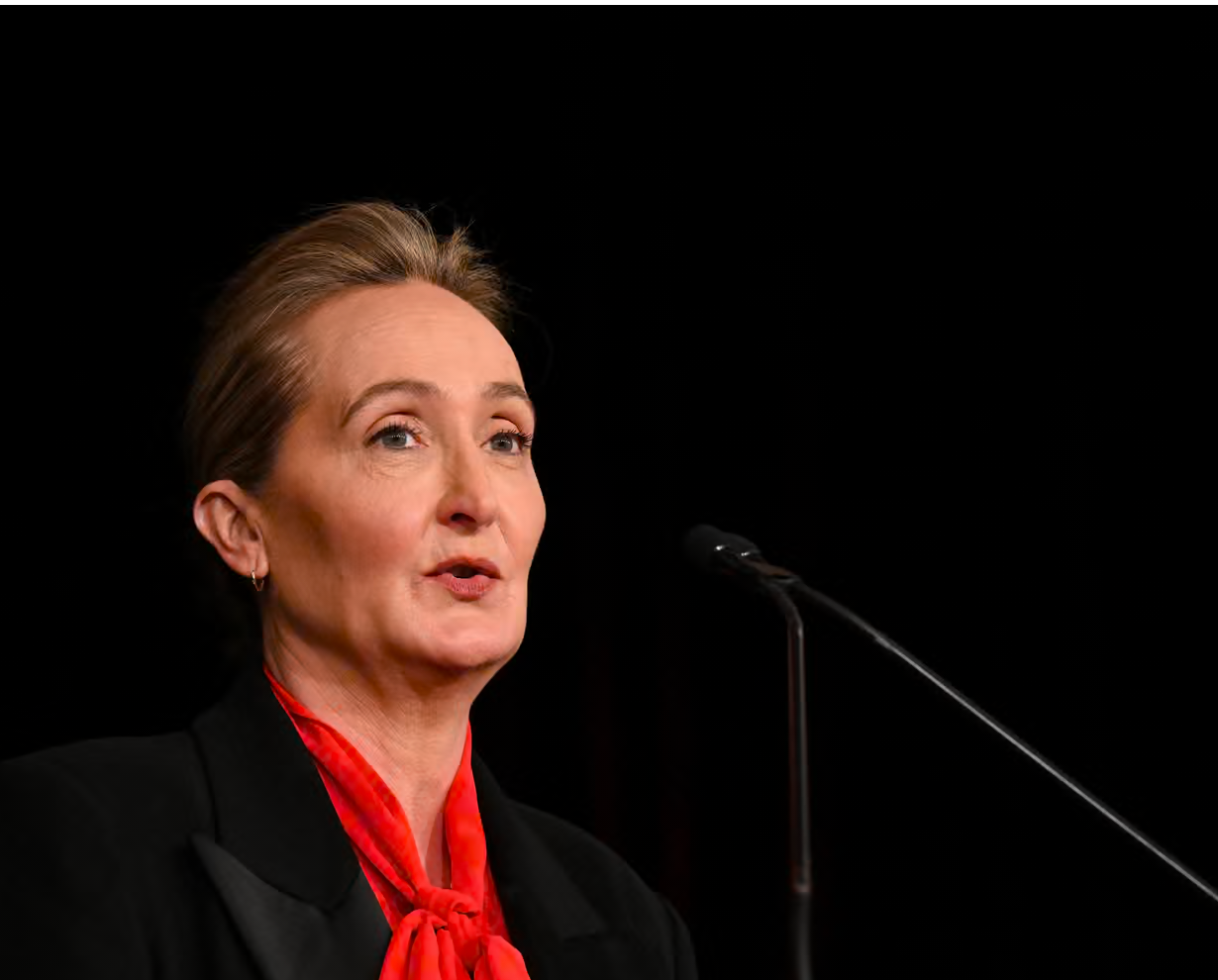
Qantas chief executive Vanessa Hudson said the airline would consult affected employees and unions before making final decisions. The first changes are expected to take effect by the middle of next year.
“The scale and speed of change in this space is unprecedented and unlike anything businesses have seen in generations,” Hudson said.
She described the planned cuts as difficult news for employees and said the decision did not reflect their contribution or commitment to the airline.
The announcement is likely to draw strong scrutiny from unions, which have previously challenged Qantas over outsourcing. The company has not said which specific roles or services will be affected by the changes.
The restructuring adds to a series of major corporate workforce announcements in Australia. It follows plans flagged by design company Canva and National Australia Bank in recent weeks.
NAB has targeted 2,500 roles, while Canva has announced plans to cut or relocate more than 1,200 jobs. Together with the 850 Qantas positions, about 4,550 corporate jobs have been targeted for cuts, relocation or restructuring across the three companies in the past month.
The developments come as Australian workers face rising living costs and an unemployment rate that has reached its highest level in nearly five years. A subdued economy and higher oil prices linked to the Iran conflict have also added pressure on businesses to reduce costs.
Qantas has been managing higher jet fuel prices, although the impact has been partly offset by ticket sales to customers who switched to the airline after cancelling flights with carriers using Middle East stopovers.
In a market update late last week, Qantas said customer demand remained resilient. It also indicated it would continue adjusting fares and flight capacity in response to fuel costs.
The airline’s latest plan places the impact of automation and offshore outsourcing at the centre of a broader debate about the future of Australian jobs, as major employers reassess how technology and external service providers fit into their operations.
