Labor says expanding access to early childhood education and care is a better way to support Australian families than bringing back a cash-based baby bonus, as a new Intergenerational Report projects the country will eventually record more deaths than births.
The 2026 Intergenerational Report, released on Monday, projects Australia’s fertility rate will fall to 1.34 children per woman by 2065–66, down from 1.5 in 2030–31. The replacement rate is 2.1 children per woman.
Treasury says lower fertility will contribute to slower population growth and an ageing population. The report is the first Intergenerational Report to forecast a point at which deaths exceed births, with that change expected in the 2060s.
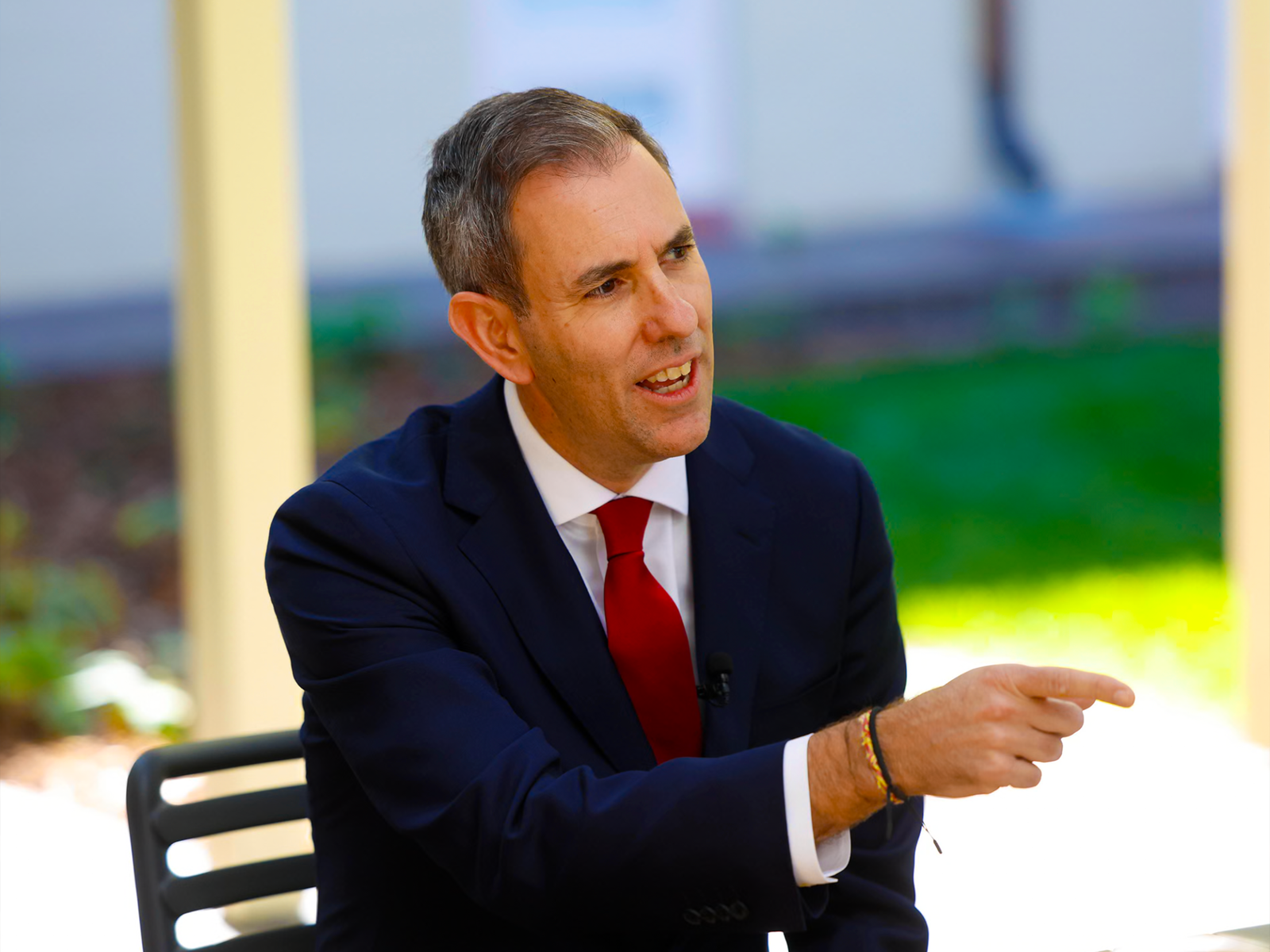
Treasurer Jim Chalmers said decisions about whether to have children were personal, while pointing to expanded paid parental leave, superannuation settings and childcare access as measures intended to make it easier for families to make their own choices.
“When it comes to fertility rates, I do not and will not give people free advice about these very personal decisions that they make about whether to start a family and when to start family,” Chalmers said.
Assistant Minister for Productivity Andrew Leigh said childcare was an important area of policy focus. He said the government’s priority was improving access to childcare and ensuring it was affordable for Australians.
Prime Minister Anthony Albanese has made universal childcare part of his policy agenda, and the government has commissioned Deloitte to help develop a pathway towards a universal system.
The issue has also prompted discussion about whether Australia should revisit the baby bonus introduced under the Howard government in 2004. Liberal frontbencher Andrew Hastie said he was open-minded about an economic incentive, while Nationals leader Matt Canavan said families needed more support but did not support returning to the previous payment.
Research cited in the report by the e61 thinktank found the baby bonus was associated with a 6.5{0931a9b6576c5d87fe846c236d3725957ace4ff7894c2ecd00b9029ccfe6a5f9} increase in births, with larger increases among some lower-income groups. Finance Minister Katy Gallagher said the government would not revisit the baby bonus.
The Treasury report says Australia’s demographic change reflects a complex mix of economic, social and cultural factors, including longer periods in education, career development and delays in forming partnerships and having children.
The report projects that Australia’s population will continue to grow over the long term, but at a slower rate, with ageing and lower fertility expected to reshape the workforce, public services and government finances.
Source: The Guardian
Additional source: Australian Treasury