

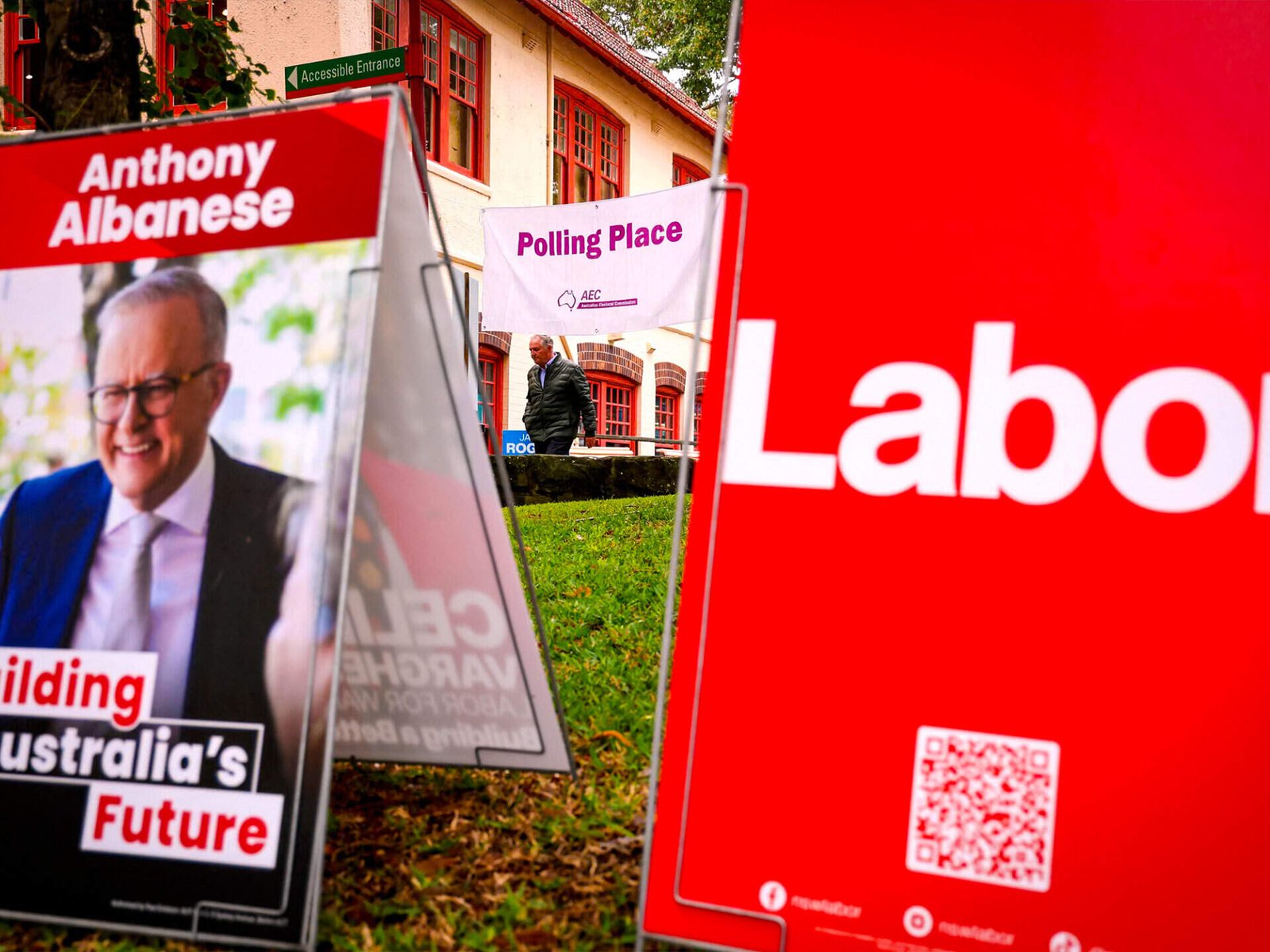
The Grattan Institute is calling for Australia’s new federal electoral expenditure caps to be tightened, arguing that the current limits leave too much money in election campaigns.
In a policy brief released on 22 September, the institute recommends cutting the new national cap for political parties from $90 million to $40 million a year.
Grattan also says the $800,000 electoral division cap should remain for sitting MPs and established-party candidates, but rise to $1.2 million for new independents and new parties.
The recommendations come ahead of the new federal funding and disclosure rules taking effect on 1 January 2027. The Australian Electoral Commission says the reforms will introduce electoral expenditure caps, including a $90 million federal cap for political parties and an $800,000 divisional cap.
Grattan says political parties collectively declared almost half a billion dollars in expenditure in the year leading up to the 2025 federal election. Its earlier analysis put total party expenditure in 2024–25 at about $489 million.
The institute argues that high spending can increase pressure on parties to raise more money for campaigns. It says reducing the national cap to $40 million would still provide major parties with substantial resources to communicate with voters while reducing the amount of money involved in federal election campaigns.
For new entrants, Grattan takes the opposite view of the divisional cap. It says successful new entrants at the past three federal elections spent an average of $1.5 million on their first successful campaign, and argues that the $800,000 limit could make it harder for new candidates to introduce themselves to voters.
The AEC confirms that the new $800,000 divisional cap will apply from 1 January 2027 and is a limit on electoral expenditure, rather than a donation limit.
Grattan’s recommendations are proposals from the institute and are not changes to the law. The existing legislation is scheduled to introduce the new caps from 2027 unless Parliament changes the framework.
Sources:
Related coverage: Coalition primary vote falls to 22% in Essential poll
