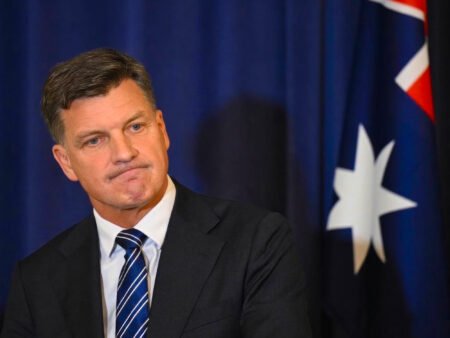



Liberal MP Dan Tehan says the safety risks facing federal parliamentarians may be greater when they are working in their local electorates than inside Parliament House, arguing that security efforts should focus more on community settings.
Speaking to ABC Radio National on 26 October, Tehan said security at Parliament House was “pretty good”, pointing to the money, effort and planning already invested in protecting the building. He said the vulnerability was more apparent when MPs were out doing their jobs in the community.
His comments came as Parliament resumed under increased security following the alleged attack on independent MP Helen Haines outside her electorate office in Wangaratta on 19 October. Haines remains in hospital with serious injuries. A man has been charged in connection with the incident, but the allegations have not been proven in court and authorities have not publicly established a motive.
Tehan’s remarks add to a wider discussion about how to protect MPs, their staff and families while allowing elected representatives to remain accessible to the people they serve. Electorate offices, community events and local visits can place MPs in public-facing settings where security arrangements differ from those at Parliament House.
Other parliamentarians have also raised concerns about security outside Canberra. ABC News reported that some MPs had questioned the consistency of threat assessments and protection for homes and electorate offices. Senator James Paterson has described electorate offices as exposed, while MPs have stressed that safety measures should not create an unnecessary barrier between representatives and constituents.
Federal ministers have said security agencies will be consulted as parliamentarians consider what further measures may be appropriate. The government has not announced a final package of new security arrangements in the material reviewed for this report. Any changes will need to weigh individual risk, practical costs and the importance of continued public access to elected representatives.
Tehan has also raised concerns about anonymous online accounts and their potential role in intensifying hostile political debate. Speaking on ABC Radio National, he said he supported freedom of speech but believed people should attach their names to their words. He acknowledged, however, that he could not say whether anonymity directly heightens political hostility.
His comments reflect two connected but distinct questions in the debate: how to respond to threats and abuse directed at politicians, and how to protect MPs when they meet the public. Anonymous accounts can serve legitimate purposes, including protecting people who face risks when speaking publicly, and Tehan’s comments do not establish that anonymity alone causes political violence.
The discussion follows reports of threats and harassment affecting politicians across party lines, including their families and staff. Australia By Aussie has also reported on the wider scrutiny of political threats and abuse. Security agencies and parliamentarians continue to consider how to address those risks while preserving Australia’s tradition of accessible local representation.