Author: Australia By Aussie

  • Byron Donalds removes Trump mentions from campaign site

    Byron Donalds removes Trump mentions from campaign site

    Florida Republican gubernatorial nominee Byron Donalds removed multiple prominent references to US President Donald Trump from his campaign website, according to reporting published by the Guardian on 22 September.

    The changes were reported as Donalds prepares for the November midterm election, in which he is the Republican nominee for governor of Florida.

    Trump references removed

    The updated campaign website reported by the Guardian removed several prominent references to Trump, including a photograph of Donalds and his wife, Erika, with the president. Earlier versions of the site described Donalds as a “Trump-endorsed proven conservative fighter” and promoted fundraising around Trump’s endorsement.

    A previous version of Donalds’ issues page also listed “Enact the Trump agenda” as its top priority. That wording was replaced by “affordability”, according to archived versions of the campaign website cited in the reporting.

    The Guardian reported that website-tracking service Visualping recorded multiple changes, including the removal of at least eight mentions of Trump from the homepage.

    Campaign says focus is on Florida issues

    Donalds’ campaign said the website changes reflect a focus on issues including affordability, insurance costs and government transparency. The campaign also said Donalds remains proud of Trump’s endorsement.

    At the time of the reported changes, a reference to Trump remained within a rotating list of endorsements that also included other conservative figures.

    Donalds won the Republican nomination for the Florida governor’s race in August. He has represented south-west Florida in Congress since 2021.

    Website currently features Trump endorsement

    The campaign’s official website currently displays Trump’s endorsement prominently, describing Donalds as “Trump-endorsed” and featuring a section for the president’s endorsement. This reflects the website’s current presentation and does not change the Guardian’s report about the alterations observed on 22 September.

    Wider Republican campaign changes

    The website changes came days after Republican congresswoman María Elvira Salazar publicly criticised aspects of the Trump administration’s immigration-enforcement policy.

    The developments are part of a broader pattern reported by US political media in which some Republican candidates have adjusted how closely their campaigns publicly associate themselves with Trump ahead of the November elections.

    For background on Trump’s recent international remarks, Australia By Aussie previously reported on his United Nations speech and his calls for economic isolation of Iran in its earlier report.

    Sources: The Guardian and Byron Donalds for Governor.

  • John Curtis seeks Senate probe of Trump Jr wedding payment

    John Curtis seeks Senate probe of Trump Jr wedding payment

    Republican Senator John Curtis of Utah has asked the US Senate judiciary committee to investigate Donald Trump Jr’s business dealings and foreign relationships following reports that a Russian official helped pay for part of his wedding celebrations in the Bahamas.

    Curtis wrote to the committee’s leaders on Tuesday asking them to subpoena Trump Jr over his business dealings, relationships with foreign individuals, gifts he has received and occasions when his connection to his father, Donald Trump, may have been used or understood to provide value.

    The request follows reporting that Umar Kremlev, a Russian boxing official with close ties to Russian President Vladimir Putin, helped cover the cost of renting a private island and staging fireworks for Trump Jr’s wedding to Bettina Anderson in the Bahamas in May.

    Anderson later described Kremlev as a “dear friend” on Instagram and said he had hosted two nights of celebrations after the wedding.

    Donald Trump did not attend the ceremony. According to The Guardian, he defended Kremlev’s involvement and said he had been told by Trump Jr that the money would eventually be reimbursed. Trump also said giving a wedding party as a gift was “totally allowed” and “very common”.

    Curtis compared the situation with the congressional scrutiny Republicans previously directed at Hunter Biden over his foreign business relationships. In a social media post accompanying his letter, Curtis wrote: “A toaster is a wedding gift. A private-island party paid for by a Putin-connected oligarch is something else.”

    The senator’s request also asks the committee to examine Trump Jr’s relationships with foreign individuals and any benefits connected to his family ties to the president.

    Trump Jr previously came under scrutiny during the investigation led by special counsel Robert Mueller into Russian interference in the 2016 US election. He attended a 2016 meeting at Trump Tower involving a Russian lawyer who had been presented as having potentially damaging information about Hillary Clinton.

    Curtis was elected to the Senate in 2024. His request comes ahead of the November 2026 midterm elections and amid wider political disputes over the Trump administration and Republican candidates.

    Source: The Guardian

  • Kamala Harris campaigns with Abdul El-Sayed in Michigan

    Kamala Harris campaigns with Abdul El-Sayed in Michigan

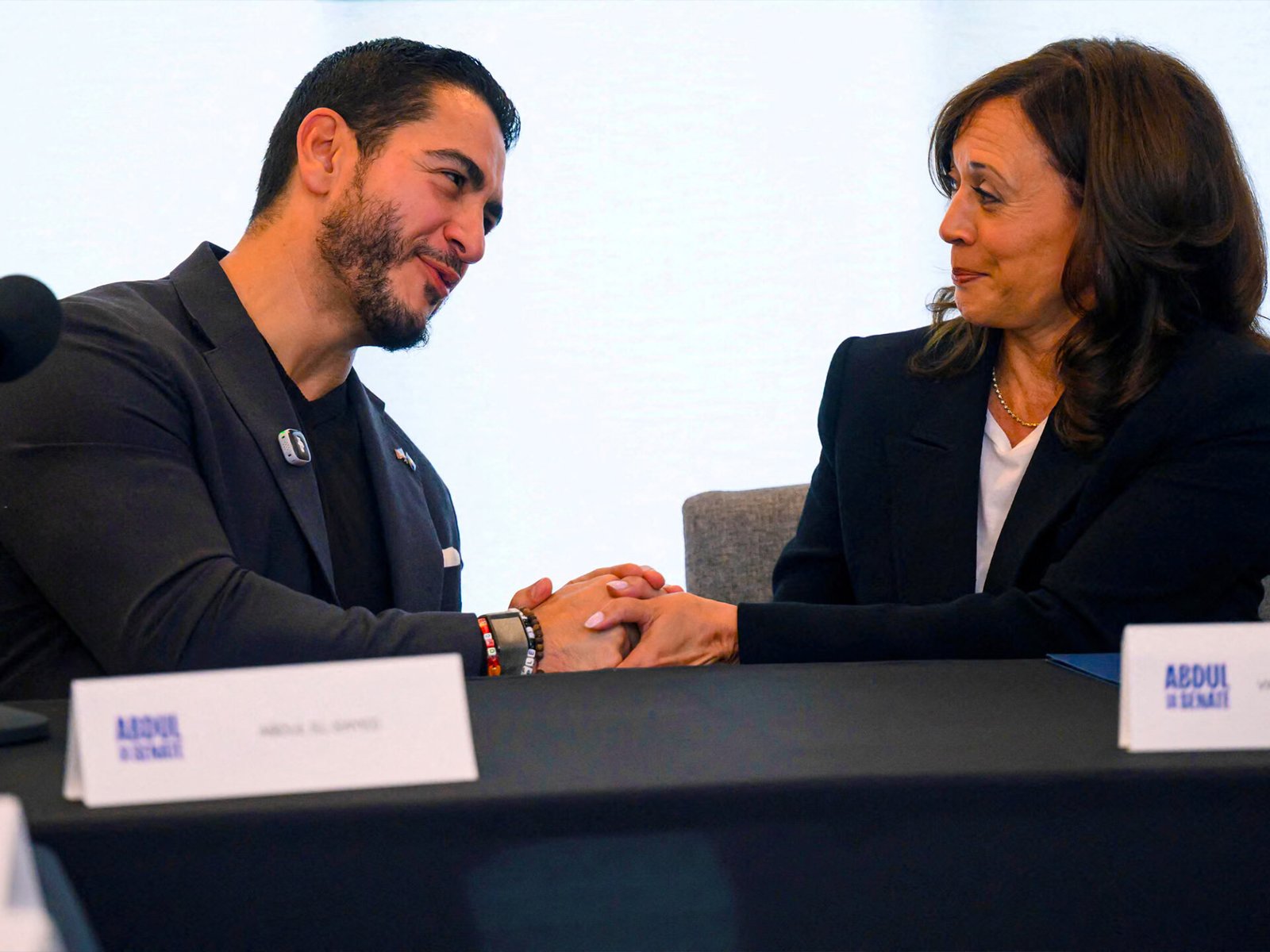
    Kamala Harris has returned to Michigan to campaign alongside Democratic US Senate nominee Abdul El-Sayed, using a Detroit discussion on Black maternal health to focus attention on healthcare and women’s access to care.

    Harris appeared with El-Sayed at a Detroit birth centre on Tuesday, where she criticised the Trump administration’s approach to Medicaid and federal health research. She also argued that the US Senate should act as a check on the White House.

    “Medicaid is the largest funder for maternity care in America,” Harris said, according to The Guardian.

    Harris also criticised the administration for halting federal research funding it had classified as diversity-related, citing research into conditions including fibroids.

    El-Sayed, a physician and Democratic Senate nominee, thanked Harris for highlighting the issues discussed at the roundtable. He is running against Republican Mike Rogers for the Michigan Senate seat being vacated by Democratic senator Gary Peters.

    The Senate contest follows a closely fought Democratic primary in August, when El-Sayed defeated congresswoman Haley Stevens. The campaign has since focused on efforts to bring together different parts of the Democratic coalition in Michigan.

    El-Sayed supports universal healthcare and has taken positions to the left of much of the party’s leadership. His criticism of Israel’s military campaign in Gaza has also marked a significant difference from the Biden-Harris administration’s previous approach to the conflict.

    Michigan has a large Arab American community, and the issue of US policy towards Israel and Gaza has been an important part of Democratic politics in the state. El-Sayed supported the “uncommitted” movement during the 2024 Democratic primary before later endorsing Harris when she became the party’s presidential nominee.

    Harris’s Michigan appearance also comes as she considers whether to seek the Democratic presidential nomination again in 2028. Michigan is scheduled to be the fifth contest on the party’s revised 2028 primary calendar, while Harris has further campaign stops planned in Nevada and Georgia.

    At the end of the Detroit event, Harris urged voters to recognise their role in the election outcome and the effect she said the result could have on their lives.

    Source: The Guardian — exact source article URL could not be independently verified.

  • Brad Pitt stars with dog in Heart of the Beast

    Brad Pitt stars with dog in Heart of the Beast

    Heart of the Beast is a survival adventure starring Brad Pitt as a former US special forces veteran stranded in the Alaskan wilderness with his retired service dog, Odin.

    Pitt plays Belmont, a self-reliant veteran who lives in remote Alaska and travels by seaplane with Odin, a German shepherd who served alongside him. The pair are forced into a dangerous journey across difficult terrain after a dramatic event changes their otherwise isolated life.

    Odin is central to the story rather than simply accompanying Belmont. The dog helps him survive the journey, while Belmont is also responsible for protecting Odin. The film uses visual effects for some of the animals and wilderness dangers encountered along the way.

    The cast also includes JK Simmons as a former goldminer and Anna Lambe in a role connected to the story’s opening. Cameron Alexander wrote the screenplay and David Ayer directed the film.

    The film draws on themes of companionship and loneliness, while its remote Alaskan setting and survival elements recall the tradition of wilderness adventure associated with writer Jack London.

    Heart of the Beast was released in Australia on 24 September 2026, with UK and US releases scheduled for 25 September.

  • Hyrox debate grows over extreme fitness culture

    Hyrox debate grows over extreme fitness culture

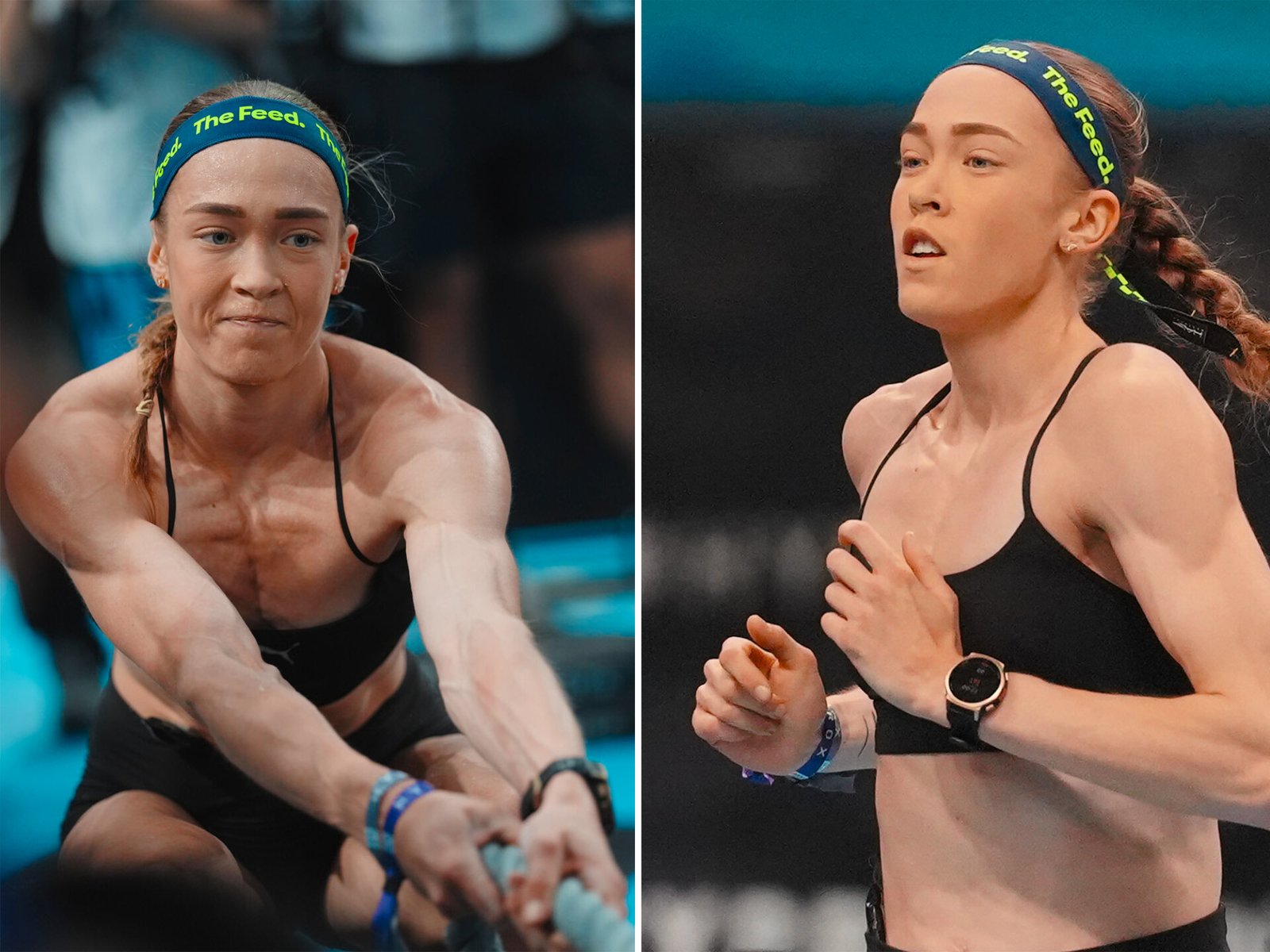
    The viral case of Australian Hyrox competitor Joanna Wietrzyk has prompted renewed discussion about the pressure to push physical performance to extremes.

    Wietrzyk continued competing at a Hyrox event in Beijing after experiencing bowel incontinence during the race. She was allowed to finish and win the event, and images from the competition later circulated widely online.

    In a now-deleted Instagram post, Wietrzyk initially described the result in terms of determination and competition. Hyrox organisers also issued a statement that was later deleted, saying athletes are encouraged to push themselves to high levels.

    After criticism over the incident and concerns about the use of shared equipment, Wietrzyk apologised and said she should have stepped off the track. Hyrox co-founder Moritz Fürste also apologised, saying the organisation had made a mistake by not responding immediately during the race. He said new rules and procedures would be introduced to prevent similar situations.

    The episode has raised broader questions about the culture surrounding hybrid fitness competitions, which combine cardiovascular exercise with strength-based movements. Events including Hyrox, ATHX and the CrossFit Games have grown alongside a wider interest in performance-focused training.

    Sport and exercise psychologist Harvey Smith said he has noticed greater attention to wellbeing among some athletes. He said people are increasingly considering whether extreme performance goals are compatible with long-term physical and mental health, while cautioning that competitive culture remains strong.

    Harvard University paleoanthropologist Daniel Lieberman said extreme competition should not be confused with exercise undertaken primarily for health. He said research indicates that physical activity provides substantial health benefits, while the additional benefits of increasingly intense exercise can eventually level off.

    Fitness coach Matteo Massaini, who has competed in Hyrox and running events, said challenging yourself can be positive but that extreme competition can also become harmful. He stressed that athletes have different goals and that personal achievements should not come at the expense of other people’s wellbeing.

    Chloe White of Raw Inc Training said competitive events can give people performance goals and shift attention away from appearance, while also noting growing awareness of recovery, injury management and long-term participation.

    Smith said athletes can pursue ambitious goals by focusing on sustainable training, realistic support and self-compassion rather than allowing race results or personal bests to define their sense of self-worth.

  • AI helps scientists study animal communication

    AI helps scientists study animal communication

    Artificial intelligence is increasingly being used to study animal communication, but researchers say the technology is not close to providing a simple way for humans to “talk” with dolphins, elephants or other animals.

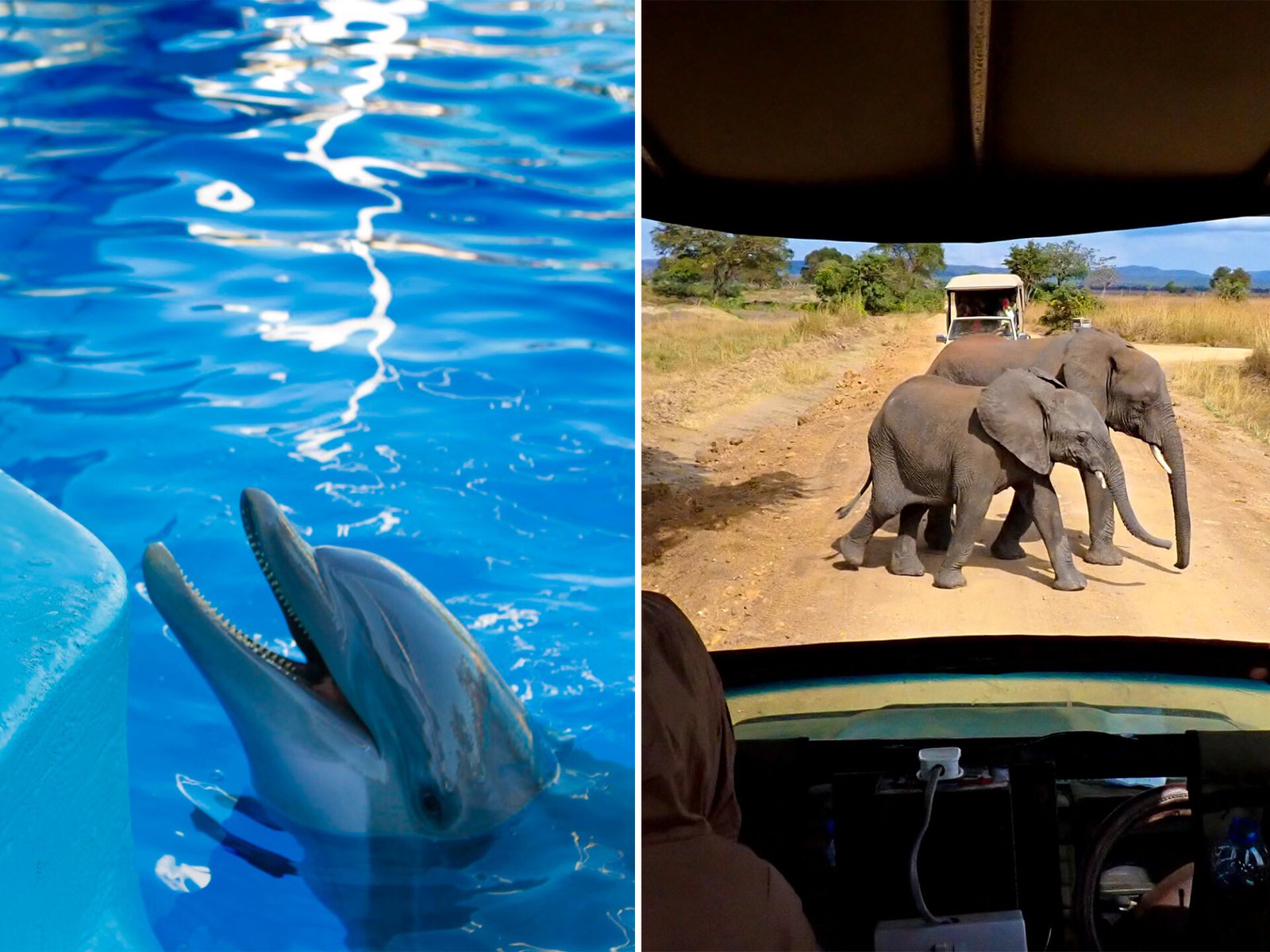
    In Shark Bay, Western Australia, researchers studying wild dolphins are using AI and machine-learning tools to analyse large amounts of recordings, photographs and behavioural observations. Dolphin researcher Stephanie King says AI can transform what scientists can do with data when it is used responsibly, but she cautions against treating the research as a race to decode an animal language.

    Dolphins communicate using whistles, clicks, buzzes and other sounds. Some whistles can act as individual identifiers, while vocalisations can also be linked to social behaviour. Researchers are still working to understand what many of these signals mean within dolphin communities.

    Scientists also face a basic challenge: animals experience and process their environments differently from humans. Dolphins, for example, use echolocation to navigate and find information about their surroundings, and their sensory systems differ substantially from ours.

    African elephant researcher Joyce Poole similarly supports using technology to learn more about animal behaviour while questioning the idea that the goal should be to insert humans into animal conversations. She argues that better understanding of elephant communication could help people appreciate the animals and their ecological needs.

    AI could also have implications beyond research. César Rodríguez-Garavito, who leads the More Than Human Life program at New York University, has argued that better information about animal behaviour could eventually contribute to decisions affecting wildlife and ecosystems.

    Researchers say those possibilities also create ethical risks. AI-powered systems could potentially be used to manipulate animals, attract them toward people or repeatedly play sounds that cause stress. Even recreational use of animal communication tools could interfere with wildlife if people use them without understanding the context of animal calls.

    A group associated with the More Than Human Life program has developed the Pepp framework — prepare, engage, prevent and protect — to help guide ethical use of technologies designed to study or interact with non-human animals.

    Other scientists remain cautious about both the promises and the risks. They note that playing recorded animal sounds can already affect behaviour, while existing human activities such as wildlife research, shipping, pollution and habitat disruption can have major impacts on animals.

    Researchers emphasise that AI findings still need to be checked against observations of animals in their natural environments. For King, understanding behaviour requires knowing when animals make particular calls, what is happening around them and how they respond afterwards.

    The research therefore points to AI as a tool for studying animal communication rather than evidence that a reliable animal translator is about to arrive. Scientists say careful field observation remains essential to understanding what animals are communicating and how technology should be used around them.

  • AI is changing cancer care, but limits remain

    AI is changing cancer care, but limits remain

    Artificial intelligence is increasingly being used in cancer research and clinical care, but researchers say claims that AI could soon “cure cancer” overlook the complexity of the disease and the time required to test new treatments.

    AI and machine-learning systems are already being explored for medical imaging, early detection, pathology, drug development and treatment planning. Specialists say these tools could help identify patterns in scans or tissue that may be difficult for clinicians to detect and could make some parts of cancer care faster and more personalised.

    Ajit Goenka, a radiologist and nuclear medicine specialist at the Mayo Clinic in Minnesota, has studied machine-learning approaches for detecting pancreatic cancer. His research has examined whether subtle changes in CT scans taken before a diagnosis can reveal signs of disease earlier than conventional interpretation.

    Other researchers are investigating how AI could help coordinate complex cancer treatment. Felix Sahm, a neuropathologist at University Hospital Heidelberg, leads the European EUcanAI collaboration, which is studying agentic AI for brain tumours and central nervous system cancers.

    Such systems could eventually combine information from imaging, biopsies and genetic sequencing to help specialists assess tumours and possible treatments more quickly. Sahm has stressed, however, that much of this work remains experimental rather than routine clinical care.

    Australian medical oncologist Sherene Loi, from Melbourne’s Peter MacCallum Cancer Centre, has also cautioned against expecting a universal cancer cure from AI within a short timeframe. Cancer describes many different diseases involving abnormal cell growth, with different biological characteristics, genetic changes, treatments and outcomes.

    The gap between technological promises and clinical reality is particularly important in drug development. AI may help researchers identify promising drug targets or generate hypotheses, but potential medicines still require laboratory experiments, clinical trials, regulatory assessment and evidence that they are safe and effective for patients.

    Researchers also point to limitations in available medical data. Rare cancers and poorly understood tumour subtypes may have too little high-quality data for AI systems to provide reliable answers.

    Despite those limits, researchers see potential for AI to improve access to specialist knowledge, particularly in regional or rural areas where cancer expertise and advanced diagnostic services may be less available.

    The technology is therefore emerging as another tool for cancer researchers and clinicians rather than a standalone cure. As Australia’s broader healthcare debate continues to focus on communication, access and quality of care, the clinical value of AI will ultimately depend on evidence from real patients and medical practice.

  • Supermarket roast chicken taste test compares eight

    Supermarket roast chicken taste test compares eight

    A Guardian taste test of eight supermarket roast chickens has compared products from Woolworths, Coles and other major brands, with price, seasoning and texture among the factors considered.

    The test involved 12 reviewers who judged the chickens blind on appearance, aroma, skin, meat and stuffing. The chickens were bought from Sydney supermarkets and served at roughly the same temperature and within two hours of purchase to improve fairness and food safety.

    The review did not produce a single overall numerical ranking. Instead, the results included separate average scores for skin, meat and stuffing because each chicken performed differently across those categories.

    Macro Free Range Hot Roast Chicken from Woolworths, priced at $14, was described as the strongest overall entry in the test, receiving 6/10 for skin and 6/10 for meat. It had no stuffing score.

    Woolworths Smokey BBQ Roast Chicken, also $14, scored 6.5/10 for skin, 6.5/10 for meat and 5/10 for stuffing. Its smoky, ham-like flavour divided the reviewers.

    Coles Hot Roast Chicken Butter Chicken, priced at $14, scored 5.5/10 for skin, 6/10 for meat and 6/10 for stuffing. The test noted its curry-style flavour and impact on how the meat could be used for leftovers.

    Coles Classic Homestyle Roast Chicken cost $13 and scored 5.5/10 for skin, 4.5/10 for meat and 5.5/10 for stuffing. Lilydale Hot Roast Chicken with Sage and Onion Stuffing, priced at $14, scored 5.5/10 for skin, 4.5/10 for meat and 4.5/10 for stuffing.

    Woolworths Country Style Roast Chicken cost $13 and scored 6/10 for skin, 4/10 for meat and 4/10 for stuffing. Steggles Seasoned Hot Roast Chicken, priced at $11.99, recorded 4.5/10 for skin, 4.5/10 for meat and 3.5/10 for stuffing.

    The test also included Hazeldenes Free Range Sourdough BBQ Chicken as a comparison. It received the highest score but was also the most divisive, largely because reviewers found it considerably saltier than the other chickens.

    The Guardian noted that most of the tested chickens needed more seasoning and that the appeal of supermarket roast chicken is largely its convenience and relatively low cost rather than restaurant-level cooking.

  • Nine trees shortlisted for Victoria’s Tree of the Year

    Nine trees shortlisted for Victoria’s Tree of the Year

    Nine significant trees across Victoria have been shortlisted for the 2026 Victorian Tree of the Year competition, run by the National Trust of Victoria.

    The annual competition began in 2016 to raise awareness of significant trees and encourage their protection. Trees must be listed on the National Trust’s significant tree register, which recognises trees for their cultural, scientific or historic value.

    More than 40 trees were nominated this year before a panel of 12 experts and arboriculturists selected nine finalists.

    The finalists include a myrtle beech in Apollo Bay, a flooded gum in Carlton North, Californian redwoods in Warburton and a ginkgo planted in Geelong Botanic Gardens in 1859.

    Other finalists are an Indian bean tree in Castlemaine, a smooth-barked apple myrtle in Prahran, a Canary Island pine in Ballarat Central, a golden wych elm in South Yarra and a bunya pine in Maldon.

    The National Trust said the finalists reflect different aspects of Victoria’s tree heritage, from historic plantings and unusual species to trees with strong local connections.

    National Trust executive manager of gardens Justin Buckley said community support can be an important part of the competition and that significant trees face increasing pressure from urban densification and new housing.

    Voting closes at midnight on 22 October, with the 2026 winner due to be announced on 27 October.

  • Six-year-old Chinese girl sets Rubik’s Cube record

    Six-year-old Chinese girl sets Rubik’s Cube record

    Six-year-old Chinese speedcuber Lian Yunzhi has set a new women’s world record for the average time to solve a 3×3 Rubik’s Cube, according to Chinese state media.

    Lian, from Chengdu and nicknamed “Zhizhi”, recorded averages of 4.52 seconds and 4.27 seconds at two World Cube Association-certified competitions in Wuhan and Guangzhou this month, CCTV reported.

    The average is calculated from five solves. CCTV said Lian became the first female speedcuber to record an average below 4.5 seconds.

    Video released by the broadcaster showed Lian completing the cube rapidly before celebrating at the table. Her performances have drawn attention because of her age and the speed of her solves.

    Lian was introduced to cubing through a class alongside other extracurricular activities, including dance and music, her mother, Lin Yangxi, told local media. Lin said she later decided to focus more heavily on cubing after seeing benefits she associated with the activity.

    According to Lin, Lian has learned more than 1,300 solving algorithms and practises for about two to three hours each day.

    The World Cube Association organises and regulates official speedcubing competitions around the world. Records can vary by event format, including single-solve and average times, with official averages based on multiple solves.