


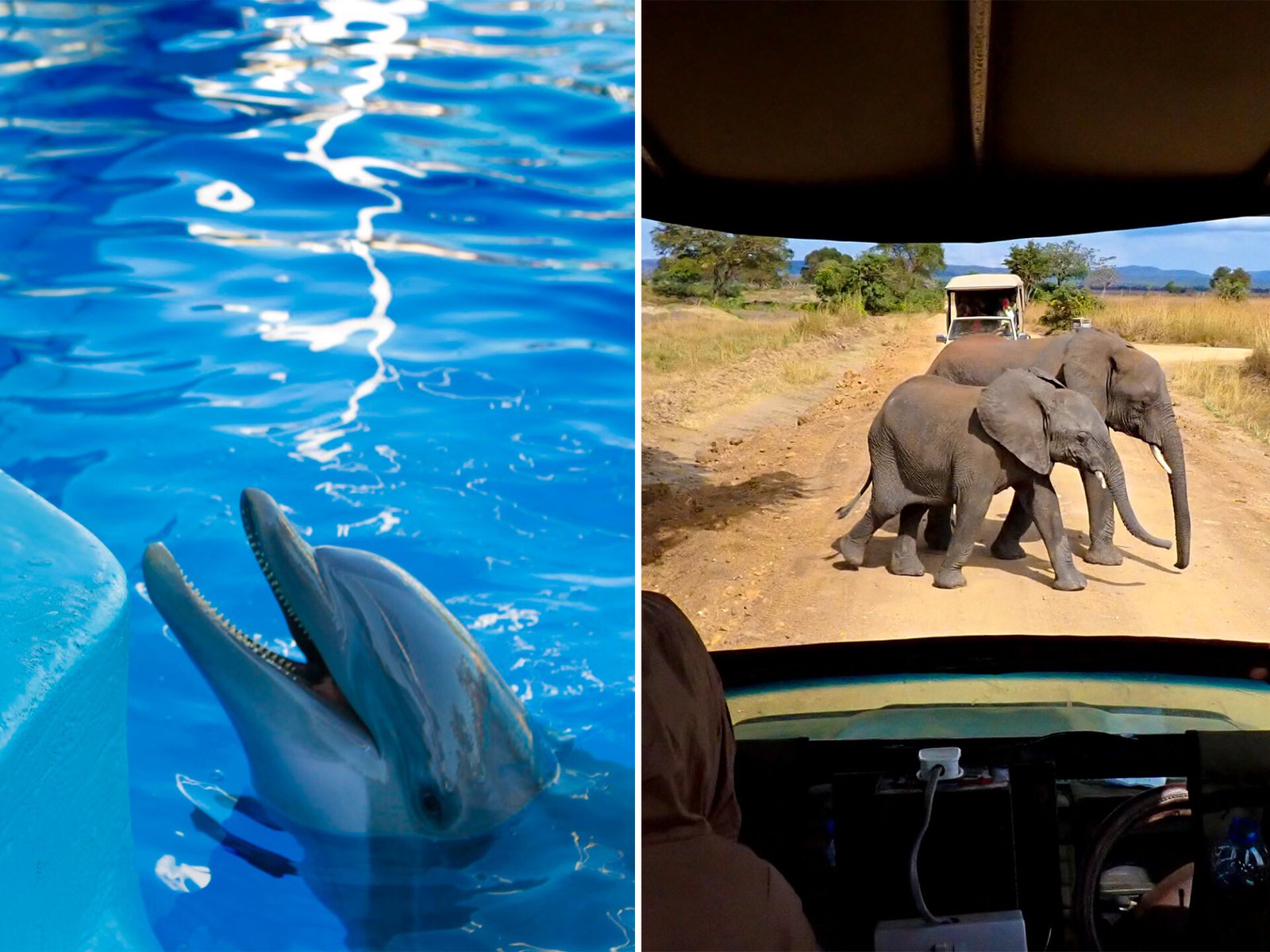
Artificial intelligence is increasingly being used to study animal communication, but researchers say the technology is not close to providing a simple way for humans to “talk” with dolphins, elephants or other animals.
In Shark Bay, Western Australia, researchers studying wild dolphins are using AI and machine-learning tools to analyse large amounts of recordings, photographs and behavioural observations. Dolphin researcher Stephanie King says AI can transform what scientists can do with data when it is used responsibly, but she cautions against treating the research as a race to decode an animal language.
Dolphins communicate using whistles, clicks, buzzes and other sounds. Some whistles can act as individual identifiers, while vocalisations can also be linked to social behaviour. Researchers are still working to understand what many of these signals mean within dolphin communities.
Scientists also face a basic challenge: animals experience and process their environments differently from humans. Dolphins, for example, use echolocation to navigate and find information about their surroundings, and their sensory systems differ substantially from ours.
African elephant researcher Joyce Poole similarly supports using technology to learn more about animal behaviour while questioning the idea that the goal should be to insert humans into animal conversations. She argues that better understanding of elephant communication could help people appreciate the animals and their ecological needs.
AI could also have implications beyond research. César Rodríguez-Garavito, who leads the More Than Human Life program at New York University, has argued that better information about animal behaviour could eventually contribute to decisions affecting wildlife and ecosystems.
Researchers say those possibilities also create ethical risks. AI-powered systems could potentially be used to manipulate animals, attract them toward people or repeatedly play sounds that cause stress. Even recreational use of animal communication tools could interfere with wildlife if people use them without understanding the context of animal calls.
A group associated with the More Than Human Life program has developed the Pepp framework — prepare, engage, prevent and protect — to help guide ethical use of technologies designed to study or interact with non-human animals.
Other scientists remain cautious about both the promises and the risks. They note that playing recorded animal sounds can already affect behaviour, while existing human activities such as wildlife research, shipping, pollution and habitat disruption can have major impacts on animals.
Researchers emphasise that AI findings still need to be checked against observations of animals in their natural environments. For King, understanding behaviour requires knowing when animals make particular calls, what is happening around them and how they respond afterwards.
The research therefore points to AI as a tool for studying animal communication rather than evidence that a reliable animal translator is about to arrive. Scientists say careful field observation remains essential to understanding what animals are communicating and how technology should be used around them.
