Former Australian chief scientist Alan Finkel has called for the United States and China to work together on an international agreement to regulate artificial intelligence, arguing that the rapid development of the technology requires governments to act.
In an opinion article published by The Guardian, Finkel focused on the pace of AI development and the risks raised by increasingly capable systems. He pointed to warnings from technology leaders and researchers, while also noting the benefits AI is already providing to individuals, businesses, governments and researchers.
Finkel cited research from the METR research institute indicating that generative AI capability doubled every seven months between 2020 and 2024, before accelerating to about every four months since then. He argued that the speed of development leaves governments with limited time to establish effective safeguards.
The article also refers to recent concerns from Anthropic chief executive Dario Amodei, who has called for a slowdown in AI development. Finkel said OpenAI chief executive Sam Altman and xAI chief executive Elon Musk had also backed calls for greater caution.
US President Donald Trump has taken a different position, according to Finkel. The article says Trump dismissed warnings that AI could cause severe harm and rejected calls for stronger AI guardrails.
Finkel argued that relying on technology companies to regulate themselves would not provide a consistent international framework. He pointed to Anthropic’s approach of using a detailed AI constitution, while proposing that fundamental rules focused on human safety, lawful behaviour and ethical conduct could form part of AI systems.
Australia By Aussie has previously reported on concerns about AI risks and the calls for governments to respond to increasingly capable systems. Australia’s earlier coverage of AI risks examined concerns including autonomous systems, cybersecurity, misinformation, privacy and concentrated technological power.
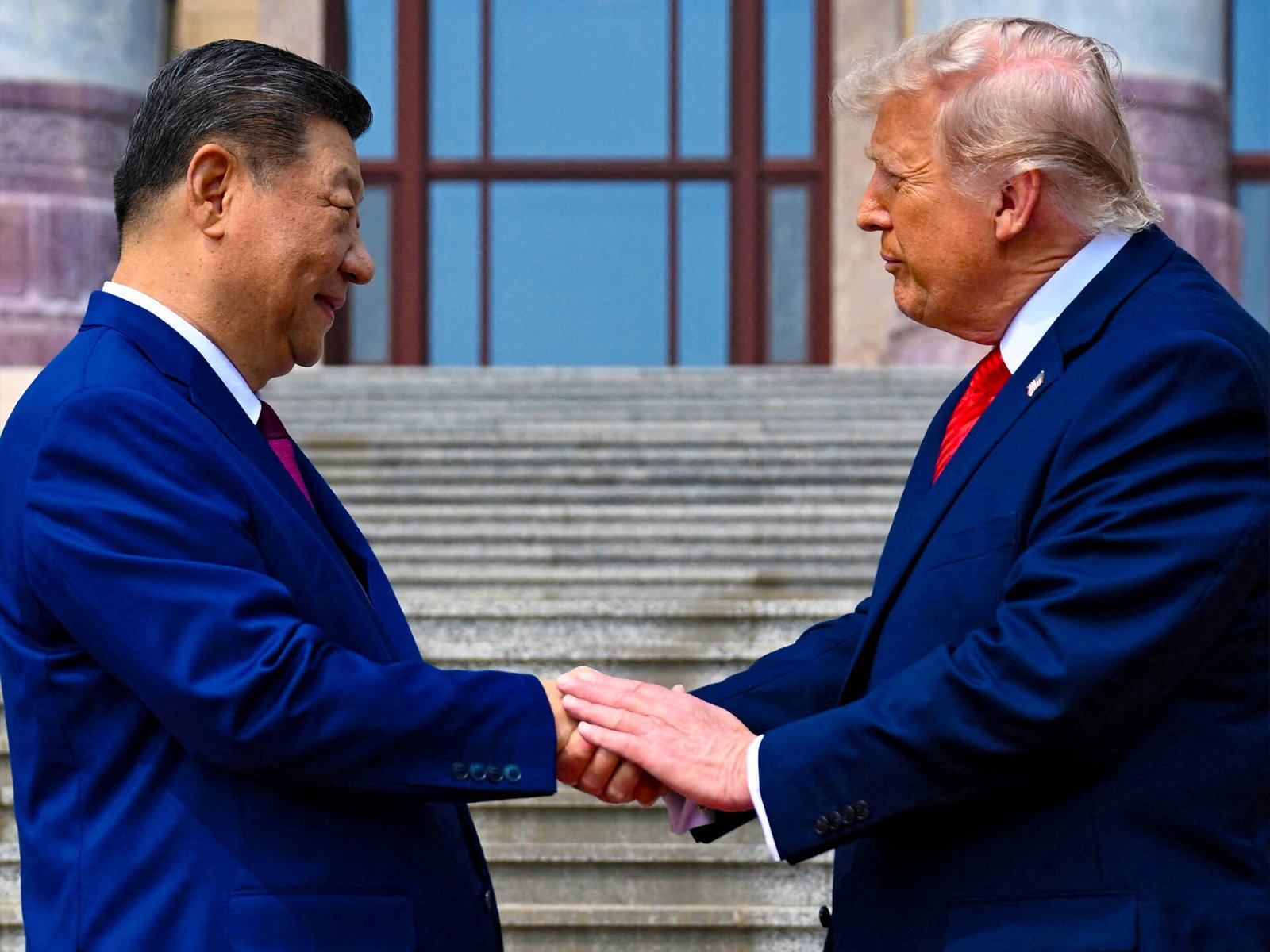
Finkel compared the need for international AI cooperation with previous efforts by major powers to manage the risks associated with nuclear weapons. He argued that the US and China, as leading AI powers, have a particular role in developing international rules.
His proposal comes as governments and technology companies continue to debate how AI should be developed and regulated. The Guardian article is an opinion piece, so Finkel’s proposals and assessments represent his views rather than an agreed international policy.
Source: The Guardian