New Australian student visa rules took effect on 2 October 2026. Most current student visa holders who need another student visa must apply from outside Australia unless an exemption applies, and affected applicants must also be outside Australia when the visa is granted.
The changes affect Student visas (subclass 500) and Student Guardian visas (subclass 590). The Department of Home Affairs says the reforms are intended to reduce visa hopping and reinforce the temporary-study purpose of the program.
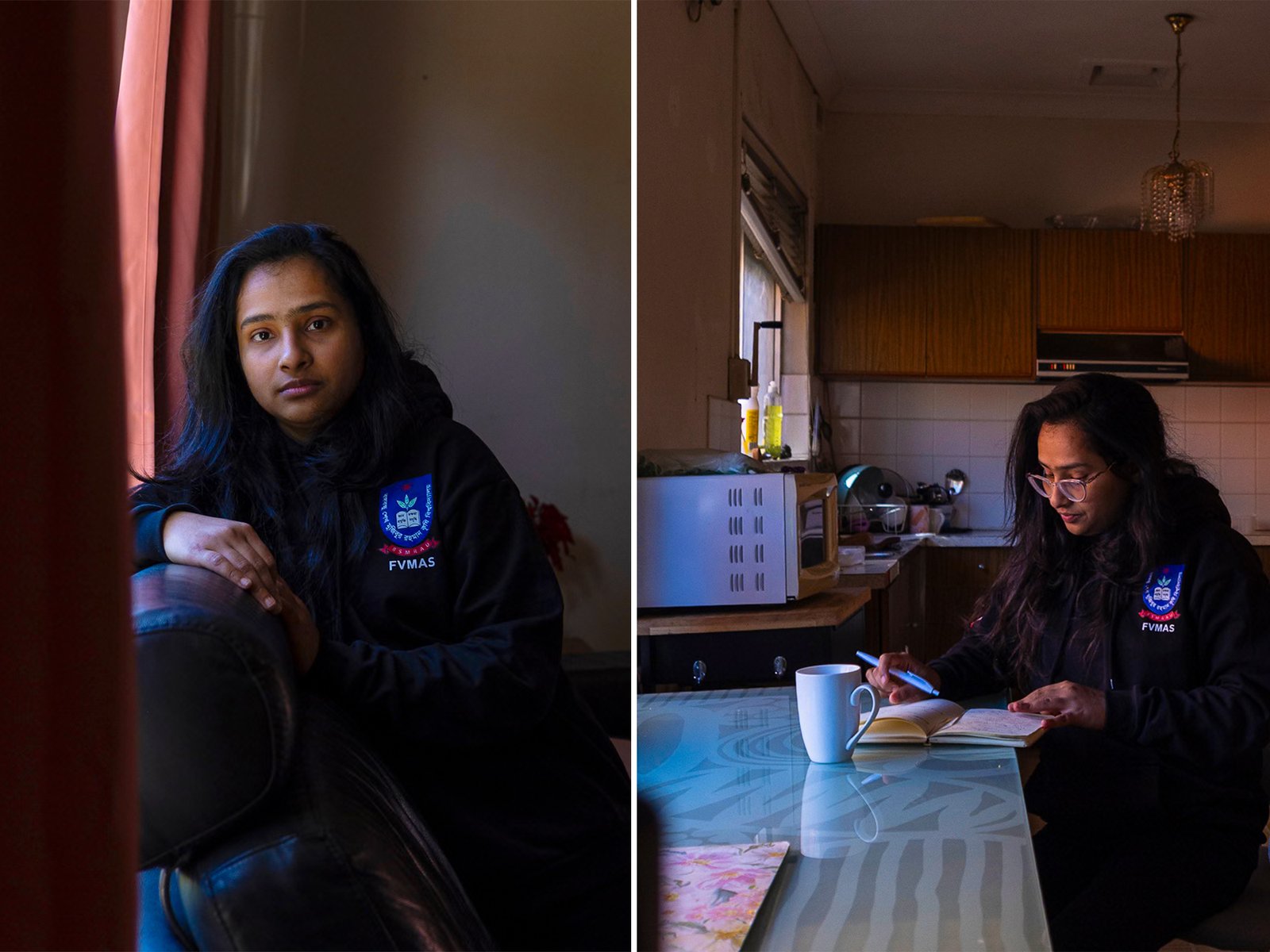
The Guardian reported that Fatima Bonna, a 27-year-old student from Bangladesh studying early childhood education at the Ikon Institute in Adelaide, has a visa that expires in September 2027, four months before her course is due to finish. Her circumstances show why students who change courses or providers need to check whether an exemption applies. The official rules include an exemption for some students who need up to 12 additional months to complete a course with the same provider.
The new rules do not cancel or shorten visas already held. They change who can apply for a further student visa from within Australia. Exemptions include certain government-sponsored students, doctoral candidates, school students, people affected by an education provider default, some students needing extra time to finish a course with the same provider, and students progressing to a higher-level course after completing their main course.
The rules also limit the ability to include partners and dependent children in student visa applications. Exemptions apply to specified groups, including doctoral students, nationals of Pacific countries and ASEAN member states, certain government scholarship recipients and government-sponsored students. Official guidance says family members cannot be added after a student visa has been granted. Applications lodged before 2 October continue to be assessed under the rules that applied when they were submitted.
The Guardian also reported on Wina Satria, an Indonesian doctoral candidate at the University of Sydney who had planned to add her husband to her visa so he could help care for their young son. The new restrictions have disrupted that plan. Assistant minister for international education Julian Hill said the government was not seeking to separate families already in Australia and that sympathetic consideration could be given to visitor visas where needed to keep families together. That statement does not itself create an exemption to the rule against adding family members after a visa has been granted.
Migration agent Gurpreet Dhawan told the Guardian that requiring students to apply offshore can leave them uncertain about how long they may have to remain outside Australia while their applications are processed. Published processing estimates for higher-education Student visa applications were around 16 days for half of applications and four months for 90 per cent at the time cited in the report. These are estimates, not guarantees.
The government says the changes will protect the integrity of the student visa program while allowing genuine students to study in Australia. University leaders and migration professionals have raised concerns about the effects of visa uncertainty and refusals on international enrolments and students’ plans. The practical effect depends on each student’s visa, course, provider and eligibility for an exemption.
Students who may be affected should check the Department of Home Affairs’ official rules and seek advice from a registered migration agent before changing courses, booking travel or lodging an application. An application lodged in Australia when offshore lodgement is required can be invalid, and an offshore applicant generally must also be outside Australia when the visa is granted.