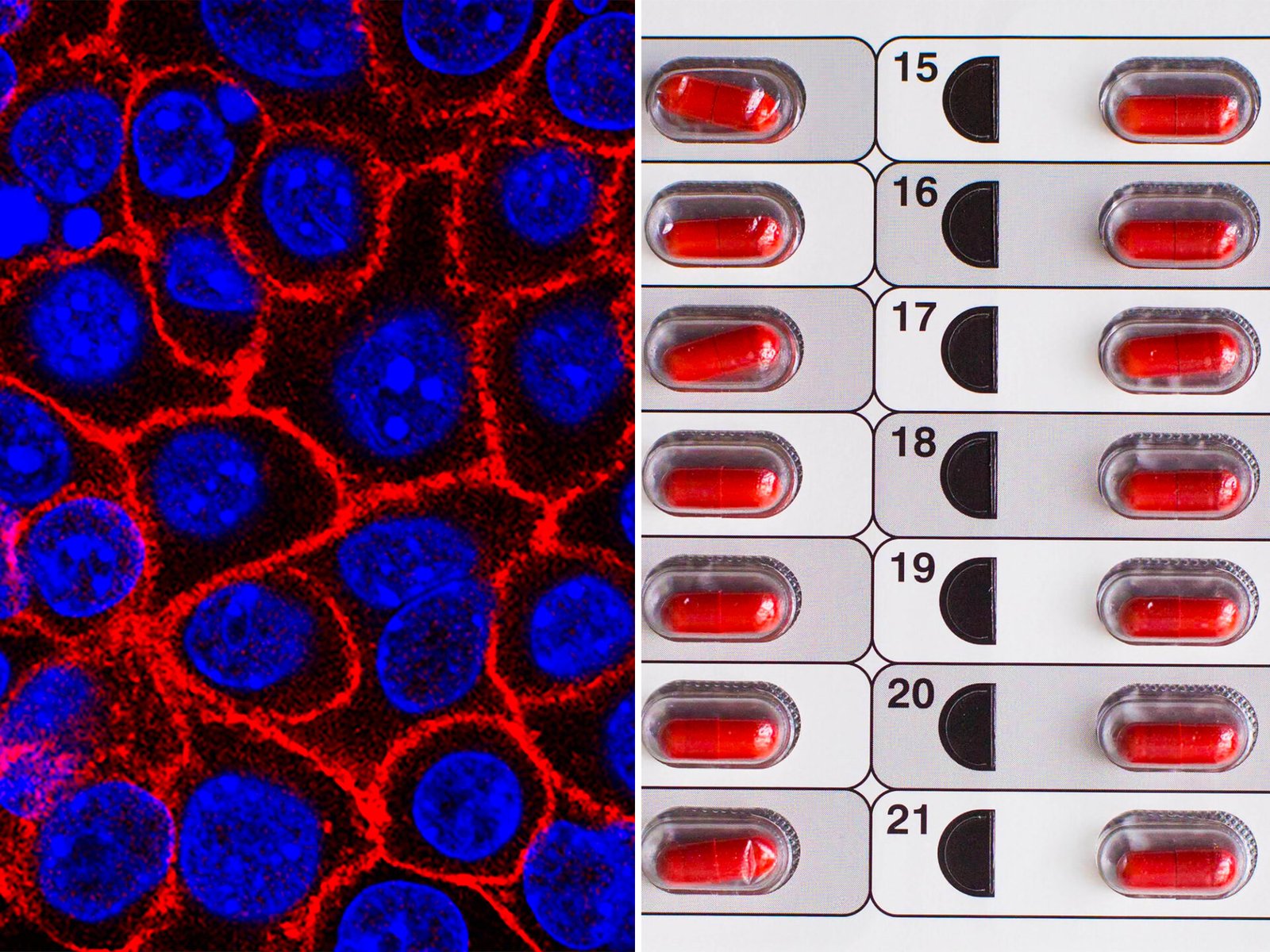
Artificial intelligence is increasingly being used in cancer research and clinical care, but researchers say claims that AI could soon “cure cancer” overlook the complexity of the disease and the time required to test new treatments.
AI and machine-learning systems are already being explored for medical imaging, early detection, pathology, drug development and treatment planning. Specialists say these tools could help identify patterns in scans or tissue that may be difficult for clinicians to detect and could make some parts of cancer care faster and more personalised.
Ajit Goenka, a radiologist and nuclear medicine specialist at the Mayo Clinic in Minnesota, has studied machine-learning approaches for detecting pancreatic cancer. His research has examined whether subtle changes in CT scans taken before a diagnosis can reveal signs of disease earlier than conventional interpretation.
Other researchers are investigating how AI could help coordinate complex cancer treatment. Felix Sahm, a neuropathologist at University Hospital Heidelberg, leads the European EUcanAI collaboration, which is studying agentic AI for brain tumours and central nervous system cancers.
Such systems could eventually combine information from imaging, biopsies and genetic sequencing to help specialists assess tumours and possible treatments more quickly. Sahm has stressed, however, that much of this work remains experimental rather than routine clinical care.
Australian medical oncologist Sherene Loi, from Melbourne’s Peter MacCallum Cancer Centre, has also cautioned against expecting a universal cancer cure from AI within a short timeframe. Cancer describes many different diseases involving abnormal cell growth, with different biological characteristics, genetic changes, treatments and outcomes.
The gap between technological promises and clinical reality is particularly important in drug development. AI may help researchers identify promising drug targets or generate hypotheses, but potential medicines still require laboratory experiments, clinical trials, regulatory assessment and evidence that they are safe and effective for patients.
Researchers also point to limitations in available medical data. Rare cancers and poorly understood tumour subtypes may have too little high-quality data for AI systems to provide reliable answers.
Despite those limits, researchers see potential for AI to improve access to specialist knowledge, particularly in regional or rural areas where cancer expertise and advanced diagnostic services may be less available.
The technology is therefore emerging as another tool for cancer researchers and clinicians rather than a standalone cure. As Australia’s broader healthcare debate continues to focus on communication, access and quality of care, the clinical value of AI will ultimately depend on evidence from real patients and medical practice.
Leave a Reply