
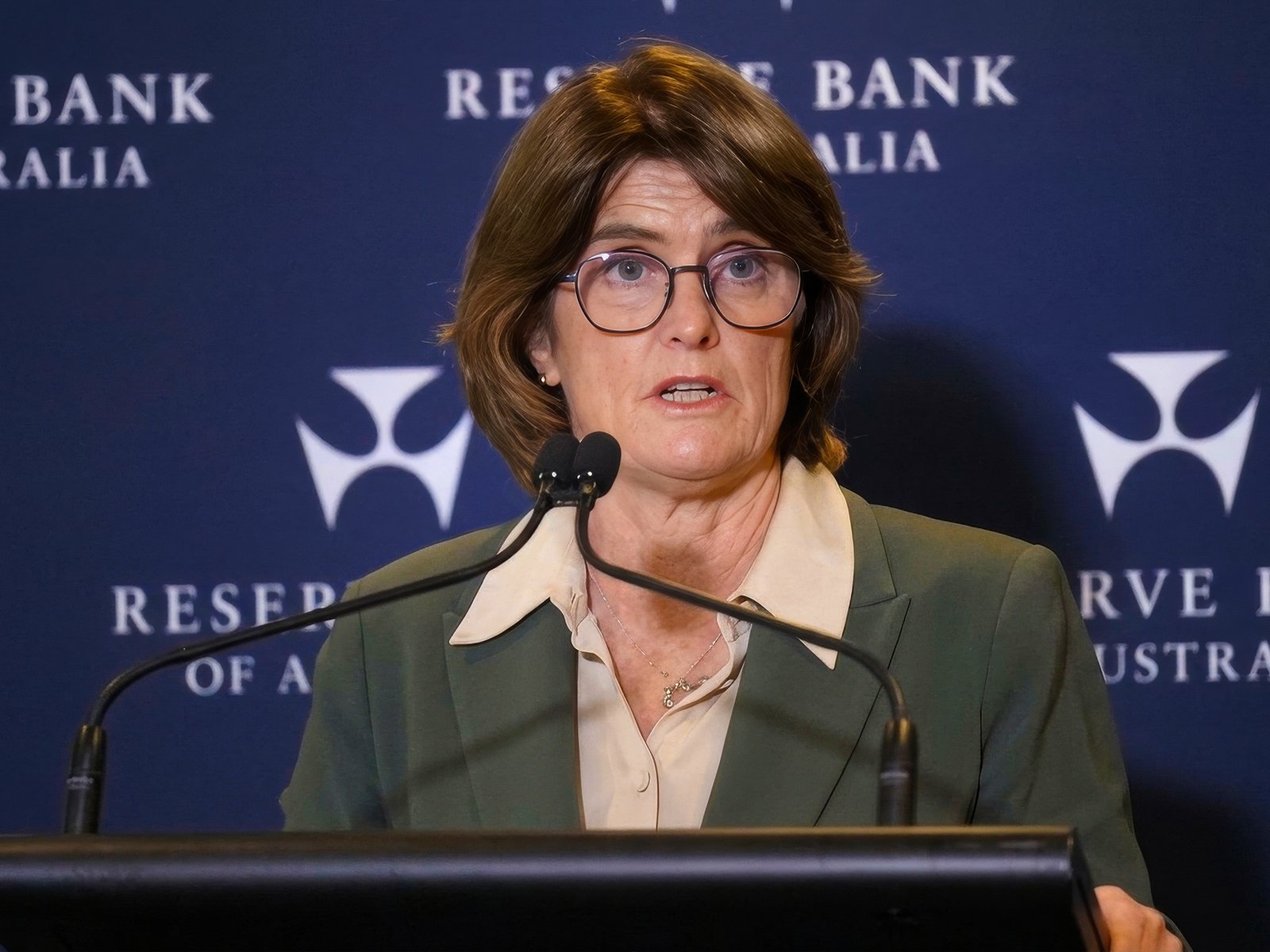
The Reserve Bank of Australia has raised its cash rate for a fifth time in 2026, lifting the target from 4.60 per cent to 4.85 per cent on 3 November. The increase puts the rate at its highest level since late 2008 and adds to the pressure facing borrowers as the central bank tries to bring inflation under control.
The decision was made by a six-to-three majority. Six members of the Monetary Policy Board voted for the 25-basis-point increase, while three preferred to leave the rate unchanged at 4.60 per cent. The split vote shows that the board was not unanimous about the need for another rise, even as it judged that inflation risks warranted tighter financial conditions.
The RBA said inflation remained elevated and broad-based, with higher fuel and commodity prices linked to the conflict in the Middle East adding to costs. It also assessed that domestic capacity pressures had been tighter than previously thought. The bank said higher fuel costs were beginning to pass through to prices for other goods and services, while investment linked to artificial intelligence was adding to demand for technology-related goods.
The bank’s November forecasts point to a longer period of elevated prices than it expected in August. Headline inflation is forecast to reach 4.5 per cent in the December quarter of 2026 and remain above 3 per cent until late 2027. The RBA expects inflation to return to the midpoint of its 2 to 3 per cent target range in mid-2028.
That outlook comes as the economy slows and housing conditions weaken. The RBA expects annual GDP growth to be 1.6 per cent in the year to December 2026 and 1.3 per cent in the year to December 2027. It also forecasts the unemployment rate to rise from 4.7 per cent in the December 2026 quarter to 5.1 per cent by the end of 2028.
Higher rates are intended to restrain demand and prevent inflation expectations from becoming entrenched, but they also increase borrowing costs for households and businesses. Mortgage holders are likely to feel the pressure most directly, while people with savings in accounts linked to higher deposit rates may receive more interest if their banks pass on the increase. The decision also follows warnings from Treasurer Jim Chalmers about slower growth and rising unemployment; read our report on the Treasurer’s economic warning for further context.
Businessman Mark Bouris, executive chairman of Yellow Brick Road, also criticised the economic outlook after the decision. In same-day media appearances, he warned that households and businesses could face further pressure, with rising unemployment and business failures among the risks he highlighted. Bouris also called on the Albanese government to reduce costs and improve its fiscal approach. These comments reflect his assessment of the economy, rather than an official RBA forecast or policy position.
Victorian Premier Ben Carroll also criticised the decision in a video posted on 3 November. He said it would hurt working people and urged the RBA to spend less time in Martin Place and more time in Airport West, where he grew up, and suburbs such as Melton and Mordialloc. In the accompanying post, Carroll said his government was making savings and providing cost-of-living support, including free dental care. He also cited Labor’s proposed $30-a-week caps on road tolls and public transport fares and a promised land-tax cut. These are election commitments, not current entitlements. The public-transport cap is proposed to start on 1 January 2027 if Labor is re-elected; read our report on the proposed fare cap for its terms.
The RBA said it would continue to assess incoming data and the changing outlook before making further decisions. Its statement did not promise another increase or rule one out. The next decision will depend on how inflation, employment, spending and other economic conditions develop.
