


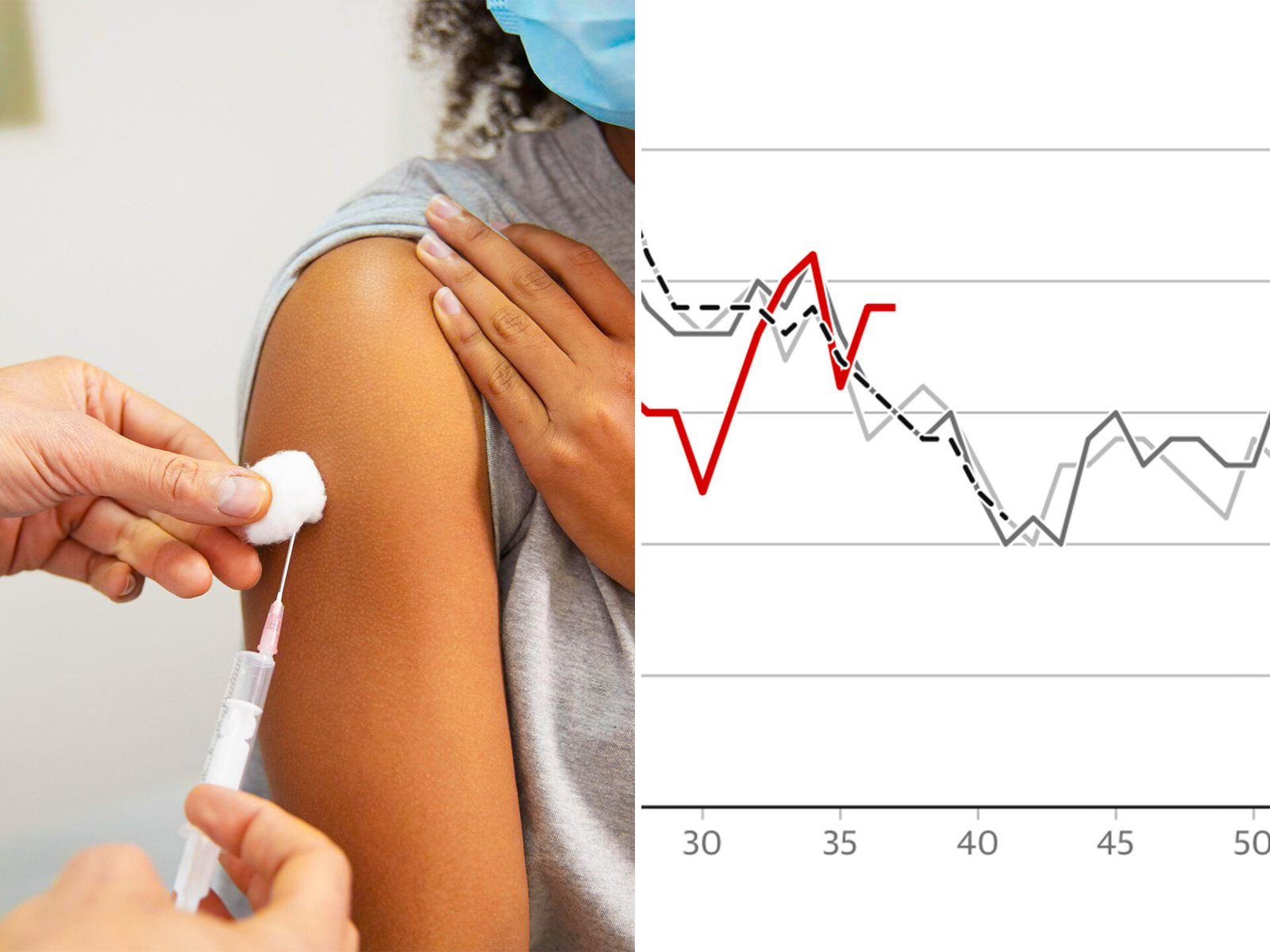
Influenza cases are rising sharply across Australia despite the end of winter, with health experts warning the country is approaching the peak of a late flu season.
In the fortnight ending 6 September, Australia recorded 31,650 notified influenza cases, a 27.2{0931a9b6576c5d87fe846c236d3725957ace4ff7894c2ecd00b9029ccfe6a5f9} increase from the previous fortnight, according to the Australian Respiratory Surveillance Report.
New South Wales recorded 14,256 cases during the period, followed by Victoria with 7,039 and Queensland with 6,625.
Victoria has seen influenza notifications rise by about 400{0931a9b6576c5d87fe846c236d3725957ace4ff7894c2ecd00b9029ccfe6a5f9} over seven weeks. Influenza A is responsible for most cases, while emergency department presentations for acute respiratory infections have also increased, particularly among children aged five to 17.
Health authorities say the 2026 season has arrived later than usual. Epidemiologist Dr James McCaw described the timing as unusual but said the later peak does not by itself mean the season will be more or less severe.
Experts have suggested several possible factors behind the unusual timing, including last year’s high case numbers, changes in population immunity, weather patterns, indoor socialising and uneven influenza vaccination uptake.
Influenza A is driving the current surge. A(H3N2) has been a major strain, while a secondary wave of A(H1N1) is contributing to rising notifications in New South Wales and Victoria. Influenza B has remained at relatively low levels.
Experts say the current period is close to the seasonal peak and continue to encourage eligible Australians who have not received their influenza vaccination to consider getting vaccinated.
National influenza vaccination uptake was reported at 30.2{0931a9b6576c5d87fe846c236d3725957ace4ff7894c2ecd00b9029ccfe6a5f9}. Prof Patrick Redding of the Doherty Institute said this year’s vaccine is a strong match for circulating strains and cited an estimated 35{0931a9b6576c5d87fe846c236d3725957ace4ff7894c2ecd00b9029ccfe6a5f9} reduction in flu hospitalisations among vaccinated people.
The Australian Government continues to publish influenza surveillance and immunisation data through its national respiratory surveillance and vaccination reporting systems.
Source: The Guardian
Official data: Australian Government Department of Health, Disability and Ageing
