
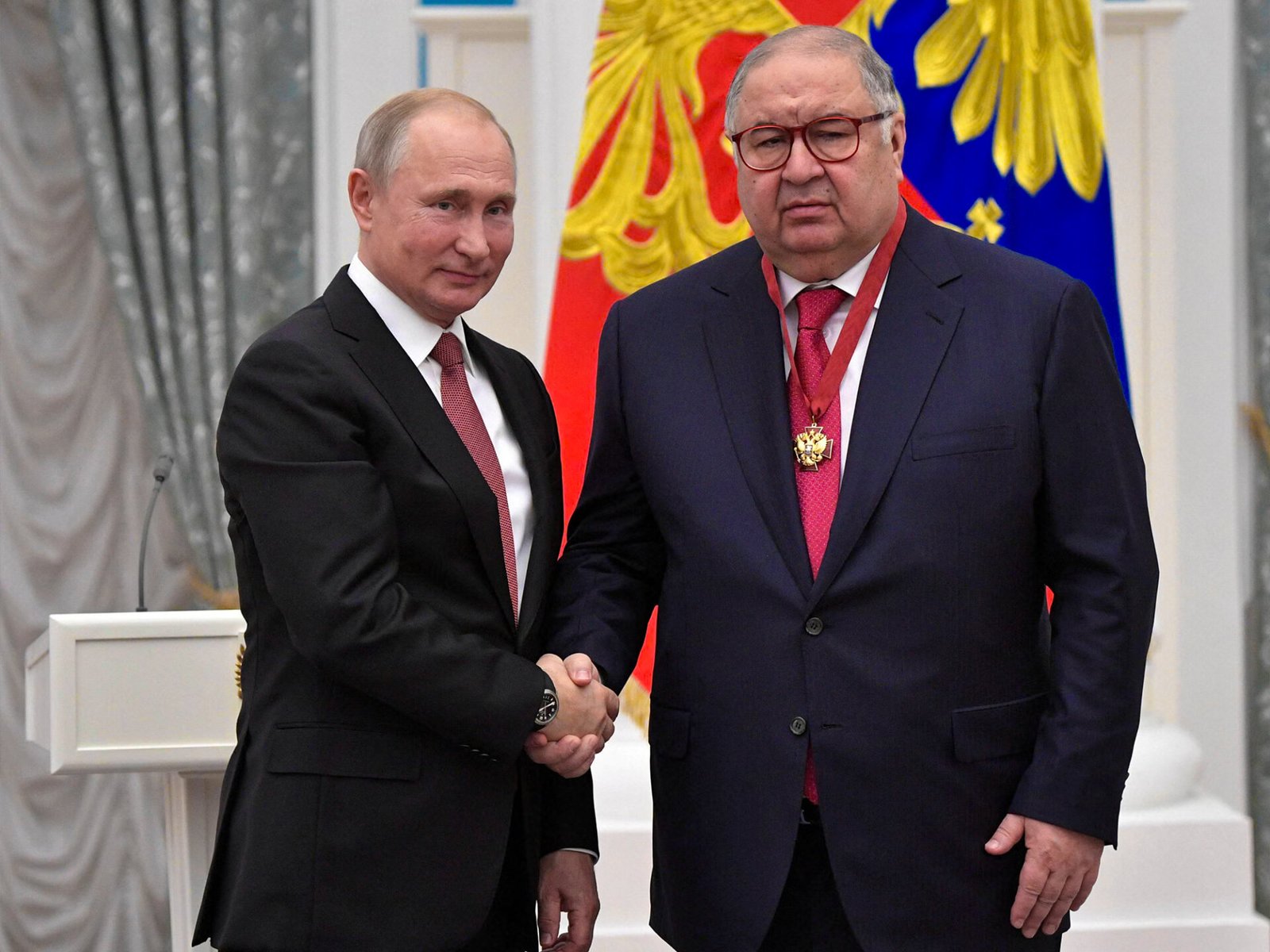
The European Union has agreed to remove Russian-Uzbek businessman Alisher Usmanov and Russian-Israeli businessman Mikhail Fridman from its sanctions list, while extending restrictions on more than 3,000 individuals and entities for three years.
The agreement was reached by the EU’s 27 member states as the deadline for renewing the sanctions approached. The measures include travel restrictions and asset freezes and will now run until September 2029.
Usmanov’s removal followed a request from France, which cited national security considerations. European diplomats reported that the issue was linked to wider diplomatic efforts involving French nationals held in Azerbaijan, although the details remain disputed.
Luxembourg sought similar treatment for Fridman. He is pursuing a legal case against the Grand Duchy over the freezing of his assets.
The decision followed difficult negotiations among EU governments. Latvia initially objected to the proposed compromise but ultimately abstained, allowing the wider sanctions renewal to proceed.
Ukraine criticised the decision. President Volodymyr Zelenskyy said the removal of names from the sanctions list was unacceptable, while Foreign Minister Andrii Sybiha described the move as “shameful and unjustifiable”.
The EU’s sanctions framework continues to cover senior Russian officials, banks, energy companies and parts of the country’s military-industrial sector. EU officials have also indicated that around 1,600 additional designations could be proposed next month.
The European Council said the latest decision extends individual restrictive measures for 36 months, covering more than 3,000 individuals and entities. The measures include travel restrictions, asset freezes and a ban on making funds or economic resources available to listed people and organisations.
Source: The Guardian
Official source: Council of the European Union
