

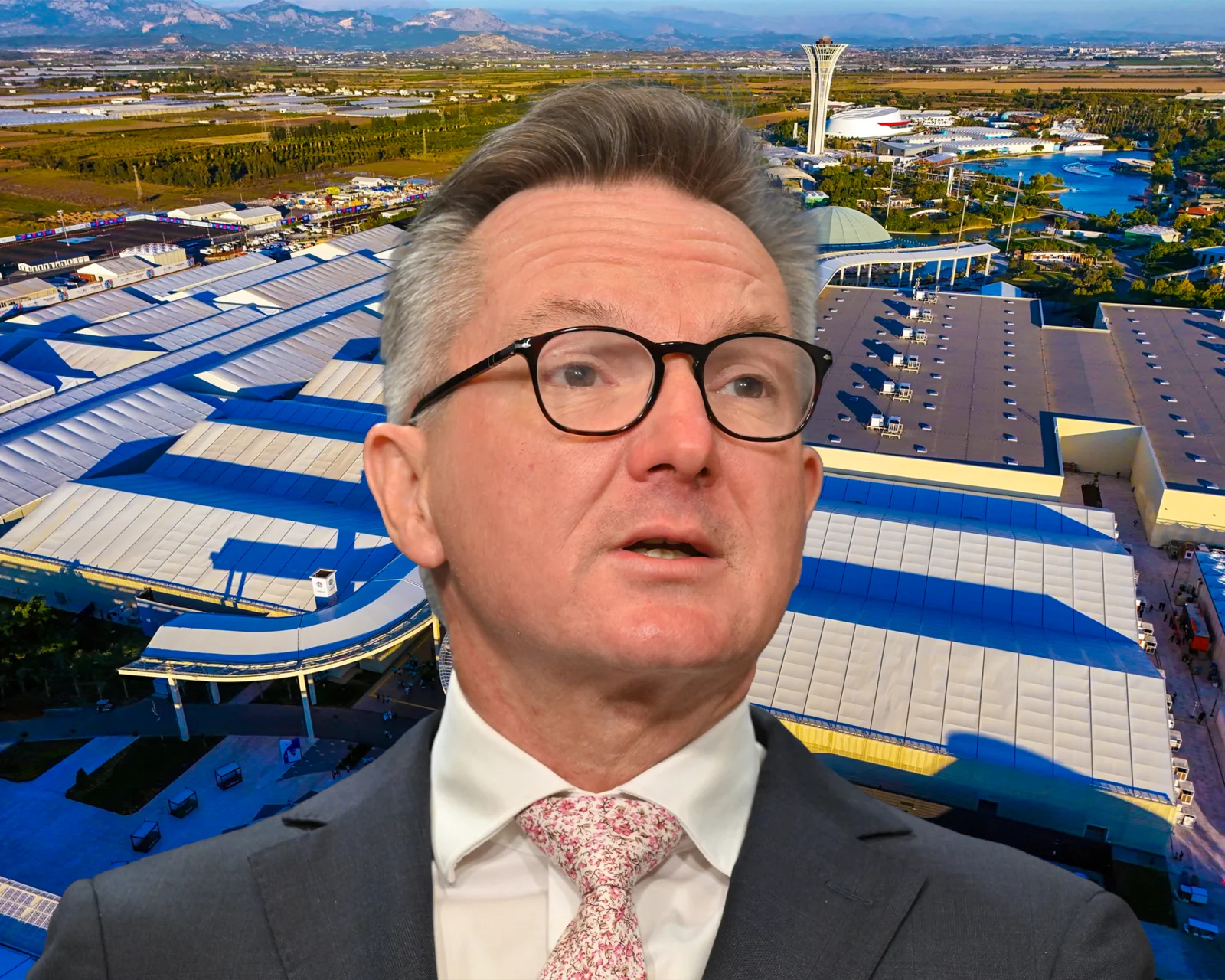
Australia will preside over the formal negotiations at COP31 as nearly 190 countries gather in Antalya, Turkey, for two weeks of United Nations climate talks. Climate and Energy Minister Chris Bowen says the summit must produce practical results that people can see, rather than another set of promises.
The conference begins on Monday, with countries facing disputes over how to fund climate action, how quickly greenhouse gas emissions should fall and how to support nations already experiencing severe climate impacts. The Guardian reports that global temperatures have broken records this year, moving beyond the 1.5C threshold set as an aim in the 2015 Paris climate agreement.
Australia to lead the formal negotiations
The summit has an unusual dual-host arrangement. The meetings are taking place in the Turkish city of Antalya, while Australia will preside over the formal negotiations. The arrangement follows a compromise reached last year after the two countries put forward competing bids.
Bowen, Australia’s climate and energy minister and president of the COP31 negotiations, told the Guardian that countries need a tangible outcome focused on implementing emissions cuts and climate finance. He said the result should represent progress on previous climate conferences.
Australia also wants the talks to give greater attention to low-lying Pacific nations, which face serious risks from rising seas and other climate impacts. Bowen said only 0.2 per cent of available global climate finance goes to small island developing states for adaptation.
Pressure over Australia’s coal and gas exports
Australia’s role in the negotiations is likely to attract scrutiny because the country remains one of the world’s leading exporters of coal and liquefied natural gas. Climate advocates and more than 500 Australian scientists have argued that the country should stop approving new coalmines and gas projects if it wants to avoid accusations of hypocrisy.
Both countries holding the COP31 presidency arrangements rely heavily on fossil fuels. Australia’s Labor government has committed to reaching net zero greenhouse gas emissions by 2050 and aims to generate more than 80 per cent of electricity from solar and wind by 2030. The Guardian reports that Australia is not on track to meet those targets.
Climate finance and the impact on vulnerable countries
Developing countries and civil society groups are expected to push for climate finance and climate justice to remain central to the negotiations. Adão Soares Barbosa, chair of the Least Developed Countries negotiating group, said keeping the 1.5C goal within reach, improving access to predictable finance, strengthening adaptation and addressing loss and damage were matters of survival for vulnerable countries.
Rukiya Khamis, the east Africa programme manager at 350.org, said communities across the region were facing prolonged droughts and destructive floods, while the money needed to respond remained out of reach for many of the countries most affected.
The United States will not send an official delegation to the summit for the second consecutive year, according to the report. However, 20 Democratic members of Congress have travelled to Antalya.
Energy transition also on the agenda
Turkey wants more countries to shift towards electric technologies, including electric vehicles and heat pumps. A proposal to have electricity account for 35 per cent of global final energy use by 2035 is expected to be discussed, although it faces opposition from some participants.
UN climate chief Simon Stiell said climate impacts were affecting every population and economy more severely each year, while many economies increasingly viewed climate action as a driver of jobs, growth and affordable, secure energy.
The negotiations will test whether countries can agree on practical steps to reduce emissions, improve climate finance and help vulnerable communities. For Australia and Chris Bowen, the challenge is to guide those discussions while the country’s own fossil fuel exports remain under international scrutiny.
