A biosecurity control order has taken effect around a major freight facility in Sydney after red imported fire ants were detected at Enfield in late September, prompting authorities to restrict the movement of materials that could spread the invasive pest.
The order, which came into effect on Monday, 26 October, covers a two-kilometre radius around the Enfield Intermodal Logistics Centre. The initial nest was detected on 23 September, and genetic analysis indicated the ants likely arrived from overseas in a shipping container, according to the NSW Government.
The restrictions do not prevent people from entering or leaving the zone or carrying out normal daily activities. Instead, they apply to the movement of materials that can carry fire ants, including soil, turf, mulch, hay products, potted plants and some heavy machinery or equipment. Businesses must meet applicable treatment and handling requirements before moving these materials out of or through the control zone.
Authorities say the order establishes a longer-term monitoring and compliance approach, expected to continue for six to 24 months. The NSW Government said nearly 400 public reports had been received since the initial detection, but surveillance teams had not found another nest. Nine detection dogs and about 60 personnel have been involved in surveillance and response work.
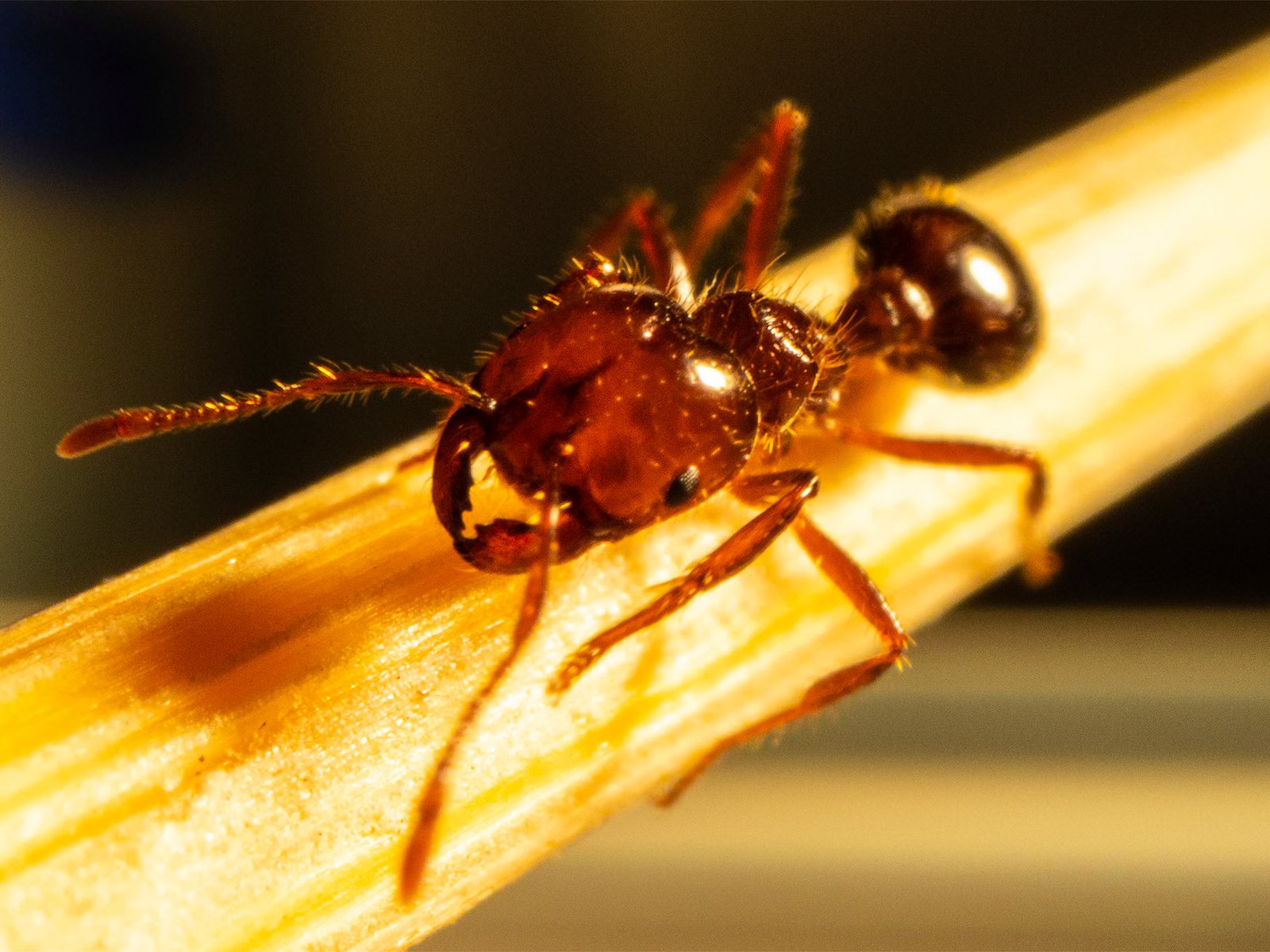
Red imported fire ants are small, reddish-brown insects whose painful stings can trigger severe allergic reactions in some people. They can also damage agriculture, affect native wildlife and create substantial costs if they become established. The ants spread primarily when people unknowingly move infested materials.
The NSW Government is urging anyone who suspects they have found fire ants or a nest not to disturb, treat or capture them. People should take a clear photo or video if it is safe to do so, then report the sighting through the NSW Biosecurity Helpline on 1800 680 244 or the department’s online reporting service.
Residents and businesses can check the official NSW Government fire ant guidance for details about the control zone and requirements for moving potentially affected materials. The order is intended to reduce the risk of the ants spreading while allowing everyday movement to continue.