


Europe is home to mountain huts that offer hikers a place to sleep, eat and shelter while surrounded by some of the continent’s most dramatic landscapes. From remote bothies in Scotland to high-altitude refuges in the Alps, these shelters combine practical hospitality with memorable mountain settings.
Here are 10 mountain huts and bothies highlighted for their locations, history and character.
Cabaña Verónica, Spain
Set at 2,325 metres in the Picos de Europa, Cabaña Verónica sleeps six and requires a substantial walk from the nearest cable car station. The unusual shelter was once a gun turret from a US Navy battleship scrapped in Bilbao in 1960 before being transported into the mountains and reassembled.
Låktatjåkko, Sweden
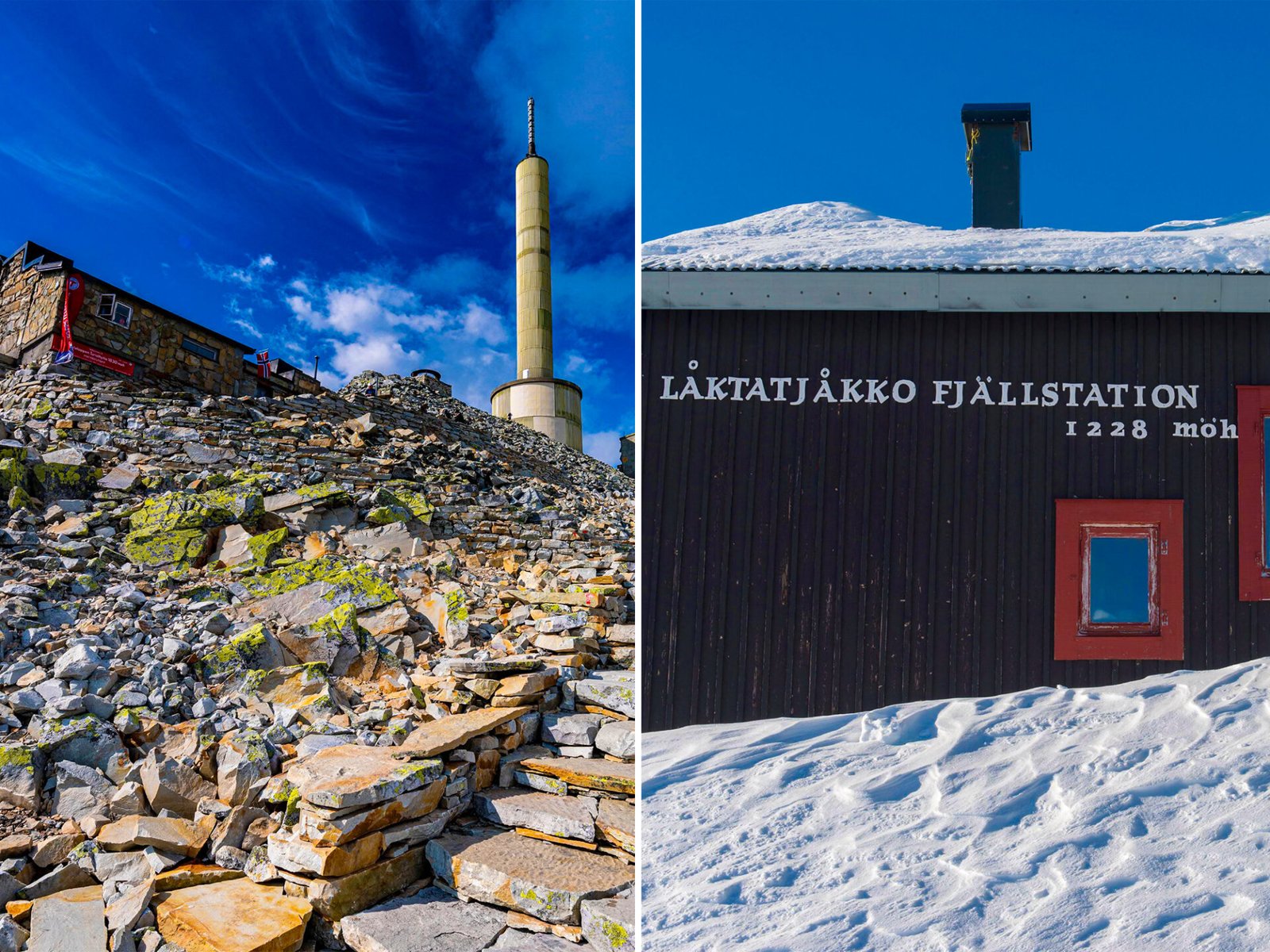
More than 100 miles north of the Arctic Circle, Låktatjåkko sits at 1,228 metres. The timber-clad hut is known for its cosy interior, Arctic setting and waffles served with cloudberry jam and cream. Winter visitors face extreme cold and rapidly changing mountain weather.
Gaustatoppen, Norway
Gaustatoppen combines a traditional mountain hut with an unusual approach. Visitors travel through a historic funicular and military tunnels before reaching the summit area. The underground route was part of a Cold War-era NATO communications station and now also functions as a museum route.
Chata pod Rysmi, Slovakia
Close to the 2,501-metre summit of Rysy, Chata pod Rysmi provides a basic refuge in the Tatra Mountains. The hut dates from 1933 but has been rebuilt after repeated damage from avalanches and rockfalls. It generally operates from June to October.
Kredarica, Slovenia
Kredarica is the final potential overnight stop for hikers heading towards Triglav, Slovenia’s highest peak at 2,864 metres. It can become busy during summer, while winter conditions are much more basic, with unheated dormitories for experienced mountaineers preparing for the summit.
Le Refuge de Ciottulu di Mori, Corsica
This refuge sits along Corsica’s GR20 long-distance trail at about 2,000 metres. It has a simple dining area and communal sleeping space for up to 26 people, with supplies traditionally brought in by mule.
Breiðuvik, Iceland
Breiðuvik is a coastal hut in eastern Iceland, with bunk rooms and a well-equipped kitchen. Its setting is a major attraction, overlooking a remote coastline of volcanic beaches and abandoned settlements. It forms part of a wider network operated by the Icelandic Touring Association.
Scotland’s mountain bothies
Scotland’s bothies are generally former cottages once used by miners or shepherds. Many now offer basic shelter, sometimes with fireplaces or wood burners. The Mountain Bothy Association maintains a network of these remote shelters, where visitors are expected to share facilities and leave them clean.
Rifugio Nuvolau, Italy
Built in 1883 in the Dolomites, Rifugio Nuvolau is accessible only on foot and is known for its mountain views and changing light. The refuge has a dining room serving meals and a small dormitory upstairs.
Rifugio Lagazuoi, Italy
Rifugio Lagazuoi sits on Mount Lagazuoi at 2,835 metres. Although a cable car now makes access easier for visitors, the refuge remains a base for mountain walks, including routes through tunnels and terraces dating from the First World War front line below.
Mountain shelters with a sense of place
These huts vary widely, from simple bothies and remote Arctic shelters to established Alpine refuges with easier access. What connects them is their location: each provides hikers with a way to experience Europe’s mountain landscapes from within them rather than simply viewing them from the valley.
Source: The Guardian
