

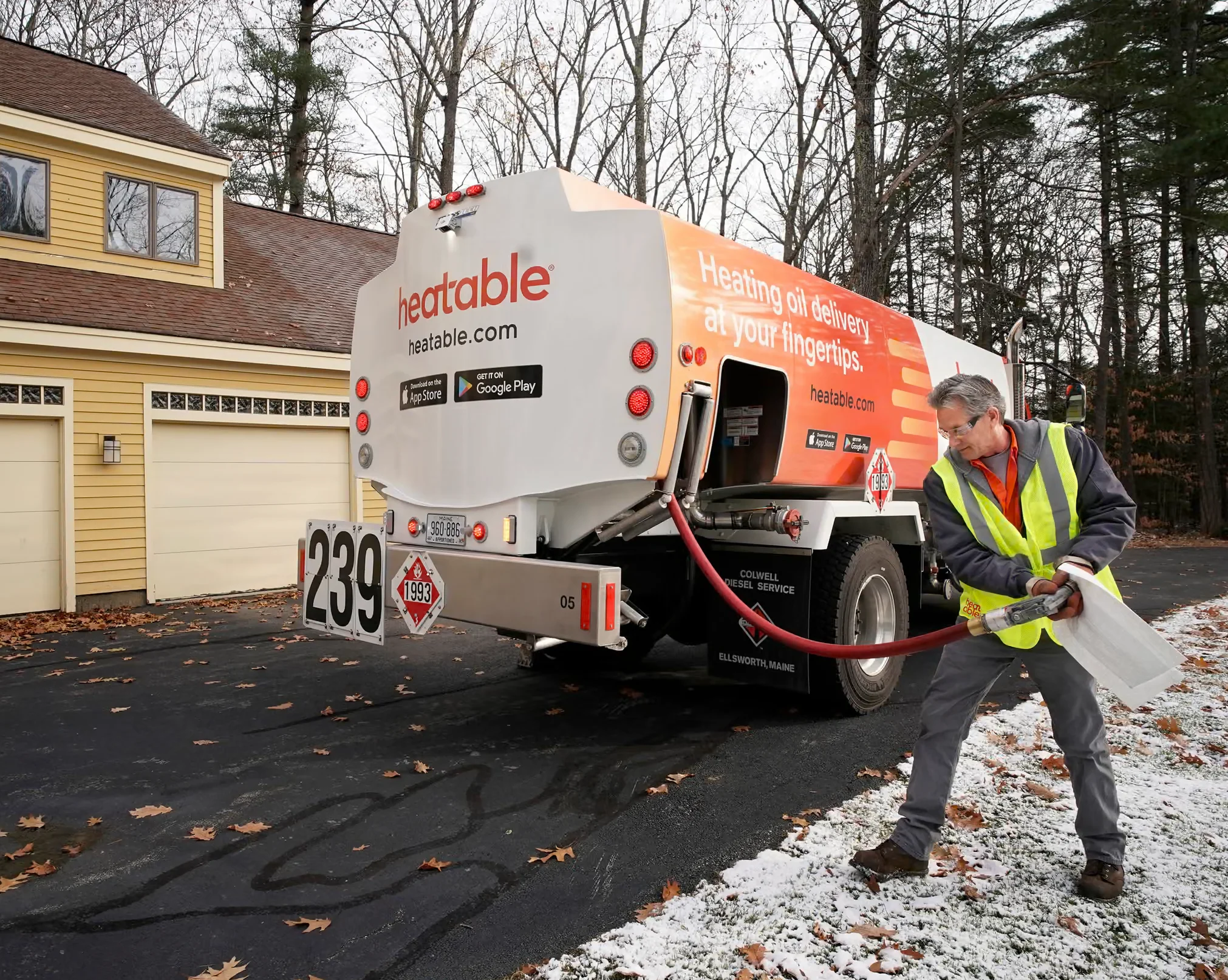
Millions of US households that rely on heating oil are facing significantly higher costs this winter, with some families cutting back on everyday spending to keep their homes warm.
The US Energy Information Administration expects households using heating oil to pay 21 per cent more this winter than last year. Warmer temperatures are expected to partly offset the increase.
About 3 per cent of US households use heating oil as their main source of home heating. During the winter of 2023–24, 4.79 million households relied on it, with 82 per cent of those homes located in the north-east.
A report from the National Energy Assistance Directors Association projects that heating costs will rise by more than 7 per cent nationwide. Average heating bills in the north-east are expected to increase by 16.9 per cent.
In Maine, where winter temperatures can fall below zero degrees Fahrenheit, residents say rising fuel prices are putting pressure on household budgets.
Heidi Unruh, 61, of Kittery, said the cost of heating oil for her home had doubled this year. Filling her 250-gallon tank now costs more than $1,500, and she needs a refill roughly every 47 days during cold weather.
“Between oil prices, tariffs, and rising food and energy prices, it will be an especially difficult winter,” Unruh said. She said she had grown more of her own food and cut back on unnecessary expenses to manage the higher costs.
Other families are changing how they heat and use their homes. Nikki Papadopoulos, who lives in Piscataquis County in central Maine, said her family had started using a wood stove because propane was also expensive.
Her household has reduced hot-water use and turned its thermostat down to the lowest comfortable setting. “We’re often cold in our own home,” she said, describing how family members wear extra layers indoors and have cut spending to the bare essentials.
Maine has the highest proportion of homes using heating oil in the US. Around half of households in the state relied on the fuel in 2024, although that share has declined in recent years.
Fuel delivery driver Justin Barnes, who works in the Bangor region, said customers were receiving bills much higher than in previous years. He described heating oil as a necessity for people living in colder parts of the country.
Rising heating costs are part of a wider increase in energy prices. The article reports that heating oil prices rose 74.2 per cent between September 2025 and September 2026, reaching more than $6 a gallon on average. Petrol prices have also increased by more than 30 per cent over the past year.
The war in Iran and the closure of a key oil trading route have contributed to the prolonged rise in energy prices, while Russia’s restrictions on diesel exports have also affected markets. Diesel and heating oil are closely related petroleum products.
Patrick De Haan, head of petroleum analysis at GasBuddy, said Russia exported 10 per cent of internationally traded diesel in 2025. Efforts by the Trump administration to reach an agreement with Russia to allow some diesel exports to the US have so far failed.
In Rhode Island, electrician Bob Carpenter said he paid $1,425 for about 240 gallons of heating oil last month, roughly $600 more than he had paid in previous years.
He said electricity bills had also risen, averaging about $350 a month compared with around $250 two years ago. Carpenter said the combined cost of groceries, housing, insurance and energy was leaving families with less money to cover unexpected expenses.
With winter approaching, households that depend on heating oil are preparing for another season of higher bills, difficult choices and efforts to make limited budgets stretch further.
Source: The Guardian, reporting by Michael Sainato, 16 November 2026.
