

Charities supporting refugees and migrants in the UK are facing growing harassment and threats, with many workers reporting that they feel less safe carrying out their work, according to a new report cited by writer Natasha Walter.
In an opinion article for The Guardian, Walter, founder of Women for Refugee Women, describes how hostility has changed the way charities operate. Some organisations have stopped sharing photographs of their activities or publishing their addresses online after images and information were used to fuel hostile coverage and abuse.
A report by Asylum Matters and Praxis, based on a survey of more than 200 charities, documents harassment directed at charity workers, including rape and death threats. It also records incidents in which intruders filmed staff at their workplaces and called them “traitors” and “parasites”. Nearly three-quarters of respondents said they felt less safe delivering services than they had three years earlier.
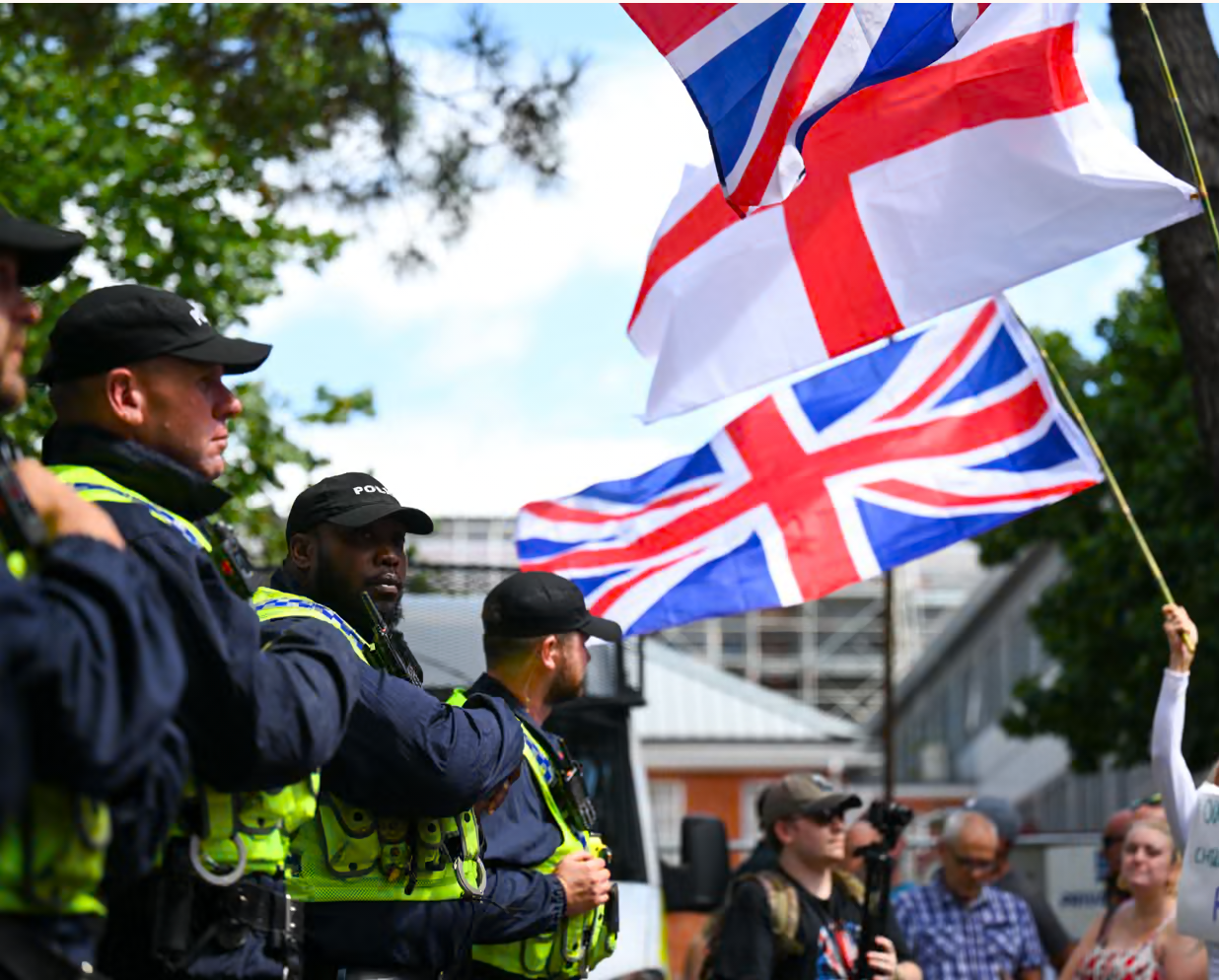
Walter says charities that once held public events and built open connections with local communities are now having to consider additional security measures. She recounts an incident in which men forced their way into a church event organised by an anti-racist group, filming and shouting before the meeting was cancelled and police were called.
Women for Refugee Women continues its work but now considers measures such as removing staff details from its website and hiring private security for public events. Its co-director, Andrea Vukovic, told Walter that refugee women themselves are among those most affected by the hostile climate.
The article says the pressure is not limited to organisations supporting migrants. It also refers to Royal National Lifeboat Institution volunteers being menaced by rightwing activists. Walter argues that hostility can be amplified when misleading claims about charities are repeated by media outlets and politicians.
She cites the case of City of Sanctuary, which faced a backlash in 2025 after activities in schools promoting welcoming messages about refugees were portrayed as inappropriate. The Charity Commission later cleared the organisation of wrongdoing, but Walter says the controversy led to abuse directed at its staff and trustees.
Walter argues that charities, volunteers and community groups should be able to work openly without fearing harassment. She warns that when organisations become afraid to host meetings, share their work or support vulnerable people, the impact extends beyond the charities themselves and affects the wider community.
