

A strengthening El Niño is raising concerns about worsening floods, droughts and extreme heat around the world, as climate risks take centre stage at the COP31 United Nations climate summit in Türkiye.
The World Meteorological Organization (WMO) says the current El Niño is expected to become very strong, potentially bringing significant changes to global rainfall and temperature patterns through the coming months and into 2027. WMO forecast
The US National Oceanic and Atmospheric Administration (NOAA), in its 12 November 2026 forecast, said there was a greater than 79 per cent chance that a strong-to-very-strong El Niño would continue through January to March 2027. It also estimated a 60 per cent chance of an event exceeding previous El Niño strengths recorded since 1950. NOAA forecast
El Niño is a naturally occurring climate pattern involving warmer-than-average sea surface temperatures in the central and eastern tropical Pacific Ocean. It can disrupt normal weather patterns, increasing the likelihood of heavy rainfall in some regions while contributing to drought and hotter conditions in others.
The potential humanitarian consequences are particularly concerning in East Africa. The UN Refugee Agency (UNHCR) has warned that severe flooding associated with a very strong El Niño could displace between 770,000 and three million people across Somalia, Kenya, South Sudan and Uganda by the end of 2026, depending on how conditions develop. UNHCR warning
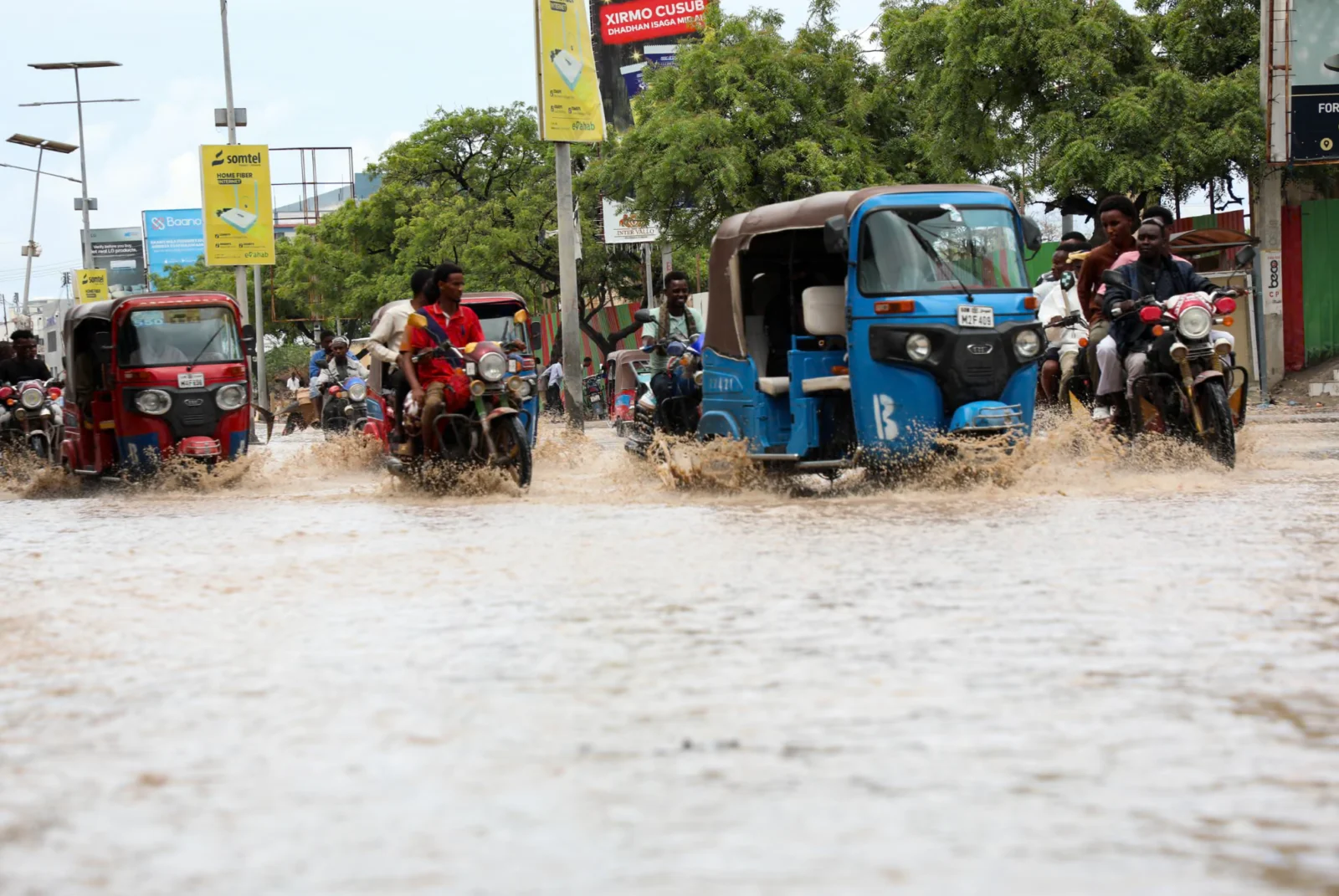
The warning comes as Somalia and other parts of the region continue to face serious climate and humanitarian pressures. Flooding can destroy homes, damage infrastructure, disrupt food supplies and force communities to leave their homes.
Other regions are also facing climate-related risks. The Guardian reports that extreme weather has contributed to wildfires and crop failures in Indonesia, coastal flooding in the United States, drought in Sudan and severe flooding in countries including Ecuador and Somalia.

The WMO has described the developing El Niño as a potential risk multiplier, warning that its effects could compound existing humanitarian and environmental challenges.
Climate finance is another major issue at COP31. Vulnerable countries are calling for greater financial support to prepare for extreme weather, protect communities and recover from climate-related losses.
The developing situation highlights the importance of early warnings, disaster preparedness and international cooperation as countries face the possibility of more severe weather conditions in the months ahead.
