

Thousands of Queenslanders could struggle to keep using their electric bikes under new state requirements, with only nine authorised inspection locations operating across the state and some regional riders facing hundreds of kilometres to have their bikes checked.
The scheme, announced by the Queensland government on 2 November, requires e-bikes used in public to meet the Electrically Power-Assisted Cycle (EPAC) assurance scheme and carry a sticker confirming they have been assessed by an approved retailer. Owners have until February to complete the check, which has a capped cost of $70.
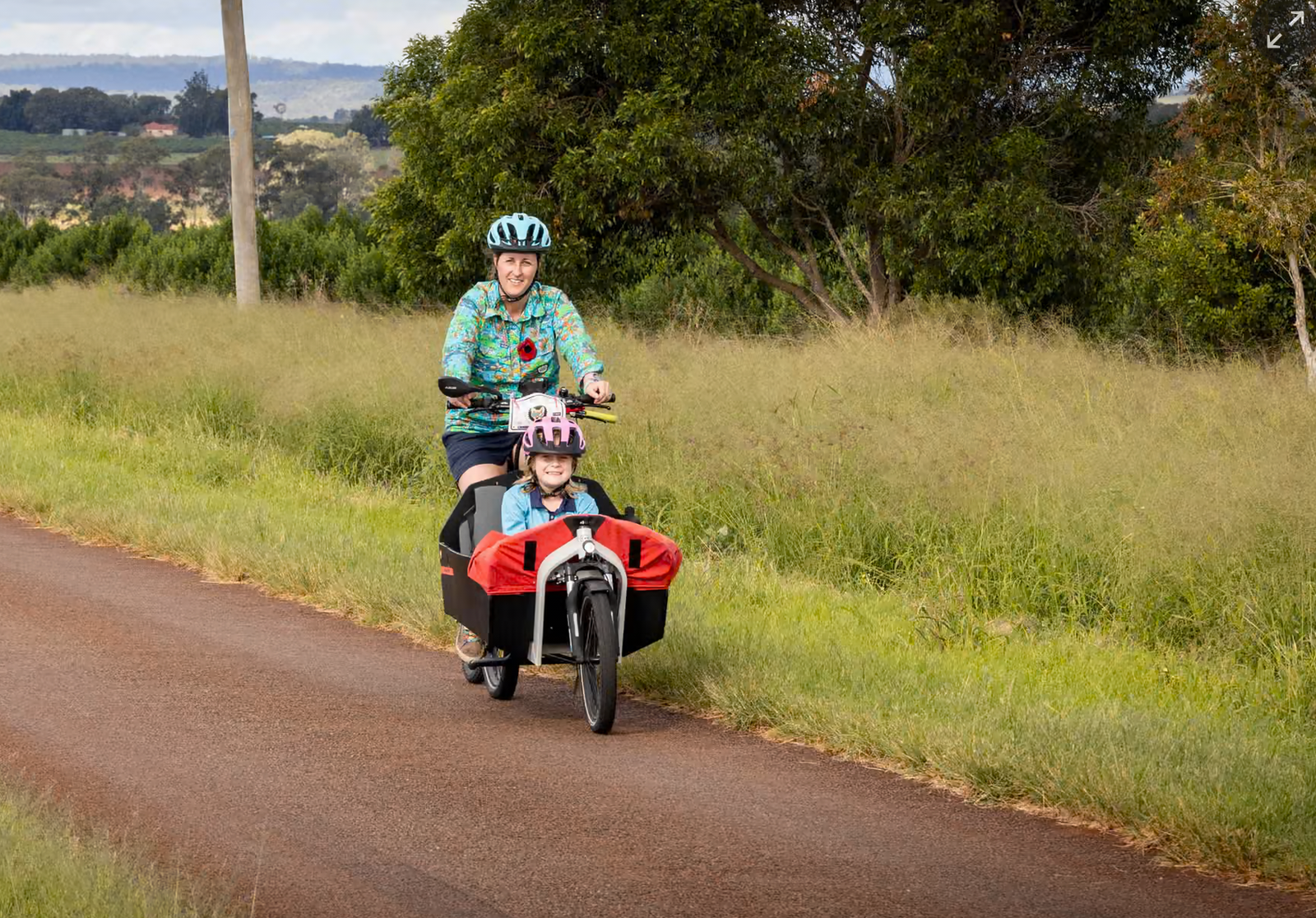
Bundaberg resident Rhianna Steindl says her cargo e-bike meets the technical requirements but does not have the required sticker. The nearest authorised location is in Rockhampton, 287km away, leaving her unsure how she can comply before the deadline. She says she has stopped riding the bike and is now using her four-wheel drive for everyday trips.
The bike had helped Steindl avoid thousands of dollars in petrol and vehicle running costs over six years. She used it to commute and take her children to school in a regional town where cycling infrastructure is limited.
Bikes Queensland chief executive Matt Burke estimates between 20,000 and 50,000 otherwise legal e-bikes across the state do not yet have a sticker. He said some riders in northern Queensland could be almost 700km from an authorised verifier, warning: “If you live north of Rockhampton, bad luck.”
A University of Queensland study published last month estimated there are about one million e-mobility devices in Queensland, representing a fleet worth about $2.2 billion. Study author Dr Richard Buning estimates at least 200,000 legal devices may need a sticker. The research found about a third of Queensland households own an e-mobility device, including around 28% of households in remote areas.
Burke said most major retailers had declined to join the scheme because the work was labour-intensive and commercially unattractive. He described the issue as a funding decision, saying the government had not adequately funded the service.
Peter Bourke, general manager of Bicycle Industries Australia, said the number of participating shops would increase. He hoped about 20 stores would be online by the end of November, with more expected in the new year. He said an assessment should take about 30 minutes.
Queensland’s Department of Transport and Main Roads says alternative arrangements may be available for people in rural and remote areas without reasonable access to an authorised verifier, potentially including a temporary conditional permit. The department has promised an update early next year, but details have not yet been released.
The changes have prompted concern among active transport advocates, who say the scheme could push regional residents back into cars. Buning said e-bikes had helped more people replace car trips, particularly people who might otherwise find conventional cycling difficult.
The Queensland government says authorised verification locations are operating and more are expected to come online in the coming weeks.
