

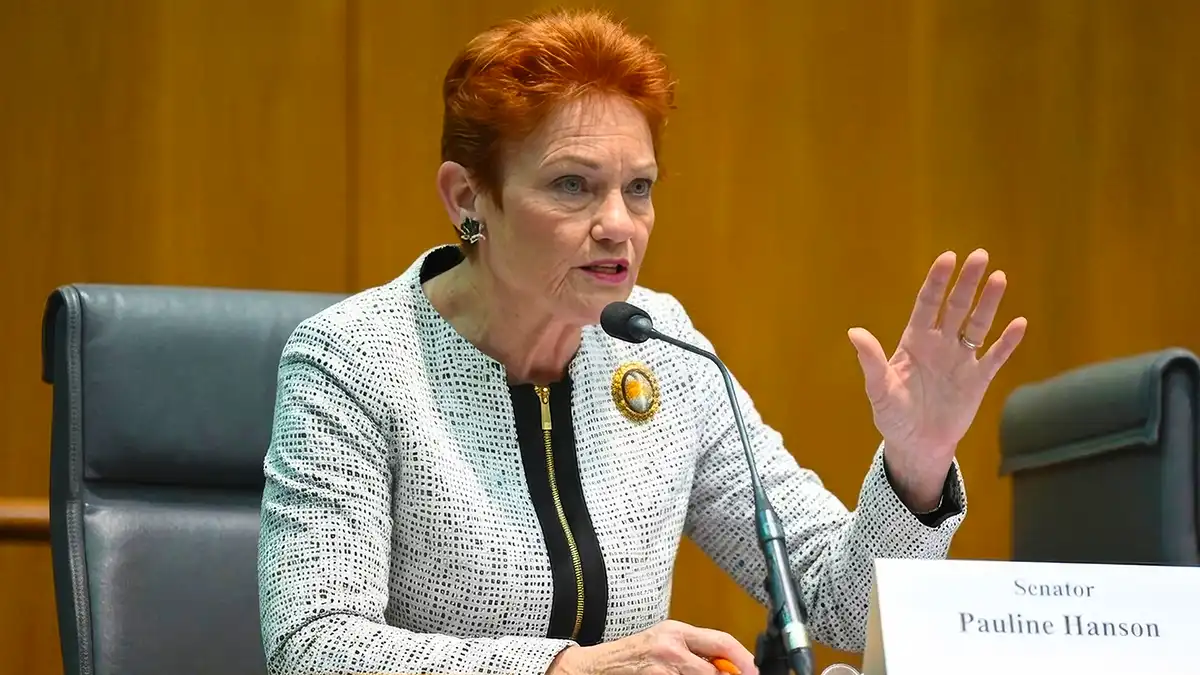
The Liberal and National parties are facing growing internal debate over how to respond to rising support for One Nation, as the conservative minor party continues to attract voters traditionally aligned with the Coalition.
Recent preference decisions have highlighted a shift in strategy among Coalition parties, with Liberal organisers directing preferences towards One Nation in selected contests rather than maintaining the longstanding approach established during the John Howard era.
The issue has become increasingly sensitive as Coalition figures weigh the potential electoral benefits of working more closely with One Nation against the risks of alienating moderate voters in metropolitan electorates.
Preference Strategy Under Scrutiny
The debate intensified following the Farrer byelection, where Liberal supporters were encouraged to direct preferences to One Nation ahead of an independent challenger.
The move reflected concerns within the party about maintaining support among conservative voters and preventing further erosion of its traditional base.
A similar approach was adopted during this year’s South Australian election and in several electorates during the 2025 federal election campaign.
These decisions marked a departure from the position historically associated with former prime minister John Howard, whose leadership period was characterised by resistance to formal preference arrangements involving Pauline Hanson’s party.
The changing electoral landscape has prompted Coalition strategists to reassess how best to compete against a minor party that increasingly appeals to conservative Australians dissatisfied with mainstream politics.
One Nation’s Growing Influence
One Nation’s rising support has become a significant concern for both Liberal and National party leaders.
The party’s growth is creating pressure across conservative politics, with some within the Coalition worried that One Nation could further strengthen its position among right-leaning voters.
As a result, some Coalition figures argue that preference arrangements may be necessary to limit electoral damage and retain influence in key regional and rural areas.
Supporters of closer cooperation contend that directing preferences towards One Nation can help prevent conservative votes from being fragmented, particularly in contests where independent candidates pose a challenge.
The argument has gained traction among those who believe the Coalition must adapt to shifting political realities if it hopes to remain competitive across a broad range of electorates.
Concerns From Moderate Liberals
Not everyone within the Liberal Party is comfortable with the strategy.
Moderate Liberals have expressed concerns that closer association with Pauline Hanson and One Nation could complicate efforts to rebuild support in major cities.
The party has lost a number of urban electorates in recent years to Labor and teal independents, many of whom campaigned on issues including climate policy, integrity measures and political moderation.
Critics of preference deals argue that any perceived alignment with One Nation risks reinforcing negative perceptions among centrist voters the party needs to win back.
They fear the strategy could make it more difficult to regain seats that were once considered safe Liberal territory.
The debate reflects broader questions about the party’s future direction and how it balances competing electoral priorities across metropolitan, suburban and regional Australia.
A Strategic Challenge for the Coalition
The discussion surrounding One Nation preferences highlights the challenge facing Coalition parties as Australia’s conservative political landscape continues to evolve.
On one hand, the Coalition must respond to growing competition from One Nation and protect support among conservative voters.
On the other, it faces pressure to reconnect with moderate voters in urban centres where electoral success increasingly depends on appealing to a broader audience.
How the Liberals and Nationals navigate that balance may become a defining question in future elections.
For now, the debate over preference arrangements remains a clear sign of the strategic tensions emerging within Australia’s conservative movement as parties assess how best to respond to changing voter behaviour.