

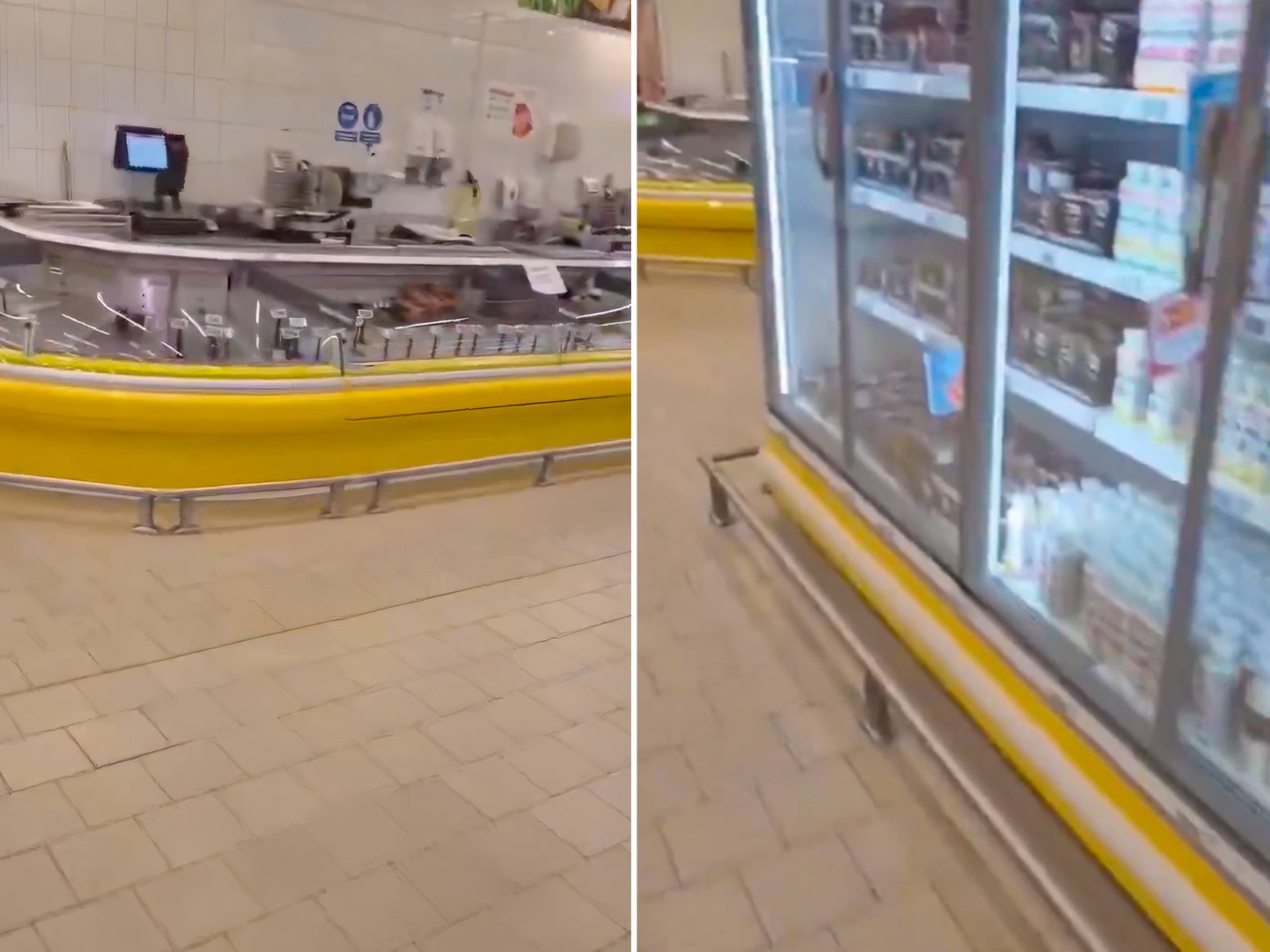
Cyberattacks disrupted refrigeration systems at supermarkets across seven European countries on 2 November, forcing retailers to remove chilled and frozen food after temperatures rose in stores from Belgium and Sweden to Ireland and Estonia. The incidents affected equipment used by several major chains, although the scale of disruption varied between retailers and investigators have not identified those responsible.
Retailers and authorities reported problems in Belgium, Sweden, the Netherlands, Estonia, Luxembourg, Finland and Ireland. In Belgium, Ahold Delhaize said an overnight IT incident affected refrigeration equipment in several dozen stores, while Carrefour reported problems at 15 of its more than 700 Belgian locations. Colruyt confirmed incidents at five shops. The affected stores remained open in many cases, but some products had to be discarded or temporarily removed from sale.
In Sweden, ICA and Coop reported refrigeration problems at a limited number of outlets. One ICA franchise store in Stockholm told Reuters its freezers had reached 50 degrees Celsius, while Coop said seven of its more than 800 stores were affected. In Ireland, Musgrave, the owner of SuperValu, said refrigeration systems in 13 stores had been affected and chilled and frozen products were taken off sale. Estonia also reported an incident involving a supermarket cooling system, which its technology supplier said was quickly contained.
The reported method involved remotely changing the settings of connected refrigeration controls, including switching equipment into defrost mode. Stephan Moelans, chief executive of Belgian refrigeration installer Sabcobel, told Belgian media that the latest Belgian incident used the same mechanism seen in France in October. Danfoss, whose control technology was involved in incidents in both waves, said outdated software or firmware had left some systems exposed and that it was working with customers on protective measures.
The European Union’s agriculture commissioner, Christophe Hansen, described the repeated incidents as a deliberate attempt to disrupt the food supply chain and undermine consumer confidence. He said food security in the EU was not currently at risk, but warned that food waste and the impact on businesses were real. Hansen said he would raise the issue with fellow commissioners. Belgium’s federal prosecutor has opened an investigation, while Sweden’s National Cybersecurity Centre has also been examining incidents affecting grocery stores.
The latest disruption follows a larger attack in France on 12 October, when refrigeration systems at hundreds of supermarkets were compromised, temperatures rose as high as 50 degrees Celsius and stores reported substantial food losses. French authorities opened an investigation and the country’s cybersecurity agency was involved. No group has claimed responsibility for the incidents, and public evidence has not established that the separate national cases were all directed by the same attackers.
The incidents have exposed the risks created when essential store equipment is connected to remote management systems that are poorly secured or no longer receive updates. Cybersecurity researchers have warned that refrigeration controllers can be exposed to the internet and may allow outsiders to change temperatures or operating cycles if access controls are weak. Retailers and equipment operators are being urged to restrict remote access, secure networks and replace or update unsupported systems. The investigations have yet to establish who carried out the latest attacks or whether the incidents were centrally coordinated.
