

Carbon dioxide removal is gaining attention at the COP31 climate summit in Antalya, Turkey, as campaigners and technology advocates push for a larger role for methods that take carbon dioxide directly out of the atmosphere.
The renewed focus comes as the United Nations has acknowledged that global temperatures are expected to exceed the 1.5C threshold set under the Paris climate goals. Scientists have warned that further warming will increase the risks of heatwaves, floods, droughts and other severe impacts.
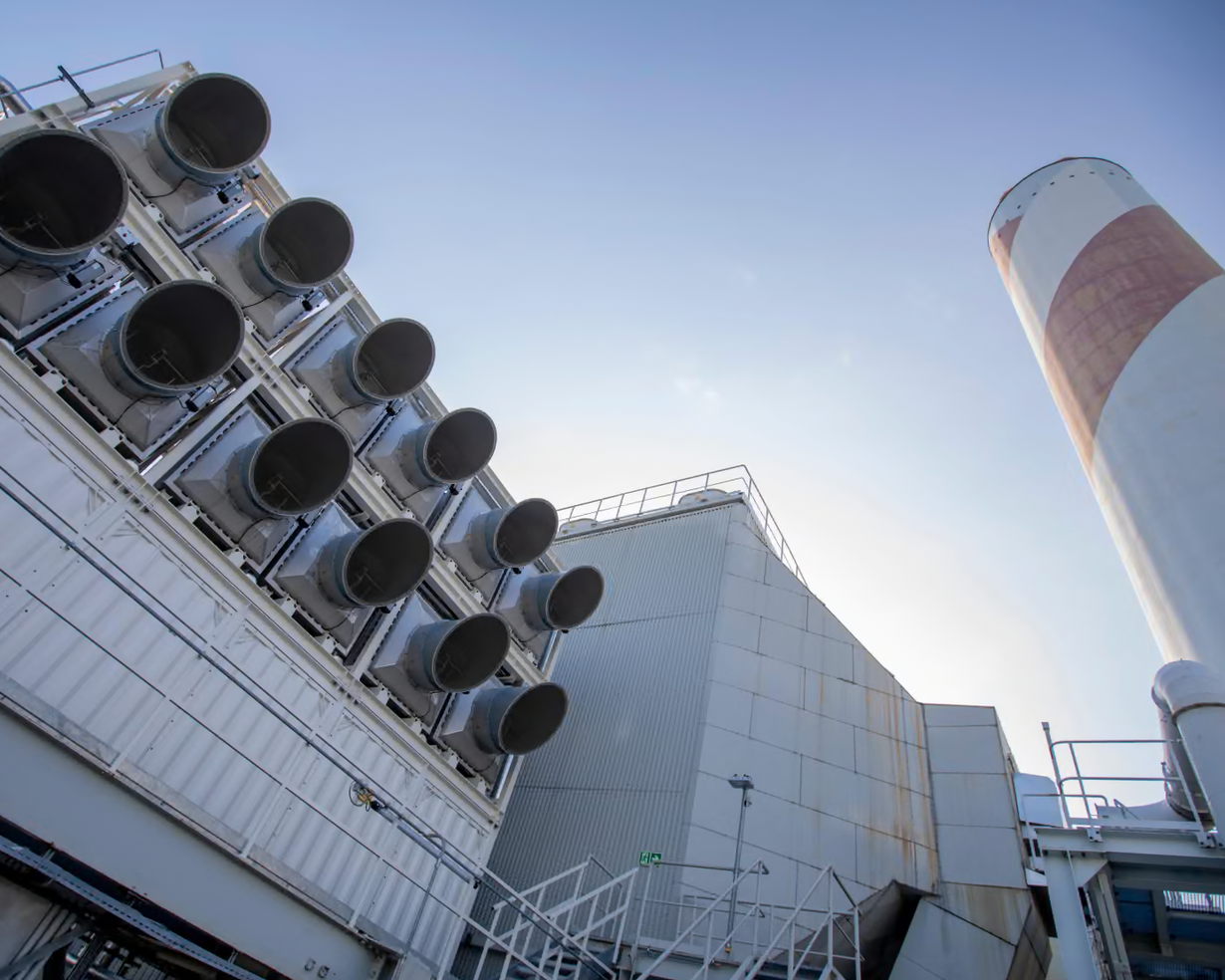
Carbon dioxide removal, often called CDR, involves extracting carbon dioxide already present in the atmosphere and storing it. Proposed storage options include deep underground, in oceans or in products that can retain the captured carbon.
At COP31, supporters have established a pavilion called Think Negative to promote a significant expansion of carbon removal. They argue that removing carbon dioxide could help address the effects of emissions that have already accumulated in the atmosphere.
Some advocates are also calling for a new international agency to coordinate carbon removal efforts. They have urged Turkey and Australia, which are jointly presiding over the talks, to include CDR in the summit’s final outcome.
“CDR still sounds unreal to people but we spent a whole year trying to make it into the agenda of COP31,” said Göker Avci, a decarbonisation strategist at CDR Türkiye. He said discussions with the summit presidency had begun to recognise the technology’s potential.
The debate also includes carbon capture and storage, or CCS. Unlike CDR, which removes carbon dioxide from the air, CCS captures emissions at the source, such as an industrial facility, before storing them underground.
According to the Center for International Environmental Law, a record 700 lobbyists at COP31 are advocating for CCS. The organisation said this number exceeds the combined representation of the 50 smallest national delegations.
Environmental groups have raised concerns about CCS because of its cost, mixed track record and the risk that it could extend reliance on fossil fuels. However, both CCS and CDR appeared for the first time in a text circulated on Friday that is expected to help inform the basis of a final agreement at the climate talks.
The growing interest in carbon removal comes amid warnings that the world is heading towards a period of temperature overshoot, even as countries continue efforts to reduce greenhouse gas emissions.
CDR advocates argue that rapid removal of carbon dioxide may be needed to bring temperatures back down after an overshoot. The technology remains the subject of debate over its scale, costs, effectiveness and role alongside direct emissions reductions.
As negotiations continue in Antalya, the inclusion of carbon removal and carbon capture in the draft discussions highlights a wider debate over how governments should respond to the climate crisis and what role emerging technologies should play.
Source: The Guardian, Oliver Milman, COP31 live coverage, 16 November 2026.
