

Skagway, a small coastal town in Alaska with about 1,100 permanent residents, is facing growing pressure from a cruise tourism boom that brings more than a million visitors each summer but leaves the community quieter and short of services when the ships depart.
The seasonal change begins in October, when shops reduce their opening hours, businesses close and many of the workers who arrive for the busy months leave. The cruise season runs from April, and the latest available figures show that more than 1.35 million cruise passengers visited Skagway in 2025, alongside more than half a million crew members.
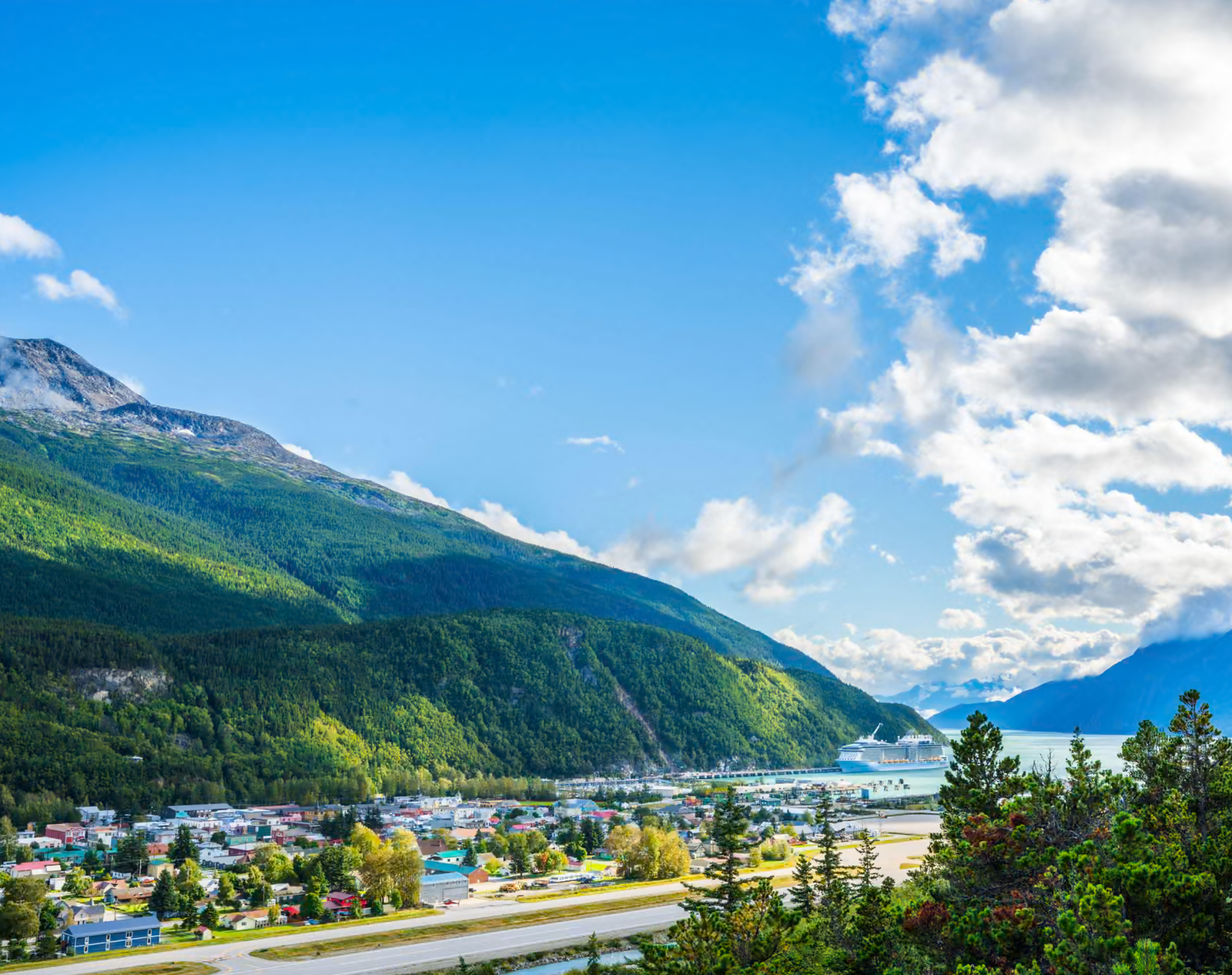
That influx places pressure on a town whose housing, services and infrastructure were designed for a population of roughly 1,000. Seasonal employees arrive in late winter and stay until early autumn, adding to demand for accommodation and essential services in a community with limited room to expand.
Mayor Orion Hanson says the town’s year-round economy is a major concern. He has questioned what Skagway can offer residents during winter when familiar gathering places disappear. The Sweet Tooth cafe, once a longstanding diner open throughout the year, has closed and its former premises are now used by a seasonal jewellery retailer. Two local restaurants remain open outside the cruise season, but with limited hours.

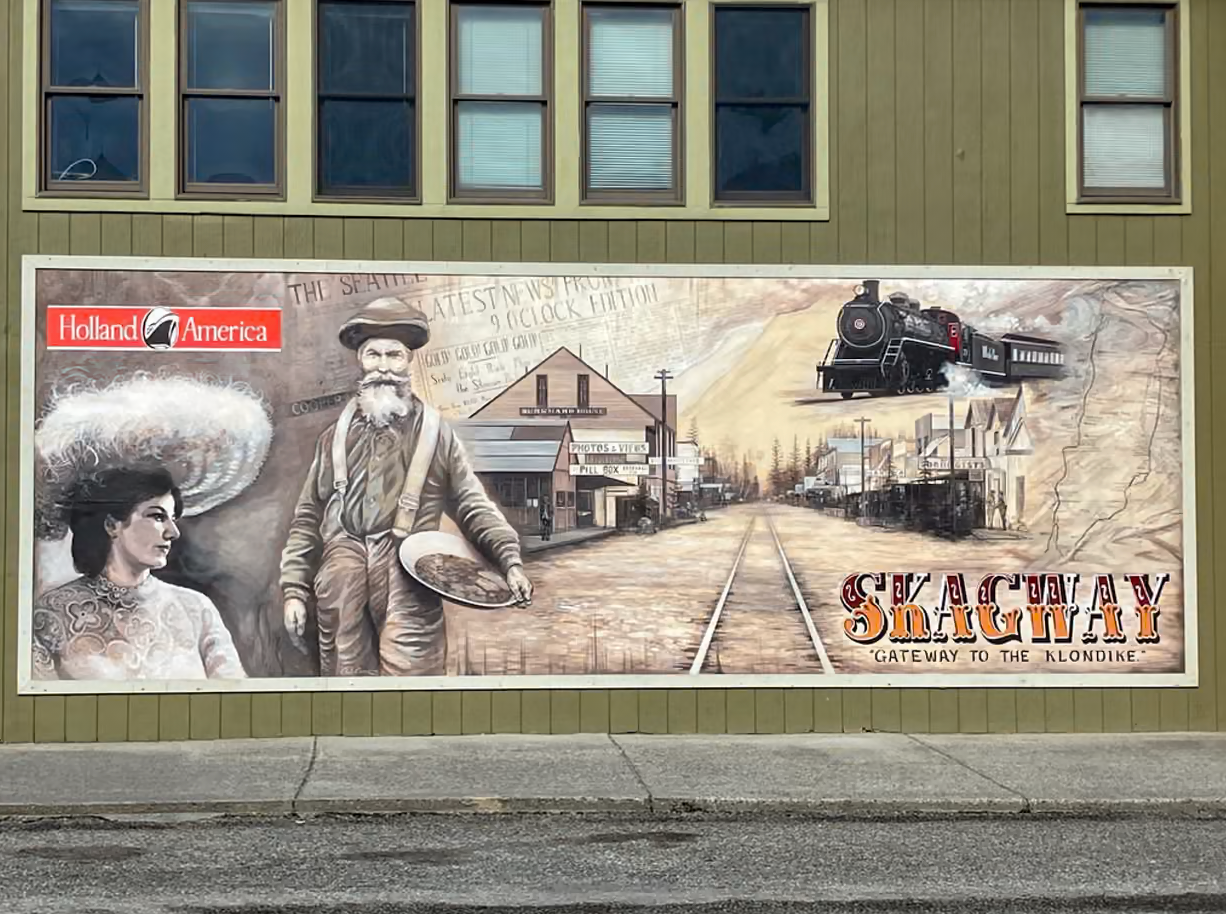
The town’s history shows how sharply its fortunes can change. Skagway grew to about 10,000 people during the Klondike gold rush and became Alaska’s first officially incorporated city in 1900. By 1910, after the gold rush subsided, its population had fallen to about 600. Today, the swings associated with tourism can happen within a single day, as thousands of passengers arrive from ships and leave again by evening.
Housing is one of the most difficult problems. A 2023 report commissioned by the Skagway Development Corporation counted 644 housing units in the town. More have been added since, but the supply has not kept pace with demand from permanent residents, seasonal workers, businesses and the people needed to maintain essential services.
As accommodation has become harder to find, a wide range of spaces have been used for seasonal workers, including warehouses, family homes, tents and recreational vehicles. Al Wall, director of the Dahl Memorial Clinic, described people sharing crowded accommodation, sleeping on couches or even using hammocks in the woods.
Changes to local rules that ended season-long camping also contributed to the pressure, pushing some seasonal workers towards houses that had previously been occupied by year-round residents.

Janilyn Heger, who owns Skagway Spirits with her husband Gary, said the end of the town’s former campsite arrangements had created a damaging chain reaction. She said employers began buying buildings and displacing housing that had been available to permanent residents. Heger and her husband had previously managed the town-owned campsites.
Other local business owners say the shortage is also changing the type of tourism the town receives. Mike Healy converted the Sergeant Preston’s hotel into seasonal accommodation after he could not find land to build enough housing for employees. Jonathan Hillis, a town assembly member and owner of the Mountain Shop, says fewer places are now available for independent travellers, reinforcing the town’s dependence on cruise visitors.
The pressures are being debated across Alaska’s Inside Passage, the coastal route that links communities surrounded by mountains, forests and glaciers. In Juneau, about 100 miles south of Skagway, a voluntary daily limit on cruise ship dockings followed repeated attempts to curb visitor numbers. Ketchikan has reported receiving more ships as cruise operators adjust to Juneau’s limits, while Sitka is reviewing its agreements ahead of an anticipated rise in visitors in 2027.
A survey by Oregon State University found differing views among Skagway residents. Just over 40% of respondents said tourism’s benefits outweighed its costs, while 25% believed the costs were greater. Another 33% considered the relationship roughly balanced.
As the 2026 season winds down, communities along the Inside Passage are examining cruise schedules for 2027 and 2028 and considering how much growth they can manage. Hanson says Skagway has limited options because of its reliance on the industry, warning that decisions must be made carefully to avoid putting the town’s economy at risk.
The challenge for Skagway is not simply how to manage the crowds during summer. It is how to ensure that a tourism industry bringing millions of visits and seasonal jobs does not make it harder for the people who live there all year to find housing, essential services and a functioning local community.
Source: Molly McCluskey, Guardian Australia, 11 November 2026. This article is based on the supplied report.
