

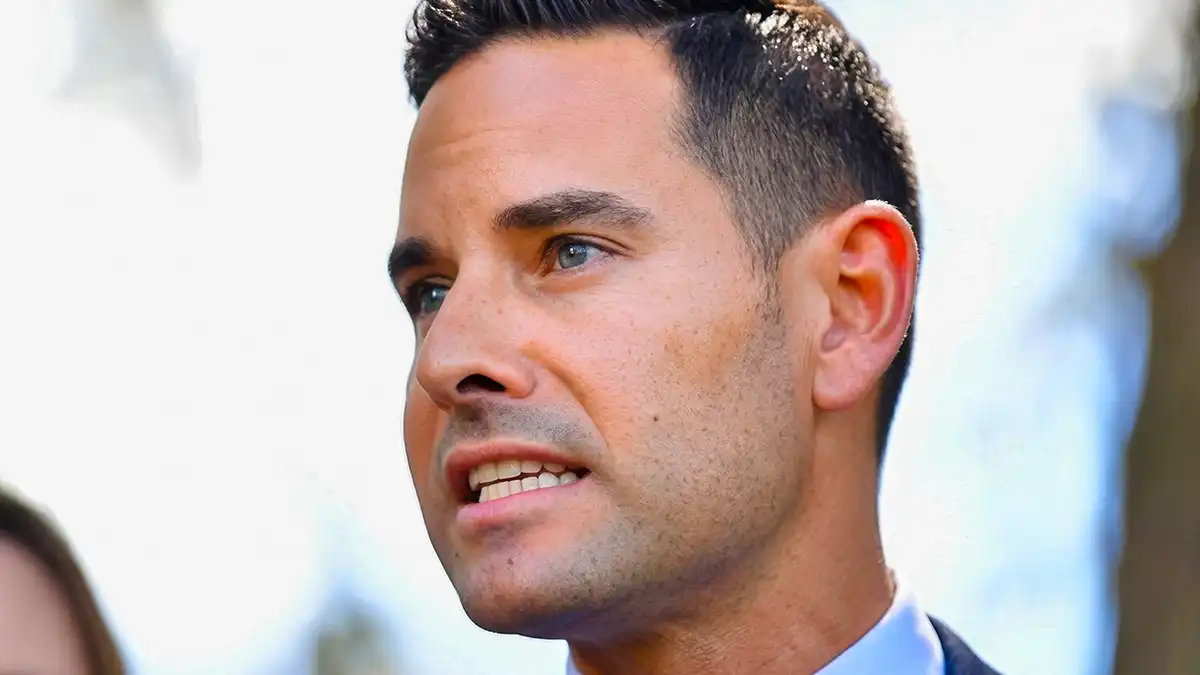
A federal court has dismissed an appeal by former New South Wales MP Mark Latham, upholding a ruling that he defamed Sydney independent MP Alex Greenwich in a social media post made during the 2023 state election campaign.
Following the decision, Greenwich said “justice prevailed” after a legal battle that began more than three years ago.
“Justice is a long game,” Greenwich said in a statement.
“More than three years ago, Mr Latham defamed me in a sexually aggressive social media post that subjected me to an avalanche of homophobic hate.”
Appeal dismissed
The federal court’s decision leaves in place a September 2024 ruling that found Latham had defamed Greenwich through an explicit post on social media during the state election campaign.
Greenwich said Latham had failed to accept responsibility for his actions.
“He failed to take responsibility for his actions. Today, justice prevailed: his appeal has been dismissed and the judgment in my favour upheld,” he said.
Latham, a former federal Labor leader who later served as a One Nation MP before becoming an independent member of the New South Wales parliament, had challenged the original judgment.
Greenwich welcomes ruling
Greenwich described the past several years as difficult and thanked family, friends and colleagues for supporting him throughout the legal proceedings.
He said the ruling carried broader significance beyond the personal dispute.
“This is an important judgment at a time when politics is too often charged with divisive vitriol,” Greenwich said.
He argued the federal court’s decision, together with the original judgment and a previous NSW Civil and Administrative Tribunal ruling, demonstrated that such conduct had no place in Australian public debate.
“Like the original judgment and the NCAT ruling, it makes clear there is no place in Australian civil discourse for the kind of conduct Mr Latham engaged in.”
The appeal’s dismissal means the original defamation finding in favour of Greenwich remains in force.