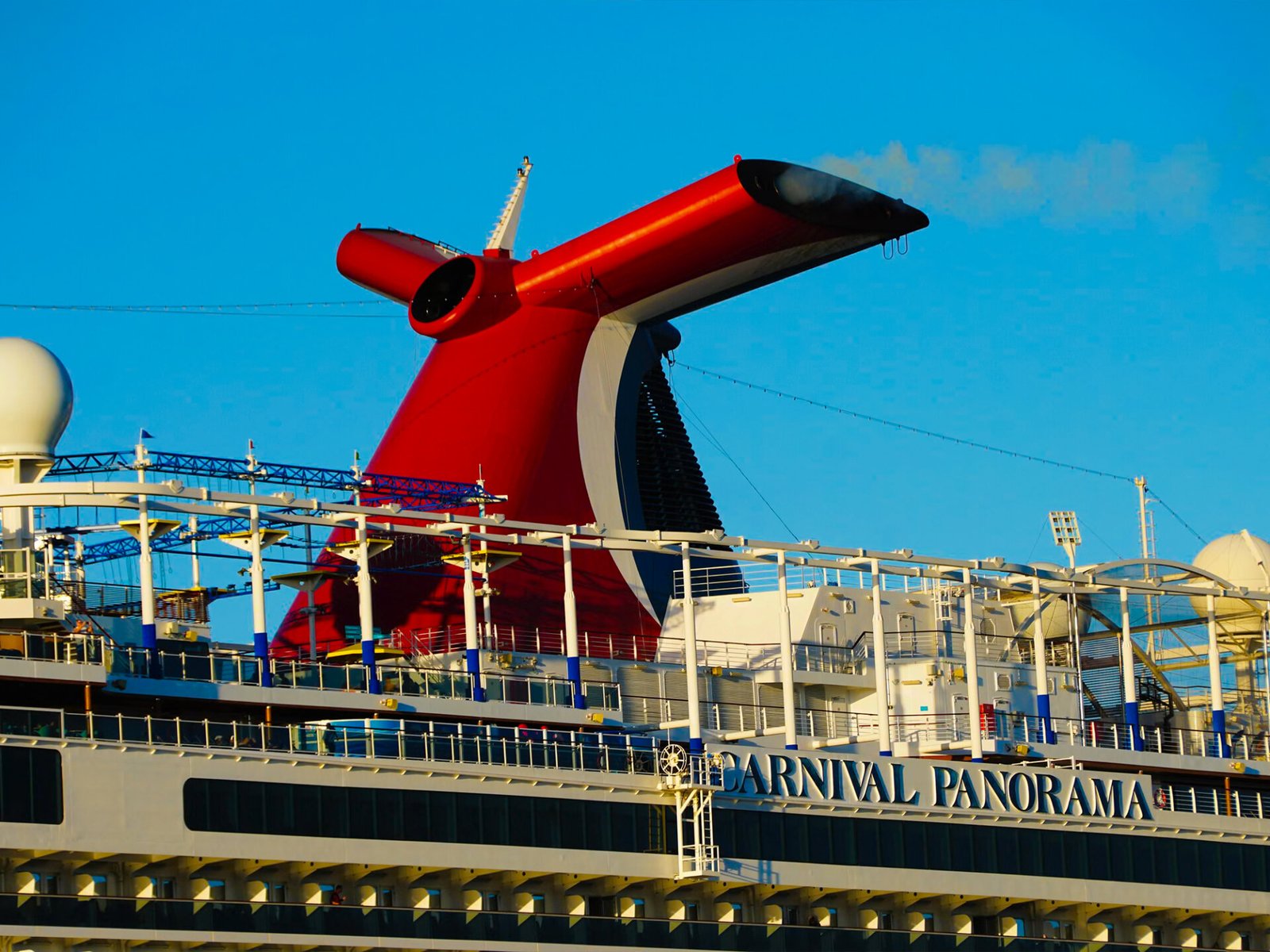
A 56-year-old man is missing after he reportedly went overboard from a Carnival cruise ship while it was returning from Mexico to California.
Carnival said onboard cameras captured a male passenger going overboard from the Carnival Panorama on Saturday. The circumstances leading up to the incident remain unclear.
The ship had sailed from Long Beach, California, to Puerto Vallarta, Mexico, on 13 September and was returning from the Mexican resort town when the incident occurred.
The US Coast Guard has launched a search for the missing passenger. The agency said fixed-wing aircraft were deployed and that it was coordinating the search with the Mexican Navy and commercial vessels in the area.
The search remained ongoing in the latest update provided to news outlets.
Carnival said it was supporting the passenger’s family. A passenger aboard the ship told ABC7 that crew members asked guests to return to their rooms after announcing that they were looking for an individual.
The circumstances surrounding the man’s disappearance have not been publicly established.
Source
By Australia By Aussie
Leave a Reply