

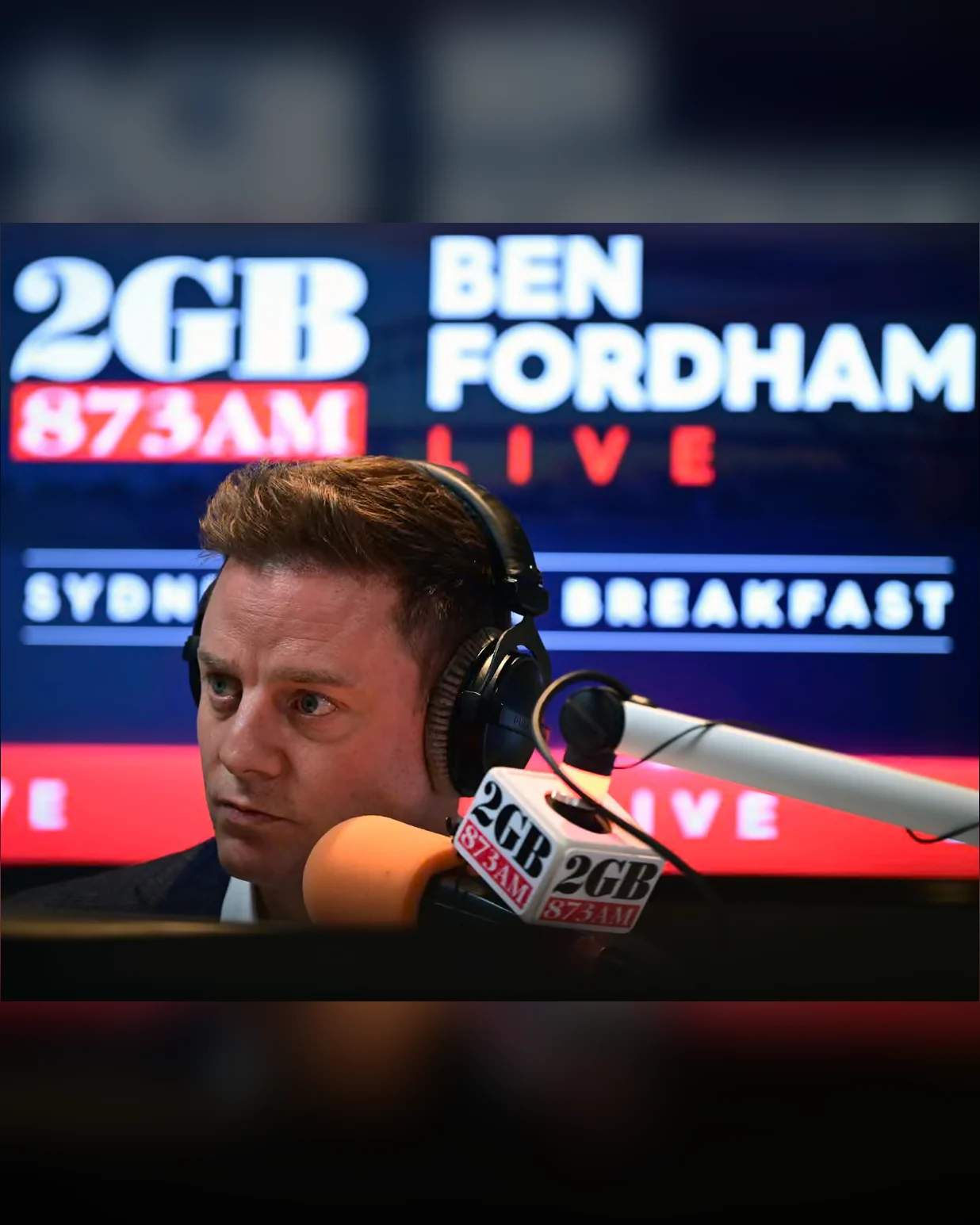
2GB breakfast host Ben Fordham has defended an independent film-maker whose documentary screenings and promotional tour were shelved after he appeared on a podcast that included anti-immigration remarks.
Kane Guglielmi, the maker of Common Wealth, said he was being punished for appearing alongside former army veteran Sam Bamford on the 2 Worlds Collide podcast. The film is described as following a conservatively raised capitalist who travels the world to explore alternatives to established economic and political systems.
On his radio program, Fordham told listeners Guglielmi had been cancelled simply for taking part in a podcast. He also questioned whether the film-maker had said anything controversial. But the Guardian’s Amanda Meade reported that the 90-minute discussion included Bamford criticising mass immigration and saying he did not want Australia to be demographically replaced by large numbers of people from India, Africa and the Middle East. Guglielmi laughed along when an offensive term was used during the conversation and said he expected to get into trouble afterwards. He also said the distributor’s stated objection was to the podcast host and views it considered racist.
A spokesperson for Tapt Media, which now owns 2GB, said Fordham was not presenting the claims as his own view and was reporting what Guglielmi had said. Distributor Madman Entertainment did not respond to questions about whether the film had been withdrawn or why, although Common Wealth was no longer listed on its website.
The media report also covered an allegation involving Indigenous journalist John Paul Janke, the Indigenous affairs editor at SBS and NITV. Janke said he learned through a 60 Minutes report that a One Nation staffer had allegedly directed a racist slur at him after he questioned Pauline Hanson about her party’s Indigenous affairs policies at a National Press Club event in June.
Former One Nation staffer Charles Swindon told investigative journalist Nick McKenzie he had witnessed the alleged comment. Janke said the incident was deeply personal and reflected the abuse Indigenous Australians can face in public life. One Nation’s Treasury spokesperson, Barnaby Joyce, said such language would be unacceptable if used, but questioned whether the allegation was true.
There were also contrasting accounts of end-of-year celebrations across the media. An invitation to the ABC’s Canberra politics bureau said the broadcaster was short of money and that its partly subsidised Christmas gathering would be limited to staff, with partners and children excluded. Staff were also told to choose between two possible locations rather than attend both. The report said ABC management subsidises catering but not alcohol.
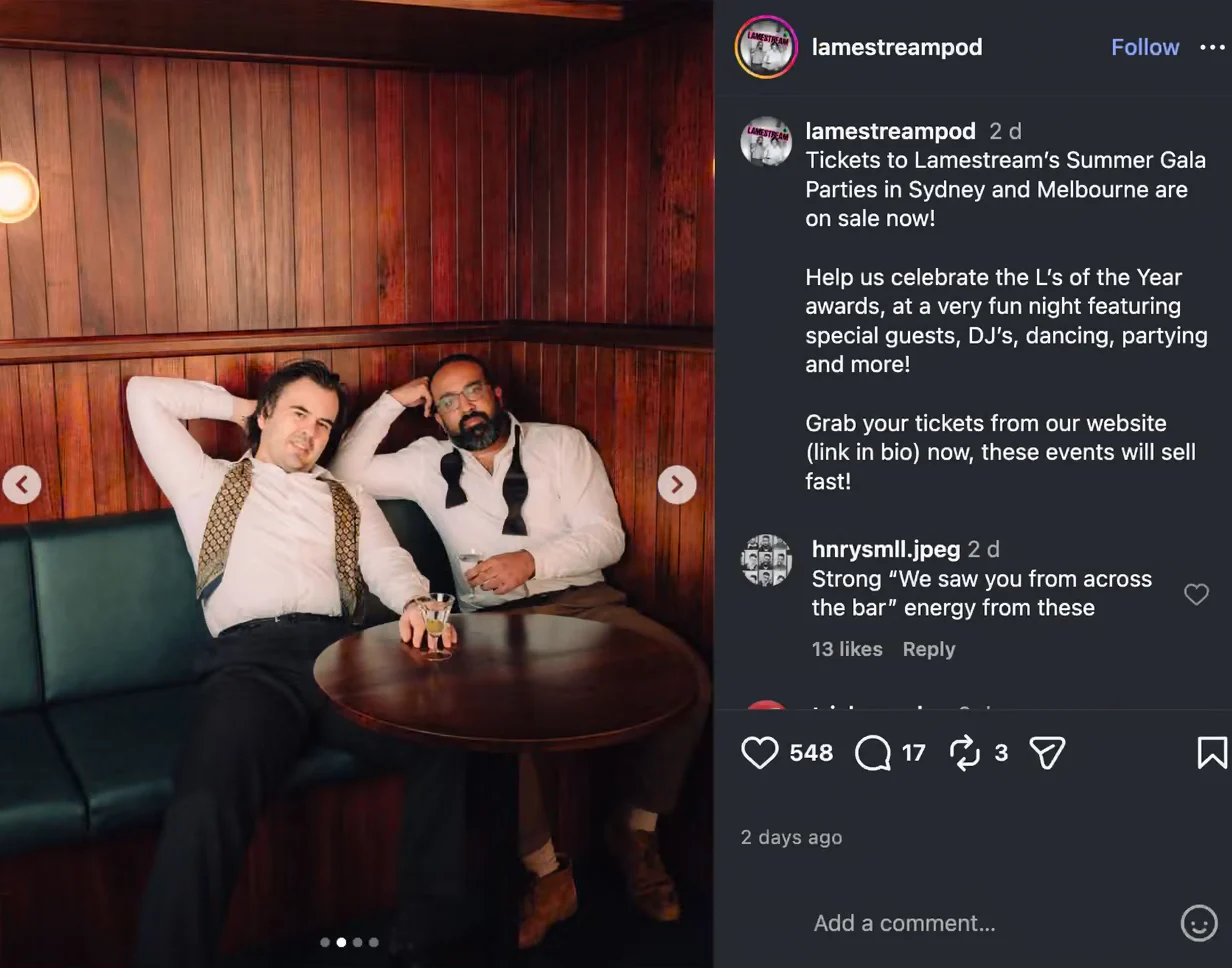
By contrast, independent outlet Lamestream, run by journalists Osman Faruqi and Scott Mitchell, promoted Summer Gala events in Sydney and Melbourne with DJs, dancing and drinks.
Some Sydney Morning Herald print subscribers are also facing steep price rises. One reader said a Monday-to-Friday home-delivery subscription had increased from $60.67 to $123.50 a month. Nine said print is costly to produce and deliver as the market shrinks, and that a small number of older print-only subscriptions were being moved to current prices. Roy Morgan figures cited in the report put average readership at 374,000 for weekday editions and 479,000 on Saturdays, compared with 3.1 million across the masthead’s platforms.
At the COP31 climate summit in Antalya, Turkey, former prime minister Malcolm Turnbull criticised News Corp journalist Sophie Elsworth’s report about free coffee at the Australian pavilion. Elsworth questioned the government spending tens of thousands of dollars of taxpayers’ money on the coffee cart. Turnbull told the Guardian she had challenged people collecting coffee to thank taxpayers, describing the approach as “positively ghoulish”. He said similar coffee carts were common at other national pavilions.
