
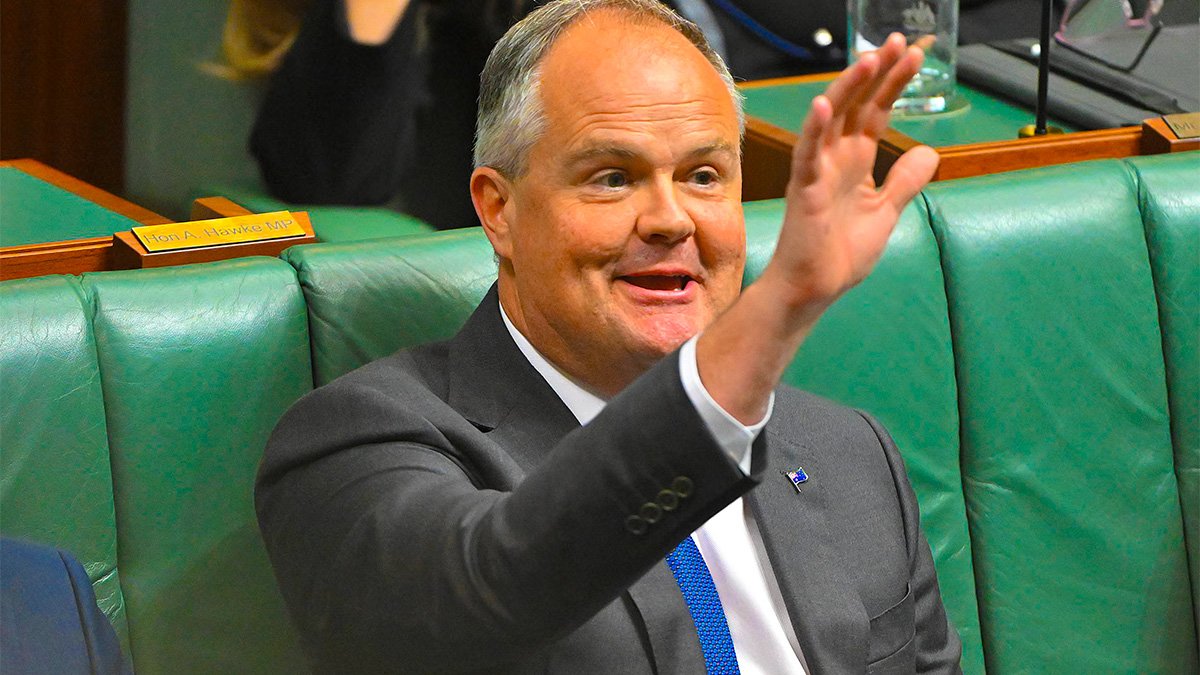
Shadow treasurer Ted O’Brien has renewed attacks on Treasurer Jim Chalmers after the Reserve Bank’s rate hike, blaming what he calls “Jimflation”.
O’Brien coined the term late last year and has revived it as the Coalition ramps up pressure on the government over inflation and interest rates.
Speaking on Sky News, O’Brien argued the rate rise was driven by excessive government spending.
Pressed repeatedly on where a Coalition government would cut spending to offset costs, O’Brien declined to nominate specific programs.
He said the focus should be on “offsets”, arguing governments had a responsibility to make room in the budget for their spending priorities.
Asked again to outline savings, O’Brien kept his response broad, saying tax settings needed to be “lower” and “fairer”.
The comments come as the government faces sustained political fallout from the rate rise and growing debate over the drivers of inflation.
Coalition rules out CGT changes
The Australian Financial Review reported this morning the government could be considering winding back the 50% capital gains tax discount for property investors.
The Greens are currently conducting a federal inquiry into the tax concession, with calls from the NSW government for the policy to be reconsidered.
Asked whether the opposition would support any changes to capital gains tax, O’Brien ruled it out.
He accused Labor of targeting taxpayers to fund spending, saying the Coalition would not support Treasurer Jim Chalmers “pinging Australians for more money”.
Crossbench joins spending pressure
Independent MP Zali Steggall also piled pressure on the government to rein in spending, arguing it was contributing to inflation.
Speaking on the Today Show, Steggall said the government needed to reassess its spending priorities.
She said while the Reserve Bank had pointed to strong private sector demand, government spending had now risen to 28% of GDP, raising questions about what expenditure was genuinely helping Australians.
Nationals senator Matt Canavan, appearing alongside Steggall, said the rate hike marked a “bad day for Australian homeowners”, blaming what he described as economic mismanagement.
