


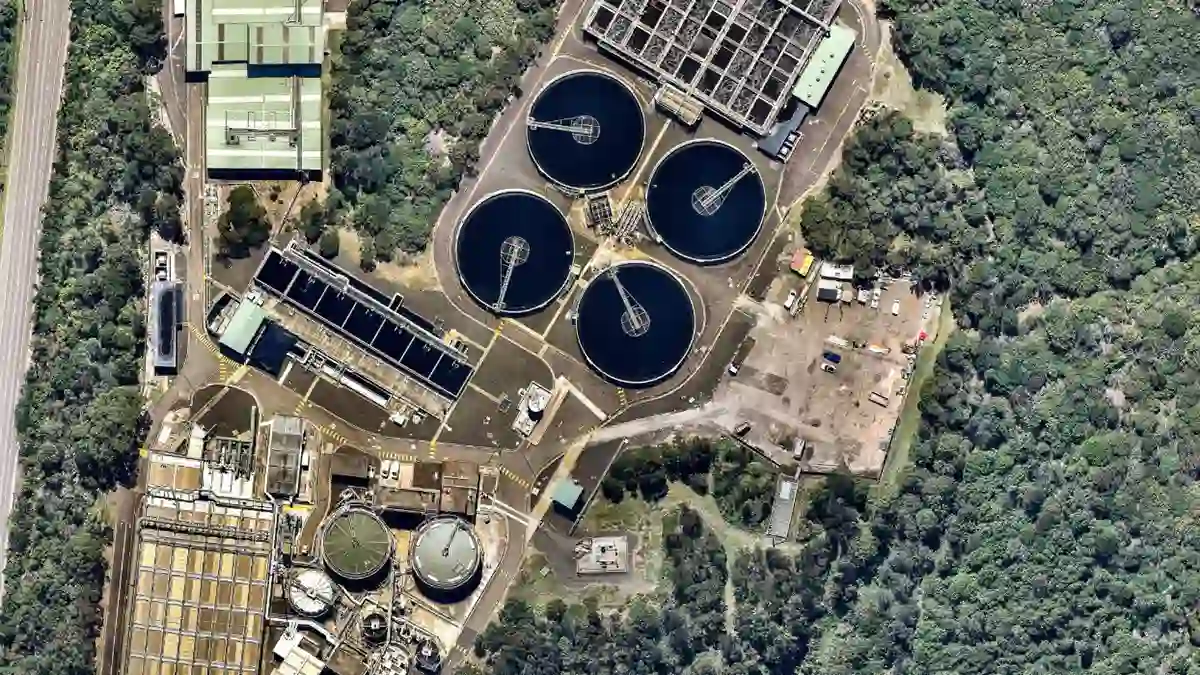
The New South Wales government has urged residents to stop flushing wet wipes and pouring grease down drains after authorities linked a massive underground “fatberg” at a Sydney wastewater plant to mysterious debris washing up on city beaches.
The warning came from Rose Jackson during a parliamentary budget estimates hearing on Thursday, where the issue was raised following recent reporting about unusual white “poo balls” appearing along parts of the Sydney coastline.
Jackson confirmed that investigators believe the source of the problem lies at the Malabar Wastewater Treatment Plant, one of the city’s major sewage treatment facilities operated by Sydney Water.
Speaking during the hearing, Jackson partly blamed the problem on the growing use of so-called flushable wipes and the disposal of cooking oils and fats through household drains.
“So goodness, please don’t flush your wipes,” Jackson told the committee.
“Please don’t put oils and greases down the sewer. That’s part of the problem.”
The minister said Sydney’s sewer infrastructure was originally built at a time when many of the modern products now entering wastewater systems did not exist.
“These systems were built when people did not have access to all of the wipes and everything else that goes down the toilet,” she said.
The minister also pointed to commercial sources, including restaurants, where oils and fats can enter sewer systems if not properly managed.
Sydney Water’s managing director Darren Cleary told the hearing that the fatberg at Malabar is enormous and difficult to access.
Officials have previously estimated the blockage could be roughly comparable in size to several large buses.
The massive accumulation of congealed fat, grease and waste has been linked to the strange white balls that recently washed up along several Sydney beaches, prompting public concern and environmental investigations.
The NSW Environment Protection Authority previously directed Sydney Water to remove accumulated fats from the Malabar facility after determining it was the likely source of the debris.
Jackson told the parliamentary committee the government accepts the EPA’s findings linking the treatment plant to the problem.
She said the long-term solution would involve reducing pressure on the Malabar system by improving wastewater infrastructure elsewhere in Sydney.
“The long-term solution is less wastewater going through Malabar, less pressure on that system by investing in better upstream management in south-western Sydney,” Jackson said.
The minister referred to a $3 billion infrastructure investment aimed at improving wastewater capacity and management across parts of the city.
However, the funding is not being directly provided by the state government.
Instead, the spending will be funded through Sydney Water infrastructure investment supported by pricing decisions made by the state’s independent pricing regulator.
That means the upgrades will ultimately be financed through consumer water bills.
Fatbergs – massive blockages formed from congealed fats, oils, grease and non-degradable materials – have become a growing problem for sewer networks around the world.
Wastewater authorities say the increasing popularity of disposable wipes, even those marketed as “flushable”, has significantly increased the risk of major blockages.
Environmental experts warn that such blockages can damage infrastructure, increase maintenance costs and in some cases lead to sewage overflows.
Authorities in New South Wales say preventing fatbergs largely depends on changes in consumer behaviour, including avoiding flushing wipes or disposing of cooking oils through sinks and toilets.
