

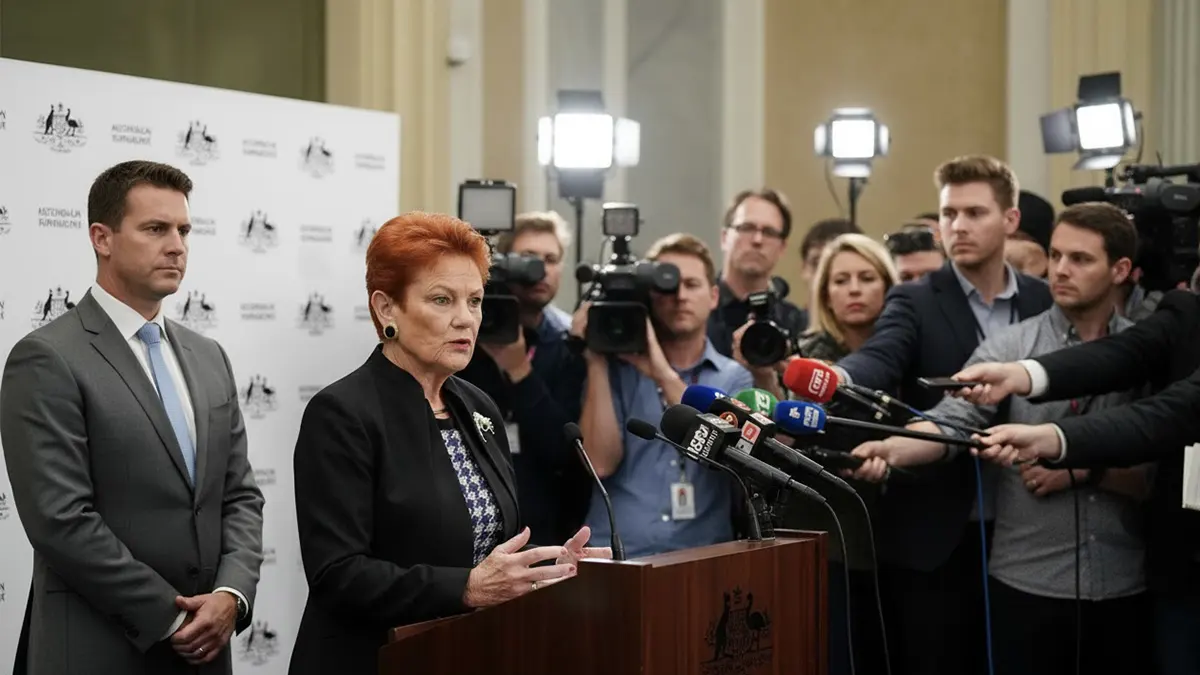
A new political clash has erupted over Australia’s superannuation system after Pauline Hanson accused the government of forcing through controversial tax changes in the Senate.
In a social media post on Tuesday night, Hanson said a new superannuation tax bill had been pushed through parliament following what she described as a “dirty deal” between Australian Labor Party and the Australian Greens.
“A new Super Tax Bill has been rammed through the Senate tonight under a dirty deal between Labor and the Greens to squash debate,” Hanson wrote on X.
The One Nation leader said her party opposed the changes and argued Australians should have greater freedom to control how their retirement savings are invested.
“One Nation’s position on superannuation is simple — it’s your money, you should be able to easily invest it how you like,” she said.
The proposed tax changes have been widely debated in federal politics because they target very large superannuation balances. The policy would apply additional taxes to super accounts holding more than $3 million, a threshold the government argues affects only a small number of high-wealth individuals.
Government figures have previously said the reform is designed to make the tax system fairer and ensure generous superannuation tax concessions are better targeted.
However, critics from conservative parties and some business groups have warned the change could weaken confidence in the long-term stability of the retirement savings system.
Hanson also said One Nation had pushed for revenue raised from the new tax to be returned to Australians through income tax cuts.
“We said any revenue raised by these new taxes should go towards income tax cuts for Australians,” she wrote.
“The Labor party and the Greens opposed it.”
The debate highlights the increasingly political role of superannuation policy in Australia’s economic discussions, with supporters arguing the changes address tax fairness while opponents say the government is interfering with private retirement savings.
The legislation passed the Senate after negotiations between Labor and the Greens, clearing a key parliamentary hurdle needed for the reform to move forward.
