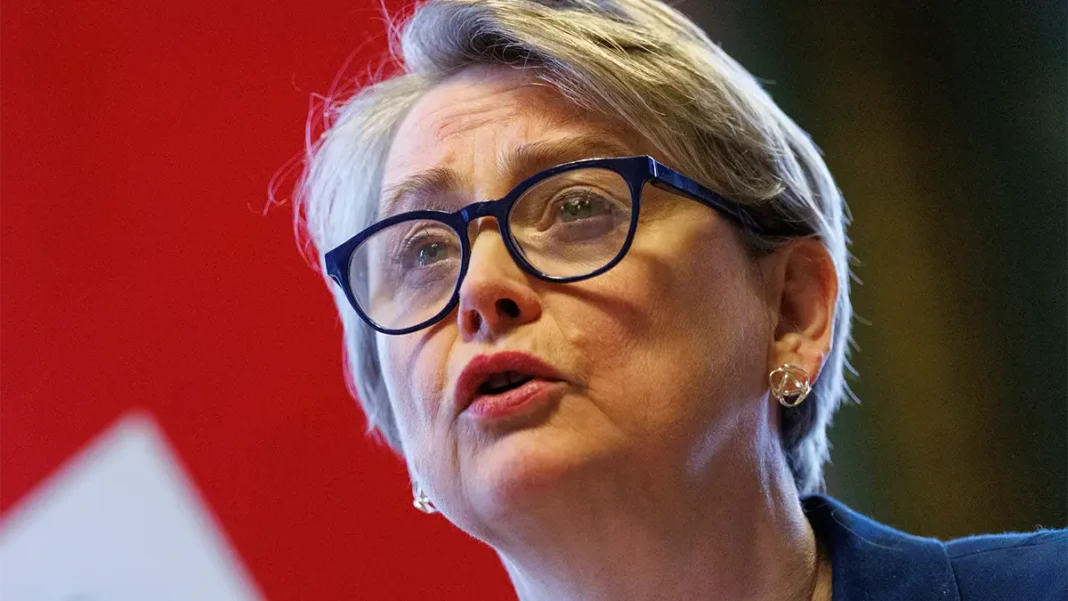


More than 40 countries participated in a virtual summit hosted by UK Foreign Secretary Yvette Cooper to discuss coordinated action in response to Iran’s closure of the Strait of Hormuz. According to Rowena Mason, Whitehall editor at The Guardian, the summit focused on “every possible diplomatic, economic and coordinated measure” to pressure Iran to reopen the vital shipping lane.
Cooper emphasized that Iran’s “reckless strikes” on international shipping and attempts to disrupt the global economy have affected nations worldwide, including petrol prices in the UK, jet fuel, fertiliser supplies to Africa, and gas to Asia. Whitehall sources reported discussions on involving more countries from the global south to increase economic pressure on Iran.
The UN is exploring whether a humanitarian shipping corridor can be established to ensure critical supplies, such as fertiliser, reach countries at risk of food shortages. Military discussions are also planned for next week to consider clearing sea mines and rescuing ships trapped in the strait.
The summit excluded the US, which initiated military action against Iran. Countries including the UK, France, Germany, Australia, and some Gulf nations discussed restoring maritime access. Australia, represented by Foreign Minister Penny Wong, emphasized the need for “safe passage” and called for an end to the strait being held hostage by Iran.
British Conservative leader Kemi Badenoch warned that the US must not abandon the situation it created, quoting former Secretary of State Colin Powell: “If you break it, you own it.” Meanwhile, Liberal Democrat leader Ed Davey urged Prime Minister Keir Starmer to take stronger measures to reopen the shipping route, highlighting its importance for global oil and gas supplies.
The World Bank has warned that a continued blockage could push nine million people into food insecurity and exacerbate rising oil and food prices worldwide. The crisis underscores the critical role of the Strait of Hormuz, which carries 10–25% of global oil and gas shipments, in international trade and energy security.
Source: Rowena Mason, The Guardian