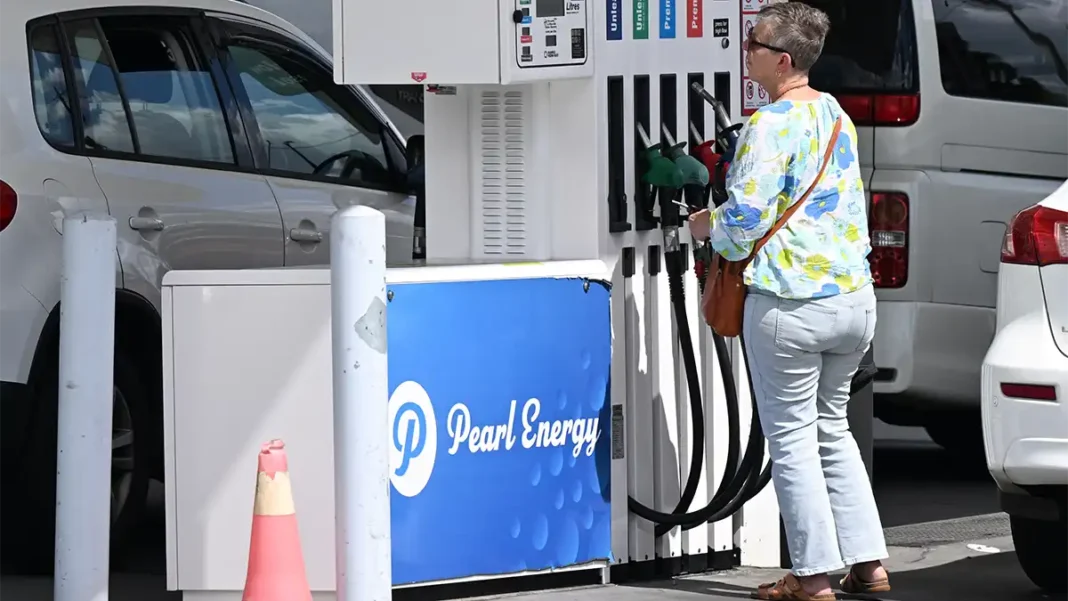


Australian drivers will benefit from an additional 5.7 cents per litre reduction in petrol prices following a federal-state deal to return GST revenue from fuel sales. Combined with the recent halving of the fuel excise, the total reduction amounts to 32 cents per litre, potentially saving nearly $23 for a 65-litre tank, according to Patrick Commins, Krishani Dhanji, and Ben Smee of The Guardian.
Prime Minister Anthony Albanese announced the deal, which aims to pass GST windfall gains back to motorists rather than allowing governments to retain the extra revenue. “We want this added relief to start showing up at petrol stations straight away,” Albanese said in a national address. Fuel excise cuts have already led to prices dropping by around 20 cents per litre, with NRMA data showing unleaded petrol averages below 240 cents per litre in all capitals.
The deal follows consumer complaints about excessive fuel surcharges imposed by businesses delivering to remote areas. The Australian Competition and Consumer Commission (ACCC) has issued legal notices to companies in South Australia, Western Australia, Queensland, and the Northern Territory to justify charges, particularly surcharges exceeding 70% for small businesses. ACCC Chair Gina Cass-Gottlieb warned that companies engaging in price gouging would face strong action.
State leaders agreed to the GST return plan, with Queensland previously hesitant but now joining the deal. Treasurer David Janetzki highlighted Queensland’s decision to forego windfalls from higher fuel prices, ensuring targeted cost-of-living relief for residents.
Albanese used his address to reassure Australians during the ongoing fuel crisis, worsened by the US-Israel war on Iran and the closure of the strait of Hormuz. He advised drivers to fill tanks as normal and, where possible, switch to public transport to preserve fuel reserves. Experts like former Treasury secretary Martin Parkinson warned that even if the conflict ends soon, restoring oil and gas trade through the strait of Hormuz will take considerable time, implying that fuel shortages could persist for months.
Source: Patrick Commins, Krishani Dhanji, Ben Smee, The Guardian