

As Australians face record fuel prices triggered by the Middle East conflict, Easter holiday plans are being dramatically reshaped. Families, retirees, and young professionals alike are discovering creative ways to celebrate the long weekend without draining their wallets.
Natalia Kozlov, a lawyer and mother-of-three from Coffs Harbour, initially planned a road trip to Sydney with her partner. “We booked this trip before the fuel surge, but the diesel costs now are staggering,” she explains. After comparing the $2,000 expected fuel expense against the $800 cancellation fee for accommodation, the couple decided to stay home.
Instead, they are exploring local bushwalks, beach visits, and community events. “It’s showing me how quickly small costs can impact daily life,” says Kozlov. “But it’s also an opportunity to enjoy our own backyard.”
Meanwhile, Melbourne aged care worker Claire Harvey is taking a different approach. She rented an electric vehicle (EV) to travel to Adelaide with her teenage daughter. “Our EV will cost less than $75 each way, compared to $183 if we drove our old car,” she says. Harvey emphasizes planning charging stops carefully to avoid “range anxiety” and maximize convenience.
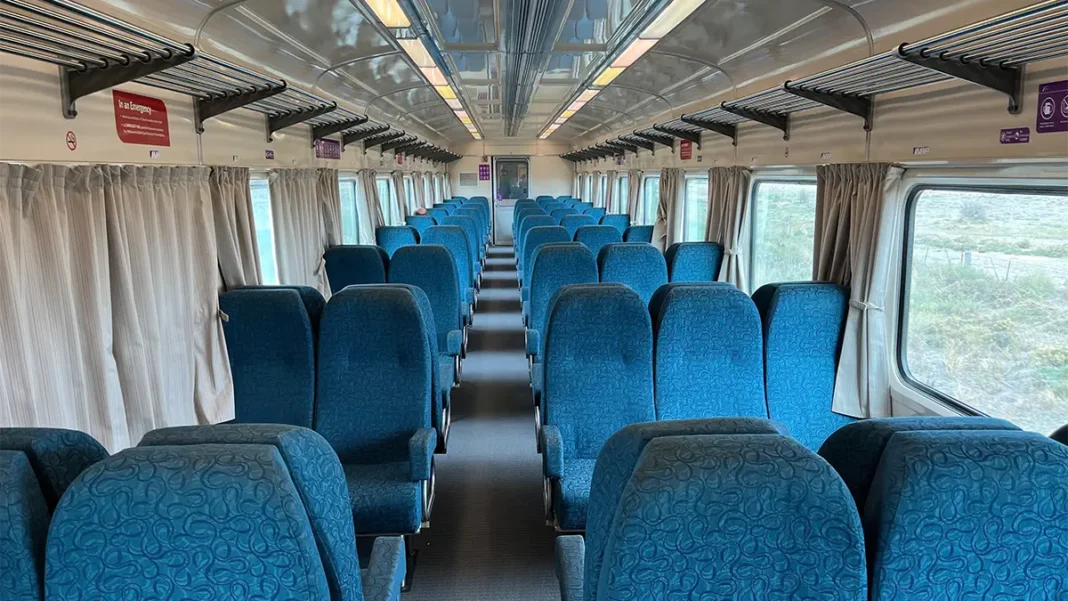
The shift isn’t limited to EVs. Public transport usage has surged as Australians seek alternatives to expensive petrol. Data from New South Wales’ TrainLink reveals a 15% increase in train patronage in March compared to February, while long-haul services connecting Sydney, Melbourne, and Brisbane jumped by 19–36%. Daniel Bowen of the Public Transport Users Association notes that trains and coaches offer practical options for short trips and regional travel, though accessibility varies.
For those unable or unwilling to travel, staying local has become an appealing alternative. Cathie Warburton, CEO of the Australian Library and Information Association, encourages residents to “be a tourist in your own community.” Free library events, local galleries, and council-run activities provide entertainment without the added cost of travel.
Lisa Petherick, 63, and her husband from Warrnambool, Victoria, had planned a five-month caravanning adventure but postponed it due to fuel prices. “We’re focusing on regional tourism nearby,” she says. “Spending locally not only saves money but also supports our community businesses.”
Economists suggest that while the government’s halving of fuel excise offers temporary relief, Australians are embracing sustainable alternatives that could have lasting impacts on travel habits. From EVs to regional tourism, the fuel crisis may permanently reshape how Australians spend their holidays.
Ultimately, the crisis is prompting a reconsideration of what makes a holiday enjoyable. Whether it’s discovering hidden local gems, riding the train along scenic routes, or embracing electric vehicles, Australians are learning to adapt creatively while protecting their wallets.