


Australian shares suffered a sharp sell-off on Wednesday, wiping more than $60 billion from the market as investors reacted to escalating conflict in the Middle East and the prospect of higher global energy prices driving inflation.
The benchmark S&P/ASX 200 fell 1.94 per cent to close at 8,901.2 points, marking one of the steepest single-day declines since market volatility triggered by global trade tensions last year.
Losses were broad-based across the market, with all 11 sectors finishing lower. Resource stocks led the decline as the materials sector — which includes many of Australia’s largest mining companies — faced heavy selling pressure.
Financial market participants said the sell-off reflected growing concern that the widening Middle East conflict could disrupt global energy supplies and trigger another surge in oil prices.
Paco Chow, a dealing manager at the trading platform Moomoo, said investors were beginning to price in the risk of a prolonged geopolitical shock.
“Markets are recognising the Iran conflict could be drawn out and more disruptive to the world economy than initially thought,” Chow said.
Energy shocks can have significant implications for inflation because rising oil prices increase transport, manufacturing and production costs across the global economy.
Analysts say that dynamic can quickly feed into consumer prices, forcing central banks to reconsider the path of interest rates.
The Reserve Bank of Australia is closely monitoring the situation as policymakers weigh the potential economic impact of higher energy costs.
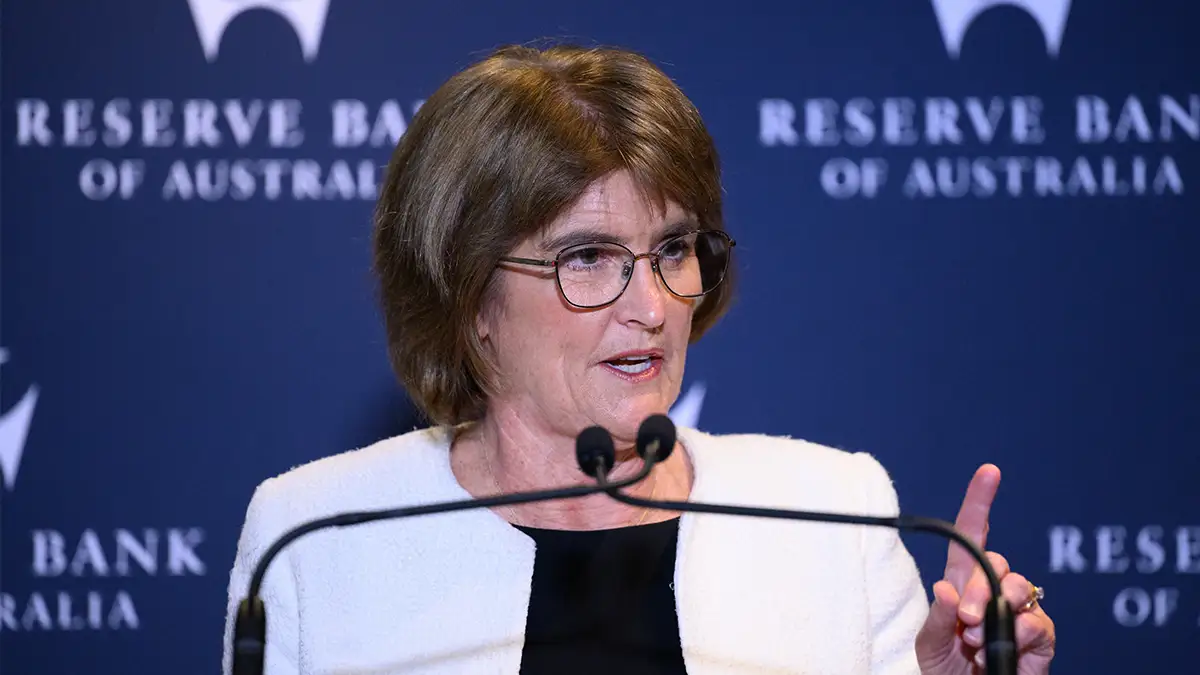
Speaking earlier this week, RBA governor Michele Bullock said the central bank was assessing how the conflict could affect inflation expectations and broader economic conditions.
“It’s too early to say what the impact will be … staff will take some time to make sense of what it could mean for inflation here,” Bullock said.
She added that policymakers remained ready to act if inflation risks intensified.
“Every meeting is live,” Bullock said, referring to the upcoming Reserve Bank board meeting scheduled for mid-March.
Economists say geopolitical shocks such as wars can trigger equity market declines when they coincide with inflation risks, unemployment changes or sudden global disruptions.
With oil markets already reacting to the conflict, investors are watching closely for further signs of supply disruptions that could push fuel costs higher and complicate the central bank’s efforts to bring inflation back within its target range.
