

Immigration and housing pressures dominated discussions at a conservative political gathering in Perth as senior Liberal Party figures used the event to sharpen criticism of Labor’s migration policy and attempt to reconnect with disaffected voters.
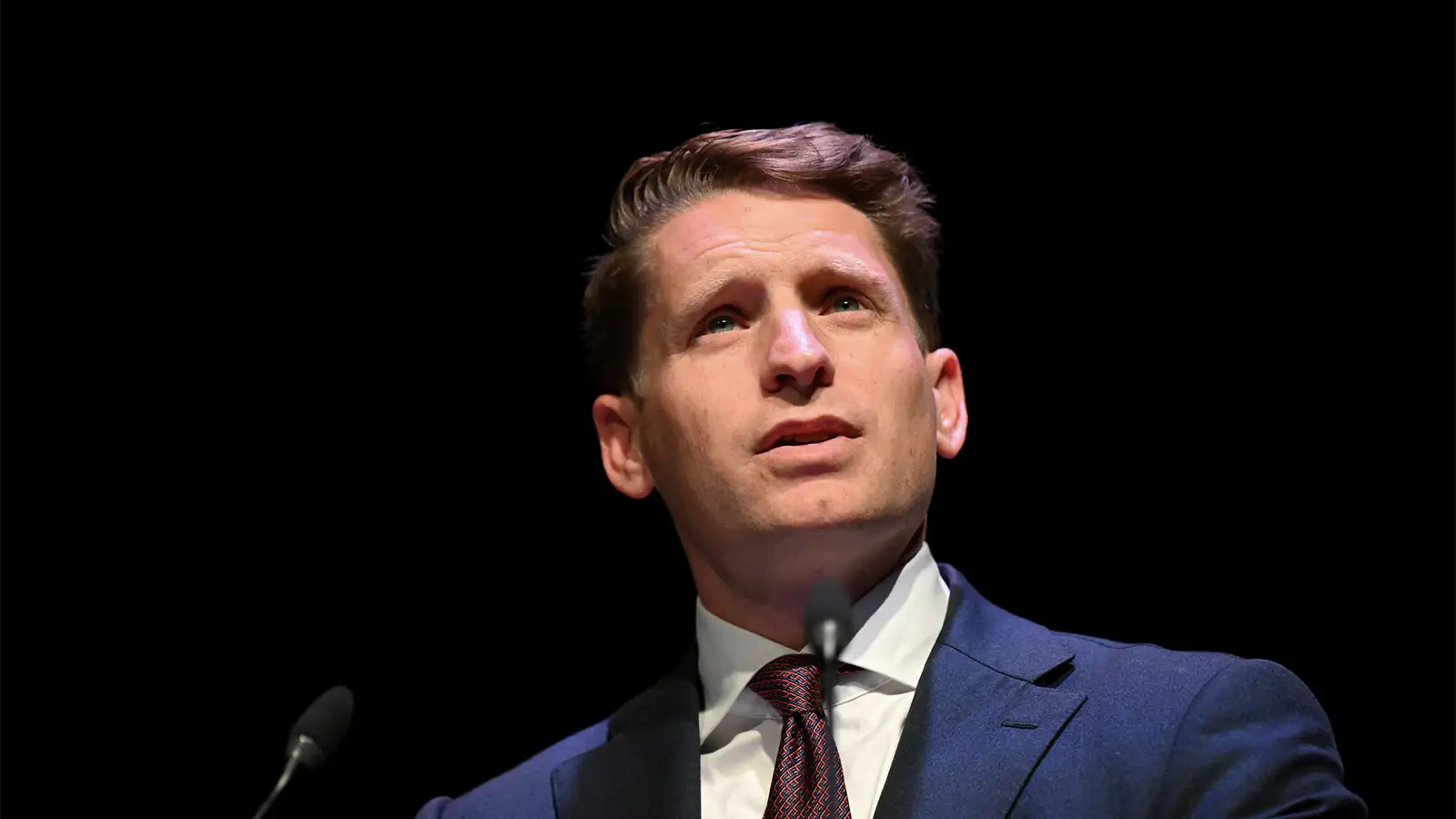
Federal Liberal MP Andrew Hastie told attendees at the Conservative Political Action Conference (CPAC) event in Western Australia that immigration levels had outpaced infrastructure and public services, linking population growth to cost-of-living pressures and housing shortages.
“Immigration numbers are too high, while the standards are too low,” Hastie said.
“Our infrastructure has not kept pace with population growth.”
The conference, held on Friday night under the banner “Reset the West,” drew about 240 attendees and featured senior Liberal figures including Western Australian Liberal leader Basil Zempilas, upper house leader Nick Goiran and CPAC Australia chair Warren Mundine.
The gathering comes at a difficult political moment for the Liberal Party, following poor results at recent state and federal elections and polling suggesting support for Pauline Hanson’s One Nation party has surged.
Recent polling indicates One Nation could be attracting between 20 and 25 per cent of the primary vote, raising concerns among Liberal strategists about losing conservative voters.
Despite that shift, One Nation representatives were not included among speakers at the Perth conference, leaving the stage largely dominated by Liberal politicians.
CPAC events in the United States are closely associated with populist conservative activism, including strong anti-immigration messaging and support for Donald Trump’s political movement.
However, the tone of the Perth conference appeared more restrained, with speakers focusing largely on housing affordability and economic pressures in Western Australia.
Hastie argued that rising migration levels were placing pressure on roads, hospitals and essential services and contributing to inflation.
He told the audience that Australians had lost faith in both major political parties, creating political space for minor parties and independents.
“We’re seeing the rise of One Nation, the teal independents and the Greens,” he said.
Housing affordability was a central theme of the event, with Western Australia experiencing one of the tightest property markets in the country.
Zempilas said the housing crisis was eroding public confidence in government and making it increasingly difficult for younger residents to enter the property market.
“A whole generation of West Australians is losing hope of ever owning a home,” he said.
He also described outer suburban voters as “the lost Australians,” arguing that many had abandoned traditional political parties.
“The Liberal party has to focus on these lost Australians. Our electoral success depends on it,” Zempilas said.
Academic observers say the link between migration and housing affordability remains contested.
Martin Drum, a political scientist at the University of Notre Dame Australia, said public frustration over housing costs had contributed to growing anti-immigration sentiment.
But he said labour shortages in key sectors, particularly construction, complicated the political narrative.
“Immigrants are being blamed for the housing shortage, but there is a shortage of workers to build those houses,” Drum said.
Economic modelling has also suggested that eliminating migration entirely for a decade would not reduce housing costs in the long term. Instead, property prices could end up about 2.3 per cent higher by the mid-2030s compared with current migration projections.