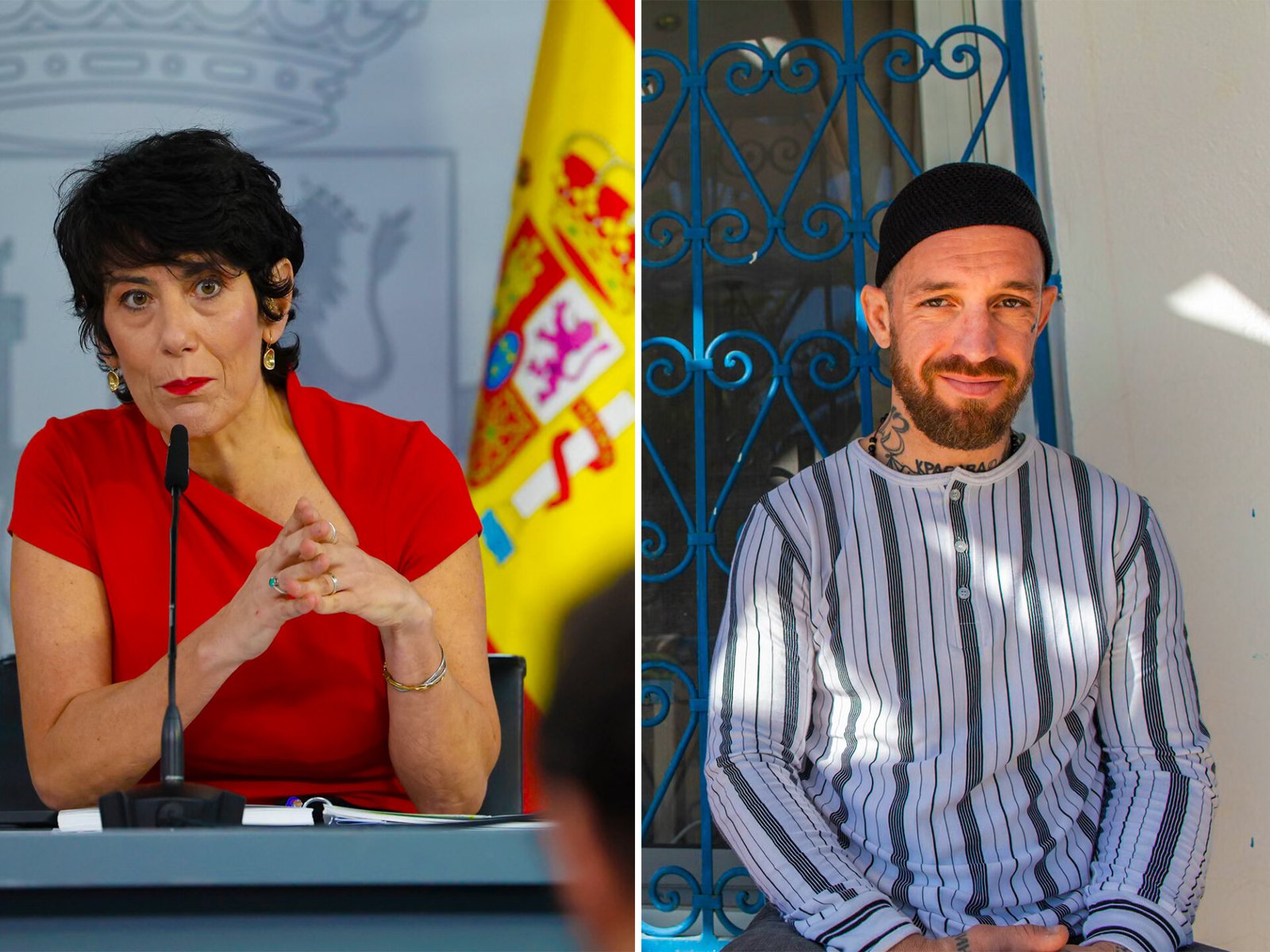
Spain has allowed a US extradition request involving American donor James “Fergie” Chambers to proceed through the country’s courts, according to reporting by the Guardian and Reuters.
Chambers, a US citizen currently held in Madrid, is wanted by US authorities over allegations including money laundering and alleged financial support connected to Hamas. The specific indictment remains sealed, and Chambers has not been convicted of a crime.
Spain moves case to judicial stage
Spain’s Council of Ministers decided on 22 September to allow the extradition request to continue to the judicial process. Spanish government minister Elma Saiz described the decision as “purely procedural”, with the courts now expected to examine the case before any final decision on extradition is made.
Reuters reported that a hearing date is expected to be set in the coming weeks. The Spanish government retains a role in the final decision after the court process.
Chambers’ legal team disputes allegations
Chambers’ lawyers dispute the US allegations and say his financial activity involved humanitarian and other projects. His legal team has argued that the extradition request is politically motivated, an interpretation also raised by Spain’s Sumar coalition partner.
Under Spanish law, an extradition request cannot proceed if it is found to be politically motivated.
Chambers was arrested in Ibiza on 10 July and is currently in pre-trial detention in Madrid. His lawyers have also sought his release on bail.
Dispute over US$7.5m transfer
The US case centres on allegations involving about US$7.5m transferred from a US bank account to Tunisia, where Chambers previously lived. His legal team and partner Stella Schnabel say the money was used in connection with Club Africain, a Tunisian football club, including debt and salary payments and development work.
The Guardian has previously reported that Chambers has also donated to humanitarian projects, including the Sameer Project in Gaza. His lawyers say those activities should be distinguished from the allegations made by US authorities.
Asylum application underway
Chambers has begun an asylum application in Spain. His lawyer Aitor Martínez told the Guardian that the application prevents Spain from extraditing him while the process remains unresolved.
The case has drawn political attention in Spain, including from members of Sumar and Podemos, while Chambers’ legal team continues to challenge the extradition request.
Sources: Reuters and the Guardian report supplied for this article.
Leave a Reply