


The viral case of Australian Hyrox competitor Joanna Wietrzyk has prompted renewed discussion about the pressure to push physical performance to extremes.
Wietrzyk continued competing at a Hyrox event in Beijing after experiencing bowel incontinence during the race. She was allowed to finish and win the event, and images from the competition later circulated widely online.
In a now-deleted Instagram post, Wietrzyk initially described the result in terms of determination and competition. Hyrox organisers also issued a statement that was later deleted, saying athletes are encouraged to push themselves to high levels.
After criticism over the incident and concerns about the use of shared equipment, Wietrzyk apologised and said she should have stepped off the track. Hyrox co-founder Moritz Fürste also apologised, saying the organisation had made a mistake by not responding immediately during the race. He said new rules and procedures would be introduced to prevent similar situations.
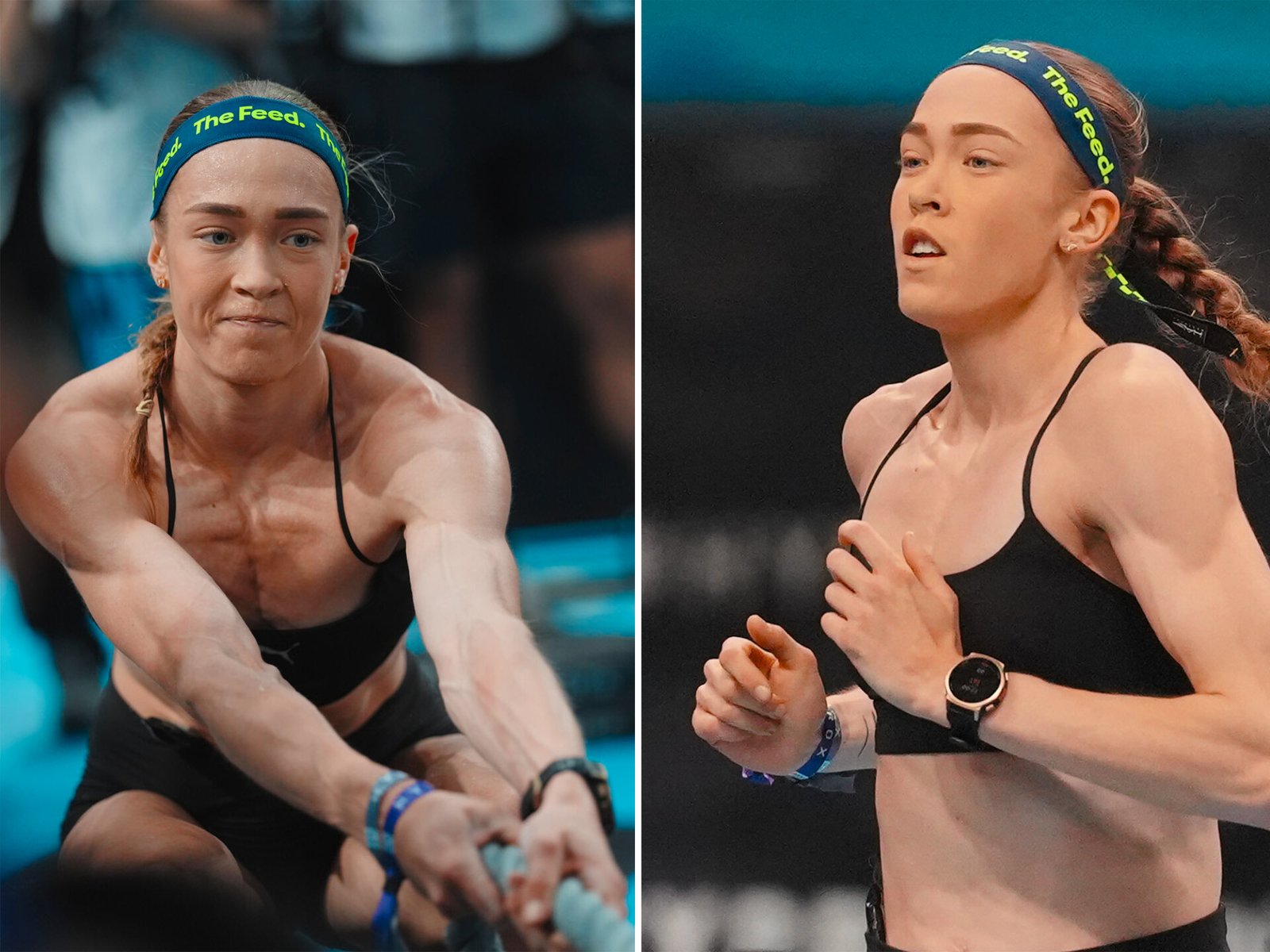
The episode has raised broader questions about the culture surrounding hybrid fitness competitions, which combine cardiovascular exercise with strength-based movements. Events including Hyrox, ATHX and the CrossFit Games have grown alongside a wider interest in performance-focused training.
Sport and exercise psychologist Harvey Smith said he has noticed greater attention to wellbeing among some athletes. He said people are increasingly considering whether extreme performance goals are compatible with long-term physical and mental health, while cautioning that competitive culture remains strong.
Harvard University paleoanthropologist Daniel Lieberman said extreme competition should not be confused with exercise undertaken primarily for health. He said research indicates that physical activity provides substantial health benefits, while the additional benefits of increasingly intense exercise can eventually level off.
Fitness coach Matteo Massaini, who has competed in Hyrox and running events, said challenging yourself can be positive but that extreme competition can also become harmful. He stressed that athletes have different goals and that personal achievements should not come at the expense of other people’s wellbeing.
Chloe White of Raw Inc Training said competitive events can give people performance goals and shift attention away from appearance, while also noting growing awareness of recovery, injury management and long-term participation.
Smith said athletes can pursue ambitious goals by focusing on sustainable training, realistic support and self-compassion rather than allowing race results or personal bests to define their sense of self-worth.
