
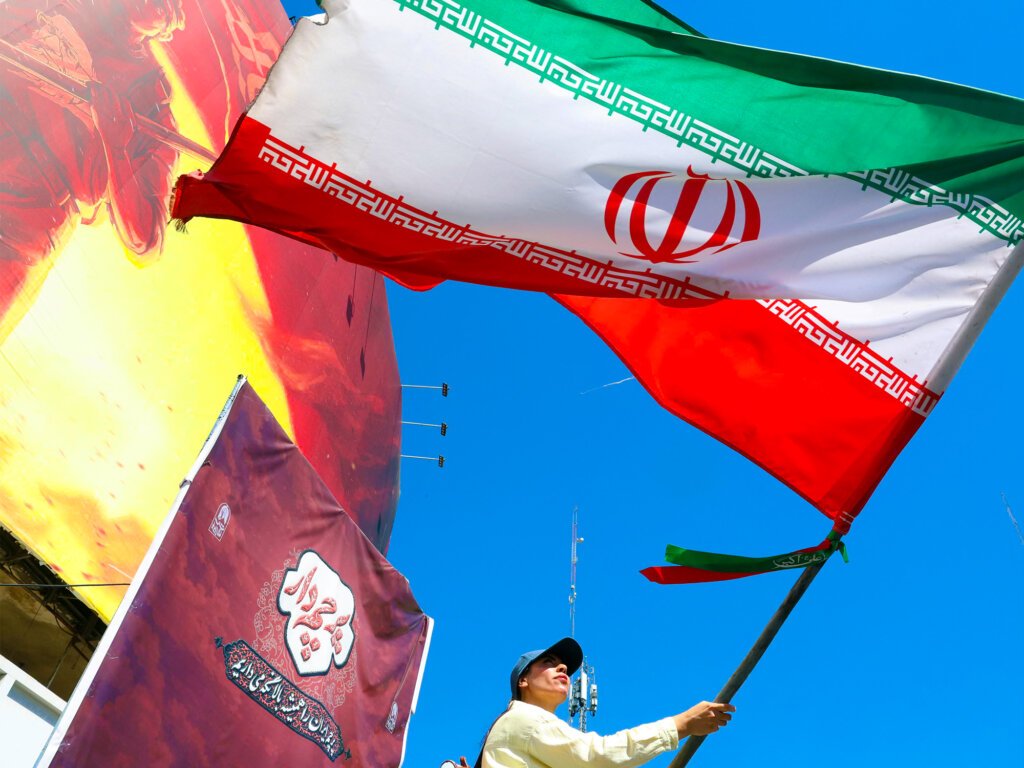
Hossein Hamdieh, a social researcher based in Tehran, says the ongoing war between Iran and the United States may be strengthening opposition to foreign intervention rather than encouraging Iranians to rise against their government.
Writing in an opinion article for The Guardian, Hamdieh said there is no reliable nationwide polling showing how Iranians currently view the war. He described his account as an observation based on conversations with people in Tehran and his work with Iranian startups and the country’s digital economy.
Hamdieh said that before the war, many people in the technology and business communities he worked with were critical of the Iranian state. He argued that some of those same circles are now expressing stronger hostility towards the United States because of the conflict.
He cited Iranian entrepreneur Majid Hosseini Nejad, founder of online travel company Alibaba, as one example. Hamdieh said Hosseini Nejad posted anti-US and anti-Israel comments on X on 2 September. The comments and other examples in the article are presented by Hamdieh as observations from within Iran, rather than as evidence of nationwide public opinion.
The researcher linked the change he describes to reports and images of civilian deaths and destruction during the war. The United Nations has separately reported that it found reasonable grounds to believe US strikes on a school and a sports facility in Iran in February involved violations of international humanitarian law, while also documenting serious alleged abuses by Iranian authorities. The UN findings remain subject to the relevant legal processes.
Hamdieh argues that civilian casualties can strengthen nationalist sentiment and reduce support for foreign military intervention. He said some Iranians may oppose the Islamic Republic while still opposing a US military campaign against their country.
The article comes as the seven-month conflict continues. Reuters reported on 22 September that Iran had offered to reopen the Strait of Hormuz within a week if the United States reduced military pressure and lifted its blockade, while Iranian officials attending the UN General Assembly said they were prepared to pursue diplomatic negotiations.
US President Donald Trump has repeatedly questioned whether Iranians will turn against their government. In his UN General Assembly speech on 22 September, he warned that he could “annihilate” Iran if no peace agreement is reached and called for economic isolation of the country.
Australia By Aussie has previously reported on Trump’s UN speech, including his comments on Iran, Ukraine and US foreign policy. Read the earlier Australia By Aussie report on Trump’s UN address.
Hamdieh concludes that, from his perspective in Tehran, the war is making an uprising against the Iranian state less likely rather than more likely. His conclusion is an individual assessment based on observations and conversations, not a nationwide measurement of Iranian public opinion.
Source: The Guardian