

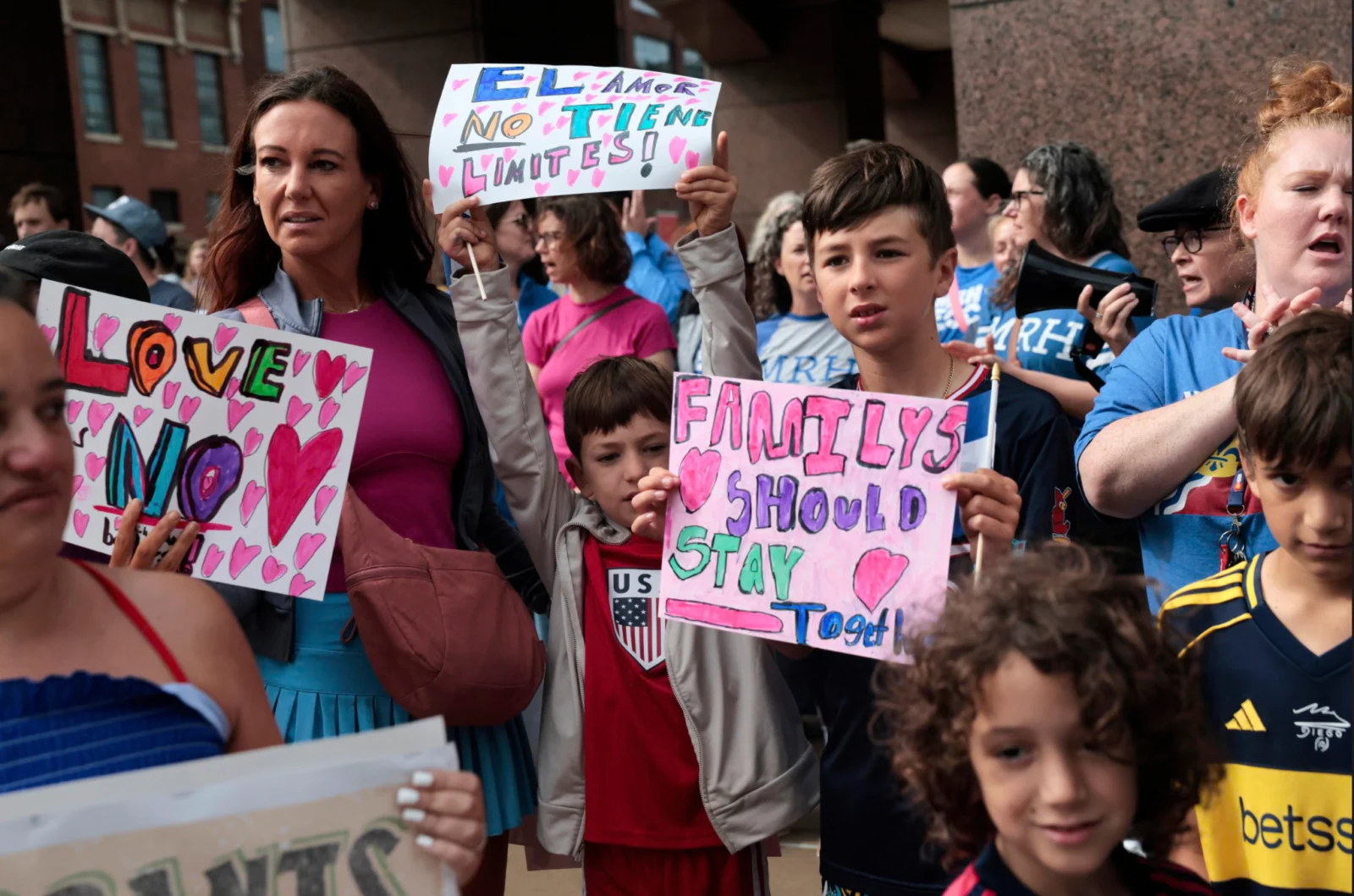
US immigration courts are accelerating asylum hearings and moving cases between judges with little notice, leaving some families with only days to prepare for proceedings that could determine whether they are allowed to remain in the country, according to reporting by The Guardian.
In one case described by Guardian journalist Alexandra Villarreal, an attorney representing a family of six in New Orleans was given four days to prepare for an asylum hearing. Lawyers estimated that preparing the case properly would require between 50 and 75 hours of dedicated work.
The family’s hearing had already been brought forward from July 2028, with the court describing it as a “priority case” that had to be completed by the end of November. In late October, the lawyer, Corinne Beth, was told that the case had been reassigned to a judge in Cleveland, Ohio, and that a virtual hearing would take place the following Monday.
A government lawyer seeking the family’s deportation proposed “pretermitting” the asylum application — a process that would deny the request without a full evidentiary hearing. Beth persuaded the judge to move the hearing, but said the revised date still left the family without enough time to prepare.
The report describes similar disruption for other migrants, including people without lawyers whose hearings have reportedly been moved forward from the following year to only a few weeks away. Cases have also been transferred to judges in distant states, complicating access to legal representation and the application of relevant court decisions.
“It doesn’t make any sense. There’s no rhyme or reason to it,” Kansas City lawyer Genevra Alberti said, describing repeated changes to hearing dates and judges.
The changes are unfolding alongside a sharp fall in asylum approvals. Data from the Transactional Records Access Clearinghouse (TRAC) shows that 94.1% of asylum cases decided by immigration judges in June 2026 were denied, while 5.5% were granted asylum. The remaining 0.4% received another form of relief. TRAC also reported that 279 immigration judges were fired or resigned during fiscal years 2025 and 2026, representing about 38% of the 735 judges employed at the end of fiscal 2024.
Attorneys told The Guardian that departures have left some courts struggling to respond to urgent calls and emails, while new judges have taken on cases amid pressure to process deportations more quickly. The administration has described some recruitment positions as “deportation judges”; the report says appointees have included former military lawyers, immigration enforcement attorneys and prosecutors.
Children who entered the US without a parent or legal guardian are also affected. Under a new arrangement described in the report, some are being assigned to a selected group of judges who hear cases remotely across state lines and time zones, while children still attend their local courts in person.
Lawyers say accelerated hearings can leave children with little time to prepare evidence, pursue legal pathways to remain in the country or work with attorneys. In some cases, children are being taken out of school to practise recounting traumatic experiences central to their asylum claims.
Hannah Sullivan, an attorney near St Louis, said lawyers were not being given enough time to prepare cases or build the evidence needed for hearings. The report also says changes to court procedures have made it harder to submit evidence, request more time or pause proceedings while applicants pursue other legal status options.
The Trump administration’s push to speed up immigration proceedings has been presented as an effort to prioritise deportations. Immigration attorneys interviewed by The Guardian argue that frequent rescheduling, judge transfers and limited preparation time are undermining asylum seekers’ ability to receive a fair hearing.
